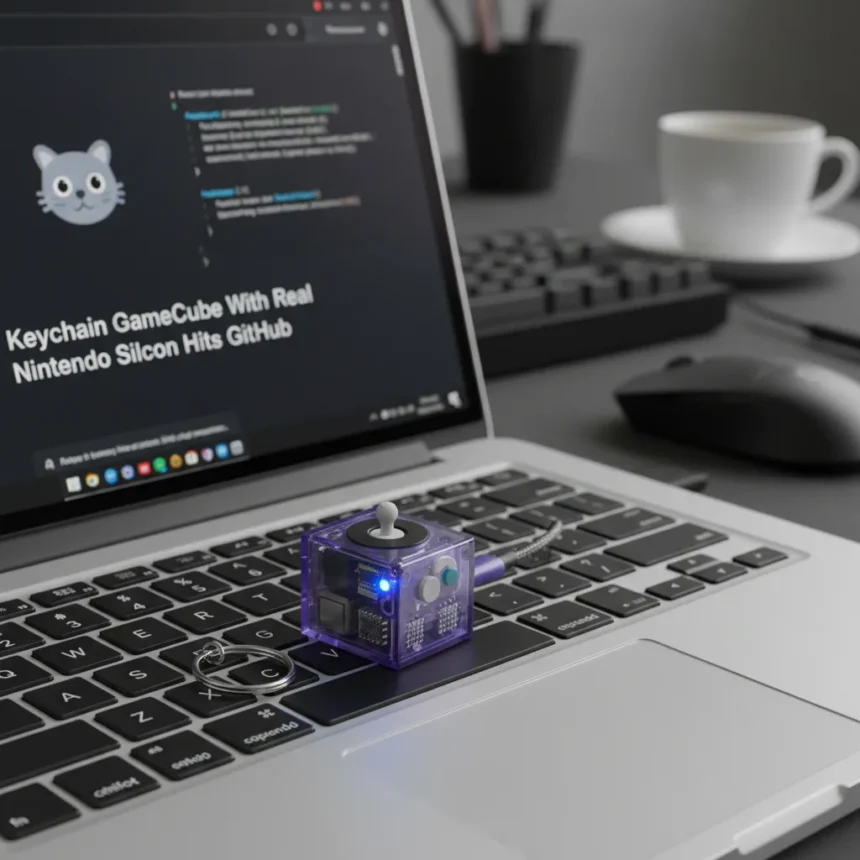
The keychain GameCube Nintendo silicon project proves that genuine retro hardware can be shrunk to pocket size without sacrificing function. A group of modders built a fully working GameCube console small enough to hang from a keychain, complete with a custom dock, and released the complete design files on GitHub for anyone to replicate.
Key Takeaways
- Modders created a functional keychain-sized GameCube using original Nintendo silicon from salvaged hardware.
- The project includes a custom dock for display and operation, expanding beyond decorative keychains.
- Design files and schematics are open-source on GitHub, enabling community replication.
- Differs from Nintendo’s official gacha keychains, which contain only replacement controller parts, not full consoles.
- Represents a significant leap in retro handheld modding complexity and miniaturization.
What Makes This Keychain GameCube Nintendo Silicon Project Different
The keychain GameCube Nintendo silicon build stands apart because it uses actual Nintendo silicon harvested from original GameCube hardware rather than emulation or modern recreations. This means the system runs authentic GameCube code without compatibility compromises. The modders didn’t just shrink the PCB—they engineered a functional dock that lets users connect the tiny console to displays, transforming it from novelty into a genuinely playable system. The design is completely open-sourced on GitHub, democratizing access to the build process and schematics.
Most GameCube keychains on the market are purely cosmetic. BitsyLabs sells mini game case keychains measuring just 1.15 inches by 1.65 inches—decorative replicas with no functional components. Etsy vendors offer handmade GameCube keychains that serve as collectibles but contain no electronics whatsoever. Nintendo’s own official gacha keychains, released in Japan in July 2024, take a different approach: they dispense genuine GameCube, N64, and SNES controller replacement parts like analog stick modules and rubber covers, manufactured by Bandai Namco from original molds. These are repair tools, not playable systems. The keychain GameCube Nintendo silicon project bridges the gap—it’s a fully functional console at keychain scale.
How the Keychain GameCube Nintendo Silicon Project Works
The build relies on salvaging genuine Nintendo silicon from decommissioned GameCube units, then integrating those components into a miniaturized form factor. The modders engineered a custom dock that handles power delivery, video output, and controller connectivity, allowing the shrunken system to function like a normal console when docked. The dock appears to provide HDMI connectivity based on the video demonstration, though exact specifications are available through the GitHub repository.


Building a keychain GameCube Nintendo silicon replica requires sourcing working GameCube components, which is neither cheap nor straightforward. Original GameCube hardware has become increasingly rare as the console aged, making parts salvage the primary supply chain. The open-source design democratizes the project—anyone with access to parts and basic electronics skills can attempt replication, but the barrier to entry remains high compared to purchasing a pre-made alternative.
Why Nintendo’s Gacha Keychains Matter in This Context
Nintendo’s official controller parts gacha keychains, available in Japanese vending machines since July 2024, reveal something unexpected: the company is willing to package genuine replacement components in collectible form. These capsules contain authentic GameCube analog stick modules and rubber covers made from the same molds used in original production, according to Bandai Namco. For retro enthusiasts, this solves a real problem—GameCube controllers are no longer manufactured, and replacement parts are scarce. The gacha approach lets Nintendo monetize nostalgia while providing functional value.

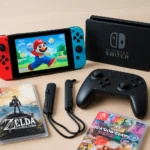
However, the keychain GameCube Nintendo silicon project goes further. While Nintendo’s gacha keychains help you repair existing hardware, the modded console lets you actually play GameCube games on a keychain-sized device with a dock. One represents planned obsolescence management; the other represents hobbyist engineering pushing miniaturization limits.
The Open-Source Advantage and Community Impact
By sharing the design on GitHub, the modders created a blueprint that the retro gaming community can iterate on and improve. Open-source hardware projects in the retro gaming space—like the Analogue Pocket and various FPGA-based consoles—have historically driven innovation faster than proprietary efforts. GitHub availability means future builders can modify the dock design, optimize power efficiency, or adapt the system for different display standards without starting from scratch.
This transparency also invites scrutiny. Potential builders can review the design for compatibility issues, identify which GameCube revisions work best, and document gotchas before investing time and salvaged hardware. The community aspect transforms a one-off mod into a reproducible project with documentation and peer review.
Is This a Threat to Nintendo?
Nintendo’s relationship with retro hardware mods remains complicated. The company aggressively protects intellectual property but has shown limited interest in manufacturing new GameCube hardware. The keychain GameCube Nintendo silicon project operates in a gray zone—it uses genuine Nintendo silicon, which technically requires salvaging discontinued hardware, but it doesn’t compete with any current Nintendo product. The company isn’t losing sales because GameCube consoles haven’t been manufactured since 2007.

What matters more is whether the project inspires community enthusiasm that keeps GameCube relevant decades after discontinuation. Nintendo’s own gacha keychains suggest the company recognizes this nostalgia as an asset worth monetizing, even if only through replacement parts. The modded console doesn’t cannibalize that market—it complements it by proving GameCube hardware remains viable and desirable.
Can You Actually Play Games on a Keychain GameCube?
Yes, the keychain GameCube Nintendo silicon system is fully functional when docked. The custom dock provides the connectivity needed to attach controllers and connect to a display. You’re not limited to a tiny built-in screen—the dock architecture allows standard GameCube gameplay on any compatible monitor or TV. This is a significant distinction from novelty keychains that are purely decorative.
Where Do You Get the Parts to Build One?
The design files are free on GitHub, but sourcing components requires salvaging working GameCube hardware. Original GameCube consoles and controllers have become collector’s items, making parts expensive and difficult to acquire. You’ll also need basic electronics assembly skills and specialized tools. This is not a casual weekend project—it’s an undertaking for experienced modders with access to parts and expertise.
How Does This Compare to Modern Retro Handheld Devices?
Modern retro handhelds like the Steam Deck or Nintendo Switch emulate classic games through software, whereas the keychain GameCube Nintendo silicon system runs authentic hardware. Emulation offers convenience and breadth—one device plays thousands of games across multiple systems. Authentic hardware like this keychain mod offers legitimacy and compatibility but requires finding and maintaining decades-old components. The keychain GameCube Nintendo silicon project appeals to purists who value running original silicon over the practical advantages of emulation.
The keychain GameCube Nintendo silicon project represents a watershed moment in retro hardware miniaturization. By combining genuine Nintendo components with open-source design sharing, the modders proved that retro authenticity and modern portability aren’t mutually exclusive. Whether you’re a collector, a repair enthusiast, or simply someone who believes GameCube deserves a second life, this project offers inspiration and a blueprint. The real victory isn’t the keychain itself—it’s the GitHub repository that turns a one-off engineering feat into a community-driven initiative.
Edited by the All Things Geek team.
Source: Tom's Hardware