


Lossless audio, Dolby Atmos music production, and NAD’s latest CD player are reshaping how listeners experience recorded sound at home. What Hi-Fi’s latest news digest pulls together four major stories defining the current hi-fi landscape, from Apple’s emerging perspective on audio quality to the technical craft behind immersive music mixes.
Key Takeaways
- Apple is taking a public stance on lossless audio quality and its role in modern playback.
- Dolby Atmos music production involves specialized techniques that differ significantly from stereo mixing.
- NAD has released a new CD player, signaling continued interest in physical media formats.
- Immersive audio formats are expanding across headphones, home systems, and automotive installations.
- Hi-fi journalism covers emerging technologies alongside classic formats like compact disc.
Apple’s Position on Lossless Audio Quality
Apple has articulated a clear stance on lossless audio, marking a shift in how the company discusses sound quality alongside its hardware ecosystem. The company’s perspective differs from the streaming-first mentality that dominated the past decade, suggesting renewed attention to audio fidelity among mainstream manufacturers. This move reflects broader industry momentum toward quality-conscious listening, even as compressed formats remain dominant in consumer adoption.
The timing of Apple’s lossless audio commentary aligns with growing consumer interest in higher-fidelity playback, particularly among users investing in premium headphones and home systems. Lossless formats preserve every bit of the original recording without data loss during compression, contrasting sharply with lossy codecs like MP3 and AAC that discard audio information to reduce file size. For listeners with trained ears and quality equipment, the difference is audible.
Inside Dolby Atmos Music Production
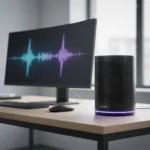
Dolby Atmos music production represents a fundamentally different creative process than traditional stereo mixing. Engineers and producers work in three-dimensional soundscapes, positioning individual instruments and vocal elements not just left-to-right but also above, below, and around the listener. This immersive approach demands specialized knowledge, equipment, and mixing techniques that extend far beyond conventional two-channel production.



Creating Dolby Atmos music requires producers to think spatially about every element in a mix. Rather than panning a vocal slightly left or right, a mixer might place it at a specific height and distance, creating a sense of depth and movement that stereo cannot achieve. The format supports up to 128 audio objects, each with its own spatial metadata, allowing unprecedented creative flexibility. However, this complexity means fewer studios have the expertise and infrastructure to deliver Atmos mixes at scale.
The adoption of Dolby Atmos music is accelerating across streaming platforms and consumer devices. Headphones increasingly support Atmos playback through head-tracking technology, while home theater systems with ceiling speakers can render the format’s full spatial potential. Automotive installations, including premium vehicles with sophisticated audio systems, are beginning to incorporate Atmos music playback, expanding the format’s reach beyond traditional home listening.
NAD’s Latest CD Player and the Vinyl Revival
NAD’s newest CD player signals the continuing relevance of physical media in an era dominated by streaming. The compact disc format, once declared obsolete, has experienced a genuine resurgence among audiophiles and casual listeners alike, driven by superior sound quality, tangible ownership, and the ritualistic appeal of physical playback. NAD’s commitment to CD technology reflects this market reality.
The vinyl revival has overshadowed CD sales in popular discourse, yet the compact disc remains a serious contender for listeners seeking lossless audio at reasonable prices. A quality CD player paired with a good turntable system offers flexibility—listeners can enjoy streaming convenience while maintaining access to their physical library. NAD’s engineering focus on digital playback quality positions the brand as a serious option for those prioritizing audio fidelity over convenience.
The Broader Shift Toward Immersive and Lossless Audio
The convergence of lossless audio quality, Dolby Atmos immersion, and renewed interest in physical media reflects a maturing hi-fi market. Consumers are no longer content with the lowest common denominator—compressed files on tiny speakers. Instead, a growing segment demands better sound, richer spatial information, and greater control over their listening experience. This shift benefits manufacturers like NAD, Apple, and Dolby, each staking a claim in the premium audio space.
Surround sound systems designed for home cinema have evolved to support music playback in immersive formats, blurring the line between movie soundtracks and music listening rooms. Premium receivers and speakers that once served only home theater enthusiasts now attract music lovers seeking Atmos music capability. This crossover creates opportunities for manufacturers to sell higher-end equipment to broader audiences.

What Does Lossless Audio Actually Mean for Listeners?
Lossless audio preserves every detail of the original recording without compression artifacts, offering audibly superior quality compared to lossy formats like MP3 and standard streaming bitrates. The difference is most noticeable on high-quality equipment with capable headphones or speakers. For casual listeners using earbuds or phone speakers, the improvement may be imperceptible, but serious audiophiles hear the distinction immediately.
How Is Dolby Atmos Music Different From Regular Stereo?
Dolby Atmos music adds height and depth dimensions to stereo mixes, creating a three-dimensional soundscape rather than a flat left-right field. Producers can place individual instruments at specific spatial coordinates, including above the listener’s head, producing an immersive effect that traditional stereo cannot replicate. The format requires compatible playback equipment, such as ceiling speakers in home systems or head-tracked headphones.
Why Are CD Players Still Relevant in 2025?
CD players remain relevant because they offer lossless audio quality, physical ownership, and no dependence on internet connectivity or subscription services. For audiophiles, a quality CD player represents a reliable, long-term investment in sound reproduction. NAD’s commitment to the format underscores that a meaningful market segment values these qualities over streaming convenience.
The hi-fi industry’s current momentum—driven by Apple’s lossless stance, Dolby Atmos music expansion, and NAD’s CD player release—signals that audio quality is no longer a niche concern. Mainstream manufacturers are investing in technologies and formats that appeal to listeners who care about how music sounds, not just what they’re listening to. For those willing to invest in better equipment and formats, the rewards are tangible and immediate.
Where to Buy
This article was written with AI assistance and editorially reviewed.
Source: What Hi-Fi?