





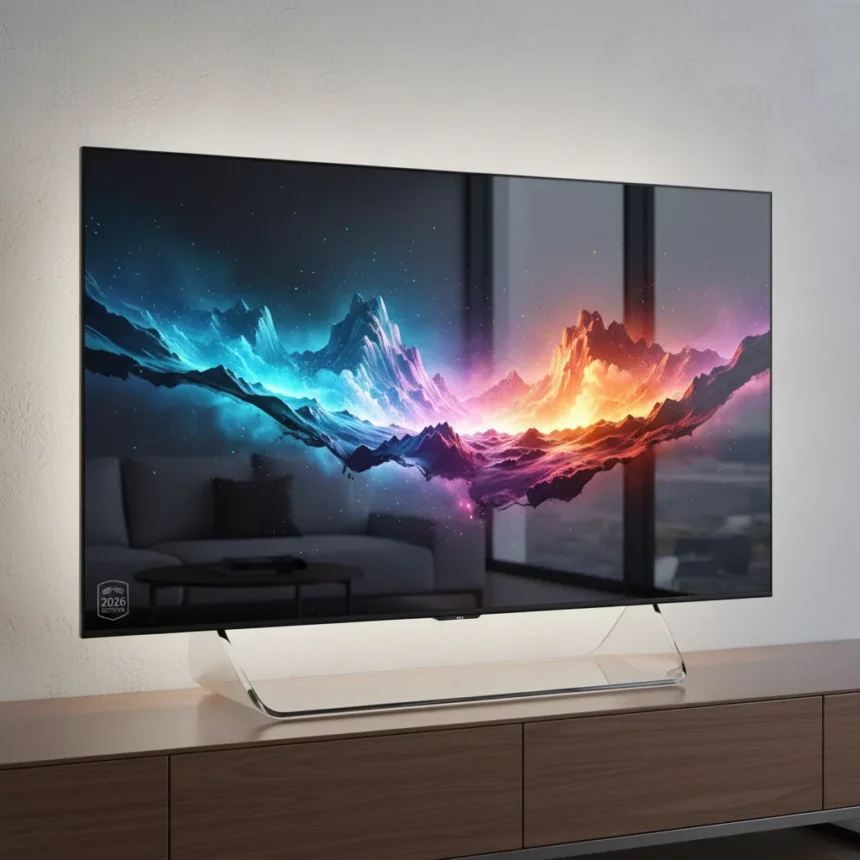
The LG C6 OLED TV is LG’s mid-range OLED television for 2026, succeeding the acclaimed C5 model with measurable improvements in brightness, color accuracy, and motion clarity. After two weeks of testing, it becomes clear that LG has tightened the gap between its mid-range and flagship OLED offerings—a shift that matters for buyers who want flagship performance without flagship pricing.
Key Takeaways
- LG C6 delivers higher peak HDR brightness than the C5, with noticeably brighter highlights and better picture pop
- Two versions available: standard C6 and C6H with advanced Primary RGB Tandem 2.0 panel for superior brightness and color
- Color accuracy improved over C5, with more authentic skin tones and dialed-back saturation for authenticity
- Motion clarity and fluidity enhanced; eliminates diagonal dithering that plagued the C5
- Glossy screen reflections remain a weakness in bright rooms; Samsung’s S90H now threatens with anti-glare mid-range option
Brightness That Actually Matters for Mid-Range OLED
The LG C6 OLED TV breaks the mid-range brightness ceiling that constrained its predecessor. Peak HDR brightness measured higher than the C5’s 1,180 nits in a 10% window (Filmmaker Mode), translating to visibly brighter highlights and more punch in peak moments. Watch a scene from Wicked and the difference becomes apparent—bright objects feel more luminous, less washed out. This is a solid brightness boost that closes distance to LG’s flagship G6, which reaches 2,471 nits but at a substantially higher price.
The improvement matters because mid-range OLED TVs historically sacrifice peak brightness to control costs. LG C6 OLED TV refuses that trade-off. Fullscreen brightness also improves, meaning sustained bright scenes no longer dim as aggressively as they did on the C5. For HDR content, where brightness conveys emotional impact, this is the upgrade that justifies the step up from last year’s model.
Color and Skin Tone Accuracy—The C6’s Real Win
Where the LG C6 OLED TV truly separates itself is color authenticity. LG deliberately dialed back saturation compared to the C5, prioritizing truth over vibrancy. Skin tones appear more lifelike—less orange, less plastic. In a direct side-by-side comparison, the C6’s authenticity really gave it the edge, especially in dialogue-heavy scenes where facial detail and natural tone matter. This is not a flashy improvement. It does not pop off a spec sheet. But it is the kind of refinement that separates a TV you enjoy watching from one you admire for the first five minutes.



The C5 was already excellent for color, so this is incremental. But incremental in the right direction. For streaming and broadcast content where color grading varies wildly, the C6’s more conservative approach prevents oversaturation from making everything look like a cartoon.
Motion Clarity and the Dithering Problem Solved
The LG C6 OLED TV eliminates a frustration that haunted the C5: diagonal dithering in high-refresh-rate gaming. In the 48-inch model tested, motion appears crisp and fluid above 60Hz, with no visible diagonal artifacts. Variable refresh rate (VRR) support works as expected, matching other OLED TVs in the lineup. For gamers, this means smoother motion in fast-paced titles without the visual noise that marred the C5’s gaming experience.



The motion improvements extend beyond gaming. Panning shots in films feel more natural. Sports broadcasts display cleaner motion. This is the kind of technical refinement that only matters when you notice it missing—and once you see dithering, you cannot unsee it.
The Reflections Problem Persists—And Now Has Company
The LG C6 OLED TV retains the glossy screen that defines LG’s OLED aesthetic. In bright rooms or with windows behind the viewing position, reflections hamper darker scenes. Black levels remain exceptional, but they dim when bright light bounces off the panel. This is not new—the C5 had the same issue. LG has not addressed it on the C6.
This weakness now matters more because Samsung introduced the S90H, a mid-range OLED with anti-glare coating that directly challenges the C6’s reflective screen. For buyers in bright living rooms, that Samsung option suddenly becomes more compelling. LG could have solved this problem. It chose not to. That is a strategic decision that will cost it sales.
Two Versions: Standard C6 or Premium C6H?
The LG C6 OLED TV comes in two flavors. The standard C6 uses the same OLED panel as the C5. The C6H upgrades to the Primary RGB Tandem 2.0 panel, which also powers the flagship G6, delivering higher brightness and improved color vibrancy. The C6H is available in larger sizes and costs more, but it bridges the performance gap between mid-range and flagship more aggressively.



For most buyers, the standard C6 offers excellent value. For those willing to spend more and prioritize brightness, the C6H is the smarter choice. LG’s decision to offer both lets buyers pick their own balance between price and performance.
How the LG C6 OLED TV Compares to the C5
The C5 was already a five-star television—vibrant, accurate, and competitively priced. The C6 builds on that foundation with a solid brightness boost, better color accuracy, and elimination of dithering. It is not a revolutionary leap. It is a measured upgrade that proves LG is still refining the mid-range OLED formula rather than resting on last year’s success.
The C4 (2024) set the baseline for LG’s OLED mid-range. The C5 improved on it. The C6 improves on the C5. This is incremental progress, which is exactly what a mature product line should deliver. Whether that progress justifies an upgrade depends on your C5’s age and your room’s brightness. If you own a C5, the C6 is nice but not urgent. If you are buying new, the C6 is the obvious choice.
Should You Buy the LG C6 OLED TV?
Yes, if you want a mid-range OLED with competitive brightness and color accuracy. The LG C6 OLED TV delivers measurable improvements over the C5 and undercuts the G6’s flagship pricing. The glossy screen is a real weakness in bright rooms, but for most viewing conditions, it disappears. The dual-version strategy (C6 and C6H) lets you choose your price-to-performance ratio.
The only reason to hesitate is Samsung’s S90H. If reflections plague your room, the anti-glare option might outweigh the LG C6’s brightness advantage. Otherwise, LG’s mid-range OLED remains the safer bet.
What is the difference between the LG C6 and C6H?
The C6H uses the advanced Primary RGB Tandem 2.0 panel (same as the flagship G6) for higher brightness and color vibrancy, while the standard C6 retains the C5’s panel. The C6H costs more and is available in larger sizes. Choose the C6H if brightness is your priority; the standard C6 if you want value.
Does the LG C6 OLED TV have anti-glare coating?
No. The LG C6 OLED TV has a glossy screen, which can reflect light in bright rooms. This is a known weakness compared to Samsung’s S90H, which offers anti-glare protection at the mid-range level. If reflections are a concern, test both TVs in your viewing environment before deciding.
How much brighter is the LG C6 OLED TV than the C5?
The C6 measured higher peak HDR brightness than the C5’s 1,180 nits (10% window, Filmmaker Mode), delivering noticeably brighter highlights and more picture pop. The exact improvement depends on content and room conditions, but the difference is visible in side-by-side testing, especially in bright scene moments.
The LG C6 OLED TV is a competent refinement of an already excellent formula. It improves brightness, color, and motion without breaking the mid-range price ceiling. The glossy screen remains a compromise, but for most buyers in typical rooms, it will fade into irrelevance once the picture takes over. LG has set the bar for 2026 mid-range OLEDs—now it is up to competitors to clear it.
Where to Buy
Edited by the All Things Geek team.
Source: TechRadar




