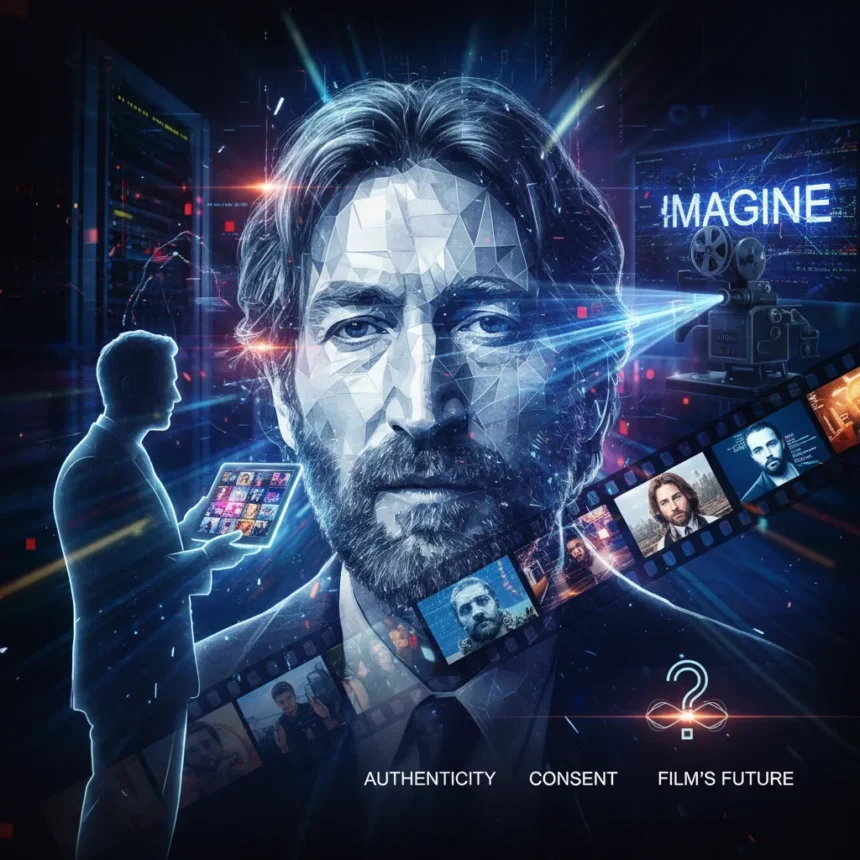
AI video generation has moved from speculative technology to practical filmmaking tool—and Steven Soderbergh’s upcoming John Lennon documentary may be the moment the industry reckons with what that means.
Key Takeaways
- Soderbergh is using AI-generated scenes in a John Lennon documentary, marking a major test for AI video in narrative filmmaking.
- The project raises ethical questions about recreating real people without consent and the authenticity of historical documentation.
- AI video generation tools are advancing rapidly, but creative and legal frameworks lag behind the technology.
- The documentary could either normalize AI video in film or trigger regulatory backlash depending on critical reception.
- Filmmakers face a choice: embrace AI video generation as a creative tool or resist it as a threat to craft and authenticity.
Why Soderbergh’s Documentary Matters Right Now
The timing is not accidental. AI video generation has reached a threshold where it can produce convincing footage of real people in plausible scenarios. Soderbergh, a director known for technical experimentation, is using this capability to reconstruct scenes from Lennon’s life where no footage exists. This is not a speculative future—it is happening now, in a major documentary project, and the film industry has no consensus on whether this is innovation or violation.
The stakes are higher than a single film. If Soderbergh’s project succeeds critically and commercially, it legitimizes AI video generation as a standard filmmaking tool. If it triggers backlash—from audiences, critics, or Lennon’s estate—it could accelerate calls for regulation and industry-wide restrictions on AI-generated imagery of real people.
The Authenticity Question at the Heart of AI Video Generation
Documentaries trade on a fundamental promise: what you are watching actually happened. When a filmmaker uses AI video generation to create scenes, that contract breaks. The audience cannot distinguish between historical footage and synthetic recreation without being told, and even then, the psychological effect differs. Watching an AI-generated John Lennon feels fundamentally different from watching archive footage, yet both appear on screen with equal visual authority.



This raises a question Soderbergh may not be able to answer: does disclosing that scenes are AI-generated satisfy the ethical obligation, or does it undermine the documentary form itself? Traditional documentaries that recreate historical moments use actors and sets—the audience knows these are reenactments. But AI video generation blurs that line. It does not look like a reenactment. It looks like footage. That illusion is both its power and its danger.
Consent, Rights, and the Legal Void Around AI Video Generation
John Lennon died in 1980 and cannot consent to being recreated in AI video. His estate holds certain rights to his image and likeness, but the legal framework for AI-generated representations of deceased people is murky. No court has yet ruled on whether creating a synthetic video of a real person—living or dead—constitutes infringement, misappropriation, or violation of right of publicity. Soderbergh’s project will likely force that question into the open.



This legal uncertainty extends to living people as well. AI video generation tools can now create convincing footage of anyone, anywhere, doing anything. The technology does not require consent and, in many jurisdictions, no legal mechanism exists to prevent it. Soderbergh’s use of AI video generation in a high-profile documentary could accelerate legislative responses, or it could establish a precedent that permits such use under the banner of artistic freedom and historical documentation.
What This Means for Filmmaking Beyond Documentaries
If AI video generation becomes accepted in documentary work, narrative filmmaking will follow quickly. Why hire actors for crowd scenes, period pieces, or dangerous stunts if AI can generate them? Why reconstruct a historical location if AI video generation can create it synthetically? The economic incentives are enormous, and they will push the technology forward regardless of ethical concerns.
This is where the real industry shift happens. Documentaries carry cultural authority and critical prestige. If they normalize AI video generation, every other genre follows. The question is not whether AI video generation will reshape filmmaking—it will. The question is whether that reshaping happens with intentional creative choices and ethical guardrails, or whether it happens because the technology is cheaper and faster than traditional methods.
Is AI video generation a tool or a threat to filmmaking?
It is both. AI video generation can solve genuine creative problems—reconstructing lost footage, visualizing historical moments, enabling filmmakers with limited budgets to achieve ambitious visions. But it also threatens to devalue craft, erode authenticity, and create a world where any image can be questioned as potentially synthetic. The documentary form depends on audience trust. Soderbergh’s project tests whether that trust survives AI video generation.


How will audiences react to AI-generated scenes in the Lennon documentary?
That depends on disclosure and execution. If Soderbergh clearly identifies which scenes are AI-generated and the results are visually and narratively compelling, audiences may accept them as a valid creative choice. If the AI video generation is seamless but undisclosed, or if the synthetic scenes feel uncanny or manipulative, backlash will be swift. Critical reception will likely determine whether this becomes a model other filmmakers follow or a cautionary tale.
What regulatory response might AI video generation trigger?
Expect calls for mandatory disclosure of AI-generated imagery, especially in documentaries and news content. Some jurisdictions may require consent for AI video generation of real people’s likenesses. The EU, known for aggressive tech regulation, could lead with new rules on synthetic media. But regulation always lags innovation, and by the time rules are written, AI video generation will have already reshaped the industry.
Soderbergh’s John Lennon documentary is not just a film—it is a test case for how society will handle AI video generation in contexts where authenticity and truth matter most. The outcome will influence filmmaking, regulation, and audience expectations for years to come. Whether that influence is positive or corrosive depends entirely on how the industry chooses to deploy this technology.
Edited by the All Things Geek team.
Source: Creativebloq