





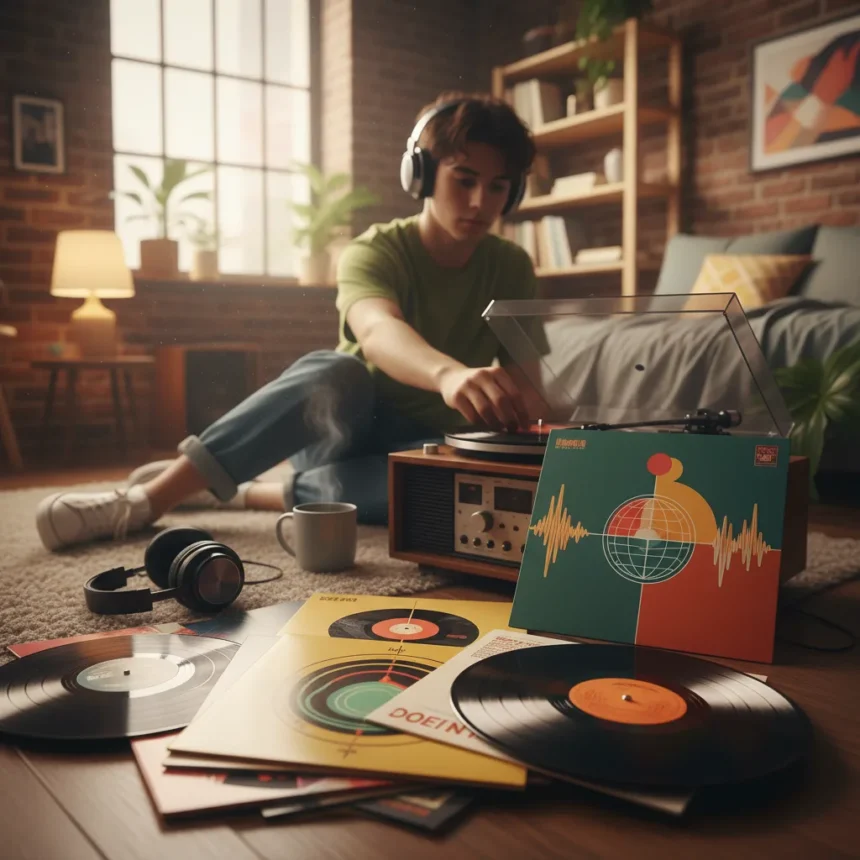
Digital fatigue music consumption is reshaping how younger listeners engage with audio, as Gen Z increasingly abandons streaming platforms in favor of tangible, analog formats. The shift reflects a broader exhaustion with algorithmic playlists, compressed audio quality, and the endless scroll of digital music libraries. Vinyl records, cassettes, and physical media are no longer niche collector items—they are becoming the default choice for a generation raised on Spotify and Apple Music.
Key Takeaways
- Gen Z is abandoning streaming services due to algorithm fatigue and desire for intentional listening
- Vinyl records and analog formats appeal to younger audiences seeking warmer, less compressed sound
- Digital fatigue reflects broader dissatisfaction with infinite choice and recommendation algorithms
- Physical media forces deliberate curation rather than passive consumption
- The trend challenges the assumption that digital streaming would dominate music forever
What Is Digital Fatigue in Music Consumption?
Digital fatigue music consumption refers to listener burnout from endless streaming options, algorithmic recommendations, and the pressure to discover new music constantly. Unlike previous generations that bought albums and replayed them intentionally, Gen Z faces paralysis from too many choices and exhaustion from algorithms that prioritize engagement over enjoyment. The result is a rejection of frictionless digital consumption in favor of formats that demand active participation.
This fatigue manifests in real listening behavior. Listeners report spending more time scrolling through playlists than actually listening to music. The algorithm becomes a barrier rather than a helper—suggesting songs based on engagement metrics rather than personal taste. Vinyl records, by contrast, require commitment: you select an album, place the needle, and listen without interruption. That friction is precisely the appeal.
Why Gen Z Is Choosing Vinyl Over Streaming
Vinyl offers three things streaming cannot: intentionality, sound quality, and tangibility. A vinyl record forces listeners to choose a complete album rather than cherry-pick tracks. This structure mirrors how music was consumed before playlists—as curated artistic statements, not buffets of individual songs. Gen Z, paradoxically digital natives, are gravitating toward this older model because it eliminates decision paralysis.
Sound quality matters too. Streaming services compress audio into lossy formats optimized for bandwidth, not fidelity. Vinyl’s analog warmth and subtle imperfections—the crackle and pop that critics once dismissed as flaws—now feel authentic compared to the clinical precision of digital files. The physicality of vinyl also creates a ritual: pulling the record from its sleeve, reading the liner notes, watching the needle drop. Streaming offers none of this sensory engagement.
Ownership is another factor. Streaming means licensing access; vinyl means owning the music. Gen Z, navigating precarious digital rights and platform shutdowns, sees physical media as a hedge against corporate control. If Spotify disappears, your vinyl collection remains.



The Broader Trend Beyond Vinyl
The vinyl resurgence is not isolated. Cassettes are also experiencing a revival, particularly among Gen Z listeners who never experienced them firsthand. TikTok and other platforms have normalized analog formats among younger audiences, transforming them from retro curiosities into symbols of authenticity and rebellion against algorithmic culture. This is not nostalgia—it is a conscious rejection of the streaming model itself.
Niche audiophile streaming services are also gaining traction as an alternative to mainstream platforms. These services offer lossless audio, no algorithmic recommendations, and a focus on curation over discovery. They appeal to listeners fatigued by Spotify’s endless playlists and algorithmic homogenization. The willingness to pay for these alternatives suggests that digital fatigue music consumption is driving real market change, not just aesthetic preference.
What This Means for the Streaming Industry
The shift challenges the assumption that streaming would be permanent. Spotify, Apple Music, and YouTube Music built their empires on convenience and infinite choice—precisely the features now driving listeners away. The industry assumed listeners wanted frictionless access to all music ever recorded. Instead, many listeners discovered that unlimited choice creates paralysis and dissatisfaction.
This does not mean streaming will disappear. But it suggests the era of unchallenged streaming dominance is ending. Platforms will need to address algorithmic fatigue by offering better curation, fewer recommendations, and options for intentional listening. Some listeners will always prefer streaming for its convenience. But the Gen Z exodus to vinyl and cassettes signals that a significant audience is willing to sacrifice convenience for authenticity and agency.


Is digital fatigue music consumption a permanent shift?
The trend appears durable rather than temporary. Gen Z’s preference for vinyl reflects deeper dissatisfaction with algorithmic culture and infinite choice, not just a passing aesthetic trend. As long as streaming platforms prioritize engagement metrics over listening experience, some listeners will continue seeking alternatives. However, streaming will likely coexist with vinyl and physical media rather than being fully replaced.
Can streaming services fix digital fatigue?
Yes, but it requires fundamental changes. Platforms could offer optional algorithm-free modes, curated playlists from human experts, and features that encourage deep listening rather than endless browsing. Some niche services already do this. Mainstream platforms would need to sacrifice engagement metrics and user time-on-app to make listening less addictive and more intentional—a difficult business decision.
Why does vinyl sound better than streaming?
Streaming services use lossy compression to reduce file size and bandwidth. Vinyl’s analog format preserves the full frequency range and subtle details that compression removes. Additionally, vinyl’s imperfections—surface noise, slight variations in playback—create a sense of warmth and presence that listeners increasingly prefer over the clinical precision of digital audio. This is not purely technical; it is also psychological and cultural.
The resurgence of vinyl and the rejection of algorithmic streaming represent a fundamental shift in how Gen Z approaches music. Digital fatigue music consumption is not a niche concern—it is reshaping the industry and forcing platforms to reckon with the unintended consequences of unlimited choice. For listeners exhausted by algorithms and endless scrolling, vinyl’s simple ritual of selecting an album and listening from start to finish feels like freedom.
Where to Buy
Crosley Tribute Radio: | Crosley C65:
Edited by the All Things Geek team.
Source: Tom's Guide


