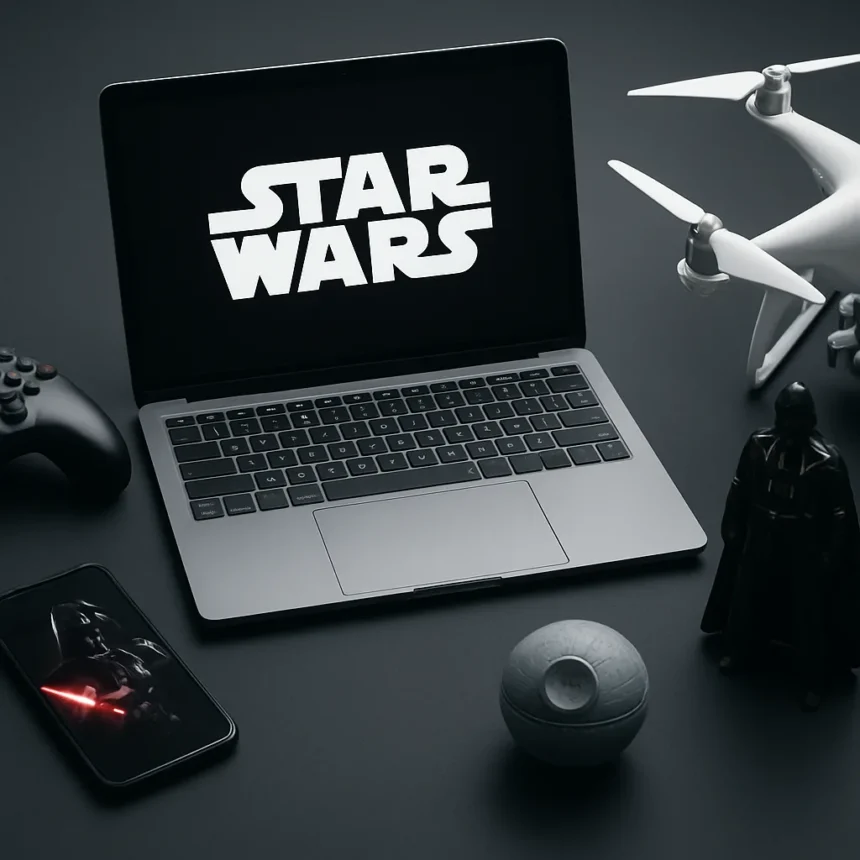
Star Wars technology creativity products represent a fundamental shift in how entertainment franchises operate. The saga is no longer confined to films and shows—it is becoming a fully integrated ecosystem where storytelling, technological innovation, and physical merchandise exist as a single, inseparable experience.
Key Takeaways
- Star Wars is merging entertainment content, technology platforms, and consumer products into one unified brand experience.
- The franchise blurs boundaries between watching, interacting, and purchasing within the same ecosystem.
- Technology enables deeper engagement by connecting storytelling to physical products and digital interactions.
- This integrated approach allows Disney to deepen fan investment across multiple touchpoints simultaneously.
- The strategy represents a broader industry trend toward experiential, multi-platform entertainment ecosystems.
How Star Wars Is Redefining Entertainment Integration
Entertainment franchises traditionally operate in silos: films exist separately from merchandise, which exist separately from theme park experiences. Star Wars is dismantling those walls. The franchise now treats technology, creative storytelling, and physical products as inseparable components of a single narrative universe. This is not simply cross-promotion—it is architectural redesign of how fans engage with the brand.
The integration runs deeper than marketing coordination. When a Star Wars show introduces a character or technology, that element does not remain confined to the screen. It flows immediately into merchandise lines, interactive digital experiences, and ecosystem-wide storytelling. Fans do not encounter Star Wars content and then separately encounter Star Wars products; they experience them as extensions of the same creative vision. This seamlessness is intentional and strategic.
Technology as the Bridge Between Story and Commerce
Digital platforms and interactive technology serve as the connective tissue binding Star Wars storytelling to consumer engagement. Rather than technology existing as a separate layer, it becomes the medium through which fans deepen their relationship with the franchise. Apps, interactive experiences, and digital tools transform passive viewers into active participants who can explore the universe in ways that naturally lead to further investment—whether that investment is emotional, financial, or both.



This approach differs fundamentally from earlier franchise models. Previous generations of entertainment properties treated merchandise as an afterthought—something created after a film or show proved successful. Star Wars now designs merchandise and digital experiences as part of the creative vision from the outset. Technology enables this simultaneity by allowing creators to develop stories, interactive elements, and physical products in parallel, ensuring they reinforce rather than compete with one another.
Why This Strategy Works for Audience Retention
The blending of Star Wars technology creativity products creates multiple entry points and engagement loops. A viewer might start with a streaming series, then engage with an interactive digital experience, then purchase a collectible that deepens their understanding of the story. Each touchpoint reinforces the others, creating a gravitational pull that keeps fans invested across the entire ecosystem.



This model also addresses a core challenge in modern entertainment: attention fragmentation. By making the franchise experience continuous and interconnected, Star Wars reduces the friction between consuming content and engaging further. Fans do not need to actively seek out related products or experiences—they encounter them naturally as extensions of the story they are already following. The technology layer makes this feel organic rather than commercial.
The Broader Industry Implications
Star Wars is not inventing this approach in isolation. The franchise is responding to and accelerating a broader industry shift toward integrated entertainment ecosystems. As streaming platforms mature and audiences expect deeper engagement, franchises that can smoothly weave storytelling, technology, and commerce will dominate. Those that maintain traditional silos risk feeling fragmented and outdated.
The challenge for competitors is execution. Creating a truly integrated experience requires coordination across creative, technical, and commercial teams—a coordination that most entertainment companies struggle to achieve. Star Wars has the resources and institutional support to pull it off, but the model itself is replicable. Expect other major franchises to move toward similar integration in coming years.
What Does This Mean for Fans?
For dedicated Star Wars fans, this integration deepens immersion. The universe feels more cohesive when stories, interactive experiences, and physical artifacts all reinforce the same themes and world-building. For casual viewers, the approach risks feeling overwhelming—the constant pull toward merchandise and digital engagement might feel less like invitation and more like obligation.



The franchise walks a fine line between deepening engagement and pushing too hard. Success depends on maintaining creative quality across all touchpoints. If the story is compelling and the interactive experiences are genuinely valuable, fans will welcome the integration. If either falters, the interconnectedness becomes a liability rather than an asset.
Is Star Wars technology creativity products a new concept?
No. Franchises have integrated storytelling and merchandise for decades. What is new is the degree of seamlessness and the central role of technology in creating that seamlessness. Digital platforms and interactive tools enable a level of integration that was not possible in earlier eras.
Can other franchises replicate this model?
Yes, but it requires significant investment and organizational alignment. The model works best for franchises with existing fan bases, substantial creative resources, and the ability to coordinate across multiple business units. Smaller franchises or those with less institutional support will struggle to achieve the same level of integration.
Does this approach prioritize profit over storytelling?
Not necessarily. The most successful integrated experiences treat commerce as a natural extension of storytelling rather than the primary goal. When fans feel that products and experiences enhance the narrative rather than interrupt it, the commercial element becomes invisible. The risk emerges when profit motives override creative judgment.
Star Wars is demonstrating that entertainment franchises no longer exist as discrete products—they function as ecosystems. By weaving technology, creativity, and commerce into a single experience, the franchise creates multiple pathways for engagement and investment. Whether this model becomes industry standard depends on whether other franchises can execute it with the same level of creative integrity and technical sophistication.
Edited by the All Things Geek team.
Source: TechRadar