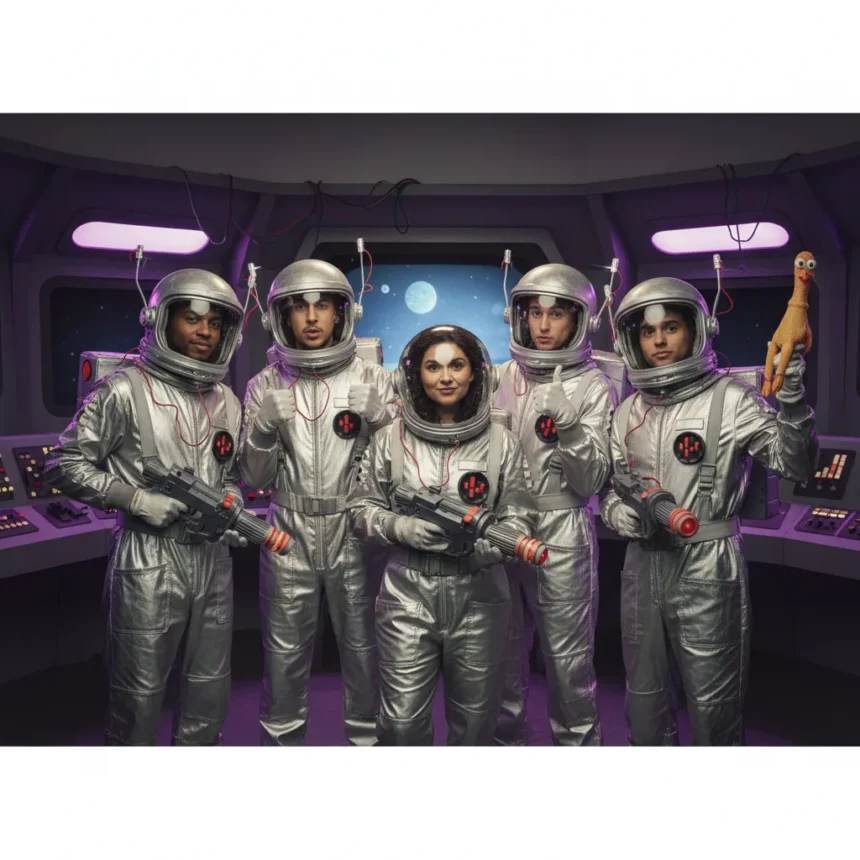
HBO’s new Big Bang Theory spinoff sci-fi series appears deliberately rough around the edges—and that might be exactly the point. The network is banking on an unusual bet: that audiences will embrace a show that seems fully aware of its own absurdity rather than pretending to be prestige television.
Key Takeaways
- HBO is expanding The Big Bang Theory franchise into a new sci-fi spinoff with intentionally campy aesthetic.
- The show’s self-aware approach to its own tone signals a departure from typical prestige drama expectations.
- The strategy suggests HBO is willing to experiment with genre tone rather than chase critical acclaim.
- Self-aware storytelling can succeed when executed with genuine commitment rather than irony alone.
- This represents a calculated risk in a crowded streaming landscape dominated by serious sci-fi.
Why HBO Is Banking on Self-Aware Sci-Fi
The instinct to polish everything to prestige-television standards has dominated streaming for years. Every sci-fi show must look expensive, every drama must feel weighty, every comedy must aim for sophistication. HBO’s Big Bang Theory spinoff sci-fi approach breaks that mold deliberately. Instead of hiding its pulpy DNA, the show leans into it—acknowledging through its visual language and tone that the premise itself is inherently ridiculous.
This is not incompetence masquerading as intention. There is a meaningful difference between a show that looks bad because it failed to execute and one that looks deliberately campy because that serves the story. The former is a liability. The latter is a creative choice. When a sci-fi premise is built on absurdist humor and character-driven chaos, forcing it into a glossy, serious aesthetic would betray the material itself.
The Big Bang Theory spinoff sci-fi gamble in a crowded market
The streaming wars have conditioned audiences to expect sci-fi to arrive in one of two flavors: either grimdark and expensive (think Dune or The Expanse) or cozy and intimate (Severance, for example). A show that openly admits it is ridiculous occupies strange territory. Yet The Big Bang Theory itself proved that audiences will watch a show about nerds being weird if the characters are likable and the humor lands. The spinoff is betting that the same principle applies to sci-fi—that tone and character matter more than production design.



Compare this to prestige sci-fi that takes itself too seriously and collapses under the weight of its own mythology (looking at you, Lost). A show that knows what it is and commits to that vision without apology often performs better with audiences than one that pretends to depth it does not possess. The Big Bang Theory spinoff sci-fi series seems to understand this instinctively.
Self-awareness as a storytelling tool, not a crutch
The danger with self-aware television is that winking at the audience can become lazy. If a show is bad and simply acknowledges that it is bad, the acknowledgment does not fix the badness—it just adds smugness. But self-awareness becomes a genuine tool when it is paired with actual craft: solid writing, committed performances, and a clear reason the characters and story matter.



HBO’s Big Bang Theory spinoff sci-fi show appears to understand this distinction. The visual roughness is not an excuse for poor storytelling; it is a deliberate aesthetic choice that signals to viewers what kind of experience they are signing up for. You are not watching a show trying to be The Rings of Power. You are watching a show that knows it is weird and funny and is inviting you to enjoy that weirdness without shame.
Is HBO’s Big Bang Theory spinoff sci-fi worth watching?
If you enjoyed The Big Bang Theory’s humor and character dynamics, the spinoff’s willingness to embrace camp rather than fight it suggests a show that knows its audience. The sci-fi premise gives room for the kind of absurdist jokes and nerd-culture references that made the original work. The visual aesthetic—deliberately imperfect, self-aware about its own ridiculousness—signals that the creators are not trying to convince you this is something it is not.
What makes a sci-fi show work when it leans into camp?
Camp works in sci-fi when the show has genuine affection for its premise and characters. A show that is campy and also cynical about its own material feels hollow. But a show that is campy and earnest—that loves its weird characters and absurd situations—creates something audiences want to watch. The Big Bang Theory spinoff sci-fi series appears to fall into the latter category, suggesting HBO is banking on sincerity rather than irony.
Why now for a Big Bang Theory spinoff?
The original series ended in 2019, yet HBO is expanding the universe now. This timing suggests the network believes there is still appetite for this corner of pop culture. Streaming has fractured audiences into smaller, more loyal niches—which actually favors a show like this. You do not need 20 million viewers to succeed anymore. You need a few million deeply engaged fans who will watch, talk about it, and keep coming back. The Big Bang Theory spinoff sci-fi show is built for exactly that audience.



The real test is not whether critics will praise the show’s aesthetics or call it prestige television. The test is whether audiences will connect with the characters and story enough to overlook—or even celebrate—the deliberately rough visual presentation. HBO seems confident the answer is yes, and that confidence itself is worth watching.
Where to Buy
Amazon Fire TV Stick 4K Max 2023 | Google Chromecast with Google TV
Edited by the All Things Geek team.
Source: T3