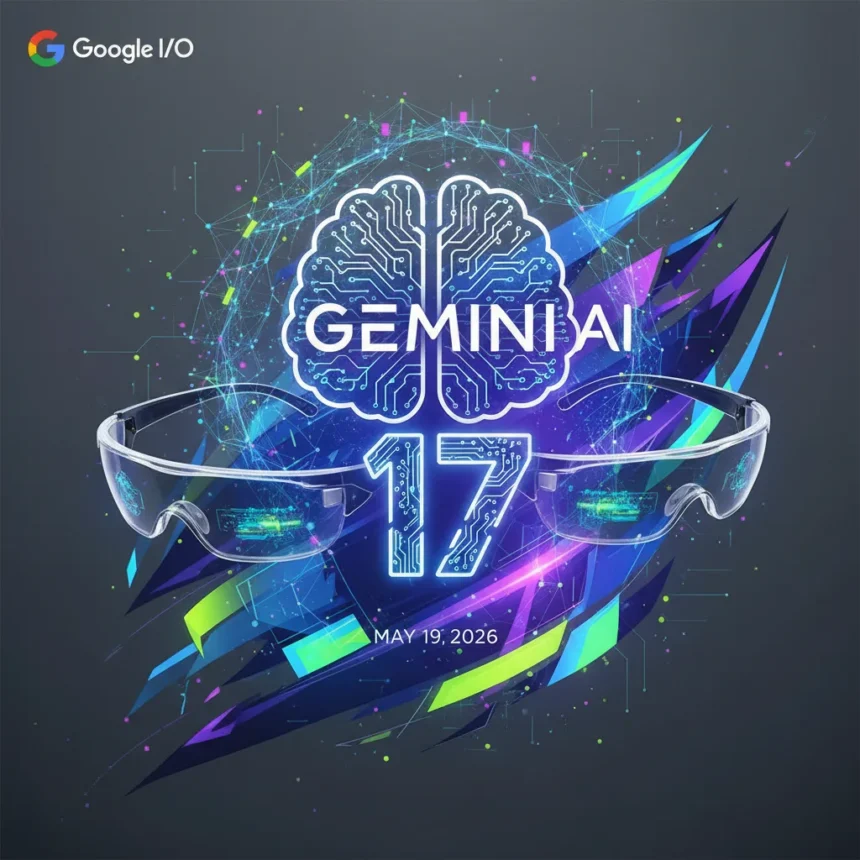
Google I/O 2026 is happening on May 19, and the company is expected to reveal three major pillars: Android 17, Android XR glasses, and significant Gemini AI advancements. This is the moment Google’s ecosystem takes its next leap forward, and the stakes are high.
Key Takeaways
- Google I/O 2026 takes place on May 19, 2026, with live coverage of all announcements.
- Android 17 represents the next evolution of Google’s mobile operating system.
- Android XR glasses mark Google’s entry into spatial computing hardware.
- Gemini AI is expected to deepen integration across Android and Google’s broader ecosystem.
- Android Central is tracking all announcements and updates in real time.
Why Google I/O 2026 Matters Right Now
Google I/O 2026 arrives at a critical inflection point for Android and artificial intelligence. The smartphone market has matured—incremental processor gains no longer drive upgrades. What does? Smarter software, spatial computing, and AI that actually changes how you work. Google is betting that Android 17, paired with XR hardware and Gemini AI, will convince users that the next chapter of computing is worth switching to.
This event is not just about new features. It is about repositioning Android as the platform for AI-first computing. Every major tech company—Apple, Microsoft, Meta—is racing to embed AI into hardware and software. Google, with its decades of machine learning expertise, cannot afford to lag. The May 19 announcements will reveal how seriously Google takes this competition.
Android 17: The Next Generation of Mobile
Android 17 is expected to bring substantial changes to how Android devices function and feel. While specific features have not been publicly detailed in advance, the focus is likely to be on AI-driven personalization, improved system efficiency, and deeper integration with Gemini AI. Android Central is following everything that will be announced at the event.



Previous Android releases have focused on privacy, security, and performance. Android 17 is expected to shift emphasis toward making the operating system more intelligent and responsive to user behavior. This could mean smarter notifications, improved battery management through AI prediction, and more seamless app interactions powered by Gemini.
The upgrade cycle for Android is critical to Google’s hardware strategy. Pixel phones, Wear OS devices, and tablets all depend on a compelling OS story. If Android 17 delivers genuine improvements that users can feel in daily use—not just benchmark improvements—it will strengthen Google’s position against iOS and other mobile platforms.



Android XR Glasses: Google’s Spatial Computing Bet
Android XR glasses represent Google’s most ambitious hardware play in years. The company is entering a market that Apple has already begun to define with Vision Pro, while Meta pushes forward with Quest. Google’s approach with Android XR will likely emphasize affordability, ecosystem integration, and practical use cases over pure technical specs.
The announcement on May 19 will reveal the industrial design, display technology, processing power, and initial software capabilities of these glasses. Key questions remain: Will they be tethered to a smartphone or standalone? What is the battery life? How does the interface differ from competitors? Android Central is tracking all the details as they are revealed.
The spatial computing market is nascent but growing. If Google can deliver XR glasses that feel like a natural extension of Android rather than a bolted-on experiment, it could capture a significant market segment. Success hinges on developer support, compelling applications, and a price point that does not require a second mortgage.
Gemini AI Integration Across the Ecosystem
Gemini AI is Google’s answer to ChatGPT and Claude. But Google I/O 2026 is expected to show how Gemini moves beyond a chatbot into the fabric of Android itself. Expect announcements about Gemini powering automation, smarter assistant features, and deeper integration with Google services like Gmail, Photos, and Search.


The most compelling AI announcements are often those that solve real problems. A Gemini feature that automatically organizes your photos, summarizes emails, or predicts what you need before you ask—those are the updates that drive adoption. Generic improvements to the chatbot interface are less newsworthy than systemic changes to how Android thinks and acts on behalf of users.
Google has invested heavily in AI infrastructure. The company’s TPU chips, training data, and research teams give it advantages that few competitors match. Google I/O 2026 will demonstrate whether that investment translates into user-facing features that justify the hype.
How to Follow Google I/O 2026 Live
Android Central is providing live coverage of Google I/O 2026 as it unfolds on May 19. Readers can track all announcements, product reveals, and Gemini AI news in real time through the publication’s live blog. This is the best way to stay updated without waiting for summaries or analysis pieces to publish hours later.
The keynote is expected to be the centerpiece of the event, where Google leadership will present the vision for Android 17, Android XR, and Gemini. Breakout sessions and developer talks will follow, diving deeper into technical details and ecosystem opportunities. For anyone invested in Android, AI, or spatial computing, May 19 is not a day to miss.
What Makes Google I/O 2026 Different From Previous Years
Google I/O has always been a developer-focused event, but in recent years it has become a stage for consumer-facing announcements as well. Google I/O 2026 is expected to blur that line further, with hardware announcements (Android XR glasses) alongside software reveals (Android 17) and AI integration stories (Gemini). This breadth suggests Google is thinking holistically about how its platforms work together.
Previous I/O events have sometimes felt scattered—a bit of Android news, a bit of cloud infrastructure, a bit of AI research. Google I/O 2026 appears more focused: Android 17 is the OS, Android XR is the new hardware frontier, and Gemini AI is the connective tissue. That coherence makes the event more compelling for consumers and developers alike.
Will Android 17 Be a significant shift?
Android 17’s success depends on whether it delivers features that iPhone users will envy. iOS updates in recent years have emphasized AI (Apple Intelligence), privacy, and polish. Android 17 must compete on those fronts while also leveraging Android’s openness and customization advantages. If the update feels incremental, adoption will be slow. If it feels transformative, it could reshape the competitive landscape.
What Should You Expect From Android XR Glasses?
Android XR glasses are expected to focus on practical applications rather than immersive entertainment. Think productivity, notifications, navigation, and augmented reality overlays. The glasses will likely integrate with your phone and other Android devices, creating a cohesive ecosystem. Pricing and availability details are expected to be announced on May 19.
How Will Gemini AI Change Android?
Gemini AI integration in Android 17 is expected to include smarter assistant features, on-device processing for privacy, and deeper service integration. Users may see Gemini helping with tasks like email composition, photo organization, and predictive actions. The exact scope of these features will become clear during the May 19 announcements.
Google I/O 2026 is shaping up to be one of the most significant tech announcements of the year. Android 17, Android XR glasses, and Gemini AI integration represent Google’s vision for the next era of computing. Whether that vision resonates with users and developers will determine Google’s competitive position for years to come. May 19 will tell us everything we need to know.
Edited by the All Things Geek team.
Source: Android Central