




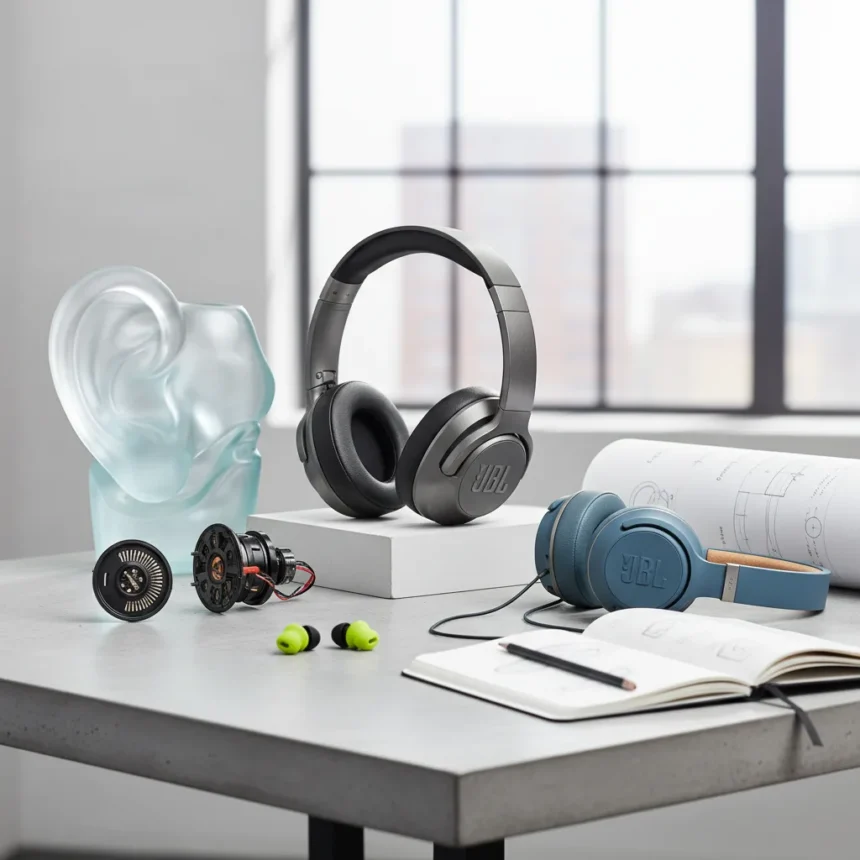
JBL’s approach to headphone design strategy centers on a fundamental principle: the company does not make products simply because it can. Instead, JBL explicitly targets specific consumer needs and lifestyle trends when developing its audio offerings. The brand’s philosophy reflects a shift in how premium audio manufacturers think about market competition and product relevance in an increasingly crowded wireless headphones category.
Key Takeaways
- JBL prioritizes addressing actual consumer needs over manufacturing products for their own sake.
- Audio quality and design are the two pillars of JBL’s product development approach.
- The company views lifestyle trends and target audience insights as essential to market leadership.
- JBL’s strategy positions it as a challenger in a market dominated by established competitors.
- Consumer-centric design is JBL’s answer to standing out in the wireless headphones space.
Why JBL’s Headphone Design Strategy Matters Now
The wireless headphones market has become saturated with options, from budget earbuds to premium noise-cancelling models. JBL’s explicit commitment to addressing specific consumer needs rather than chasing market trends reflects a more disciplined approach to product development. This strategy matters because it signals how the brand intends to compete against established players like Sony, which dominates the noise-cancelling segment, and emerging competitors offering aggressive pricing. JBL’s focus on intentional design and audio quality suggests the brand believes differentiation comes from understanding what consumers actually want, not from feature bloat or marketing hype.
The company has already demonstrated scale in the headphones market, having surpassed 200 million units sold globally. This milestone provides JBL with both a foundation and a challenge: maintaining relevance while competing in a category where consumer expectations are higher than ever. By articulating a design-first philosophy rooted in consumer research, JBL is positioning itself as a brand that listens—literally and figuratively—to its audience.
Audio Quality and Design as Competitive Anchors
JBL emphasizes that its product development rests on two non-negotiable pillars: audio quality and design. This dual focus distinguishes the brand’s positioning from competitors who may prioritize features like active noise cancellation or battery life as primary selling points. Audio quality remains the foundational expectation for any headphone brand claiming premium status, yet design—the physical form, materials, comfort, and aesthetic appeal—often receives secondary attention in marketing narratives. JBL’s strategy elevates design to equal importance, recognizing that how headphones look and feel directly influences purchase decisions and long-term user satisfaction.

This approach acknowledges a fundamental truth about consumer audio: the best-sounding headphones that are uncomfortable to wear or visually unappealing will underperform in the market. By treating audio quality and design as inseparable, JBL signals that it understands the complete user experience. The brand’s emphasis on these two elements also provides a clear lens for product evaluation and development decisions, helping the company avoid the trap of adding features that do not serve the core consumer need.
Targeting Lifestyle Trends and Specific Audiences
JBL’s strategy explicitly incorporates lifestyle trends and target audience segmentation into its product roadmap. Rather than designing a single headphone model and hoping it appeals to everyone, the company recognizes that different consumers have different needs based on how they live and what they do. A commuter prioritizes noise isolation and battery life. An athlete values sweat resistance and secure fit. A casual listener may care more about design and brand perception. By mapping products to these lifestyle segments, JBL can allocate resources more effectively and create offerings that genuinely resonate with specific groups.


This consumer-centric approach requires ongoing market research and a willingness to iterate based on feedback. It also means accepting that not every product will appeal to every consumer—a constraint that actually strengthens brand positioning by creating clarity around who each product is designed for. JBL’s willingness to articulate this strategy publicly suggests confidence in its ability to execute across multiple market segments simultaneously, a capability that separates true consumer-focused brands from those merely paying lip service to the concept.
The Competitive Landscape JBL Faces
JBL operates in a wireless headphones market where established competitors have entrenched positions and loyal customer bases. Sony’s dominance in noise-cancelling technology, for instance, represents a significant competitive barrier that JBL must overcome through differentiation in other areas. Emerging brands offering aggressive pricing and feature-rich products at lower price points also pressure the market, forcing established players to justify premium pricing through superior design and audio quality. JBL’s strategy of deliberately targeting consumer needs rather than copying competitor features is a rational response to this competitive pressure.
The brand’s stated ambition to dominate the headphones market reflects confidence in its ability to execute this strategy at scale. With 200 million units sold historically, JBL has the manufacturing capability and distribution infrastructure to support aggressive growth. What remains to be proven is whether the company can translate its design and audio quality philosophy into products that win over consumers faster than competitors can copy or innovate. This challenge will define JBL’s success in the coming years.
Does JBL’s design strategy actually work in the market?
JBL’s strategy of prioritizing consumer needs and lifestyle trends over feature chasing is sound in theory, but execution determines real-world success. The brand’s 200 million units sold globally demonstrates that consumers have responded positively to JBL’s offerings historically, though this figure spans many years and product generations. Whether the company can accelerate growth and capture market share from competitors through this refined strategy remains an open question that will be answered by product launches and sales data over the next 12-24 months.


How does JBL position itself against Sony in headphones?
JBL’s strategy differs from Sony’s by emphasizing design and consumer-need alignment alongside audio quality, whereas Sony has built its headphone reputation primarily on noise-cancelling innovation and audio engineering. Both brands target premium consumers, but JBL’s explicit focus on lifestyle trends and specific audience segments suggests a more segmented approach to market competition. Sony’s broader portfolio and brand prestige in consumer electronics give it advantages, but JBL’s design-first philosophy offers a distinct positioning angle that appeals to consumers who value aesthetic and lifestyle fit.
What does JBL mean by addressing consumer needs in headphone design?
JBL’s philosophy means the company conducts research to identify what specific groups of consumers actually need from headphones—whether that is comfort for all-day wear, portability, audio accuracy, durability, or visual appeal—and then designs products explicitly to meet those needs rather than adding features for their own sake. This approach prevents the common pitfall of over-engineered products that solve problems consumers do not have while missing solutions to problems they do.
JBL’s strategic focus on consumer needs, audio quality, and design represents a deliberate bet that differentiation in the wireless headphones market comes from listening to what consumers actually want, not from chasing technological trends or competitor features. Whether this philosophy translates into market dominance will depend on the company’s ability to execute consistently across product lines and maintain the balance between innovation and consumer-centric restraint. For now, JBL has articulated a clear vision for how it intends to compete—and that clarity itself is a competitive advantage in a market often driven by hype and feature proliferation.
Edited by the All Things Geek team.
Source: What Hi-Fi?