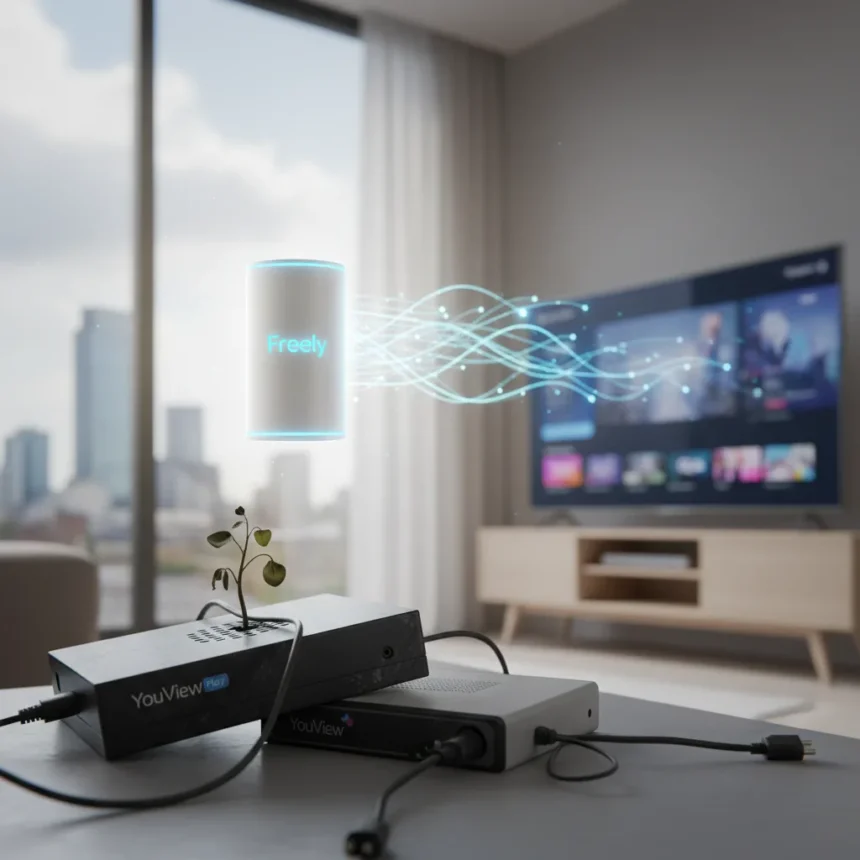
The future of UK catch-up TV services is in flux. Two of the nation’s most popular catch-up TV services could be shutting down, creating a significant shift in how British viewers access on-demand content—particularly those without traditional TV aerials or always-on internet connections.
Key Takeaways
- Two major UK catch-up TV services face potential shutdown in the coming months.
- Freely is positioned as the successor platform for catch-up TV delivery in the UK.
- Off-grid viewers without connected-TV setups may face access challenges during the transition.
- The shift signals a broader move toward streaming-first television in the UK market.
- Households relying on legacy catch-up systems should prepare for platform migration.
What’s happening to UK catch-up TV services?
UK catch-up TV services are undergoing a major transition. Two of the country’s most widely used catch-up platforms could be shutting down, forcing millions of viewers to adapt to new systems for accessing delayed broadcasts and on-demand content. This development matters now because it directly impacts how people watch television outside of live slots, particularly those who depend on catch-up functionality rather than subscription streaming services.
The timing of this transition is critical. Viewers who have relied on these services for years—especially older audiences and those in areas with poor broadband coverage—are facing uncertainty about where their content will go and whether new platforms will meet their needs. The shift represents a fundamental change in how UK television is distributed, moving away from traditional catch-up infrastructure toward newer streaming-based models.
Freely emerges as the successor platform
Freely is positioned to take on the mantle of these departing services, becoming the primary catch-up TV platform for UK viewers. This transition suggests that the industry is consolidating around a single, unified platform rather than maintaining multiple competing catch-up services. Freely’s role as the successor indicates a deliberate strategy to streamline how catch-up content is delivered across the country.



The move toward Freely raises important questions about accessibility and compatibility. Unlike traditional catch-up services that worked on older devices and required minimal technical setup, newer platforms often demand internet connectivity, compatible hardware, or app downloads—barriers that disadvantage viewers who are genuinely off the grid or using older television equipment. The transition will force many households to evaluate whether their current devices can support Freely or whether they’ll need to upgrade.
Why this matters for off-grid viewers
The shutdown of existing UK catch-up TV services is particularly concerning for viewers without standard connected-TV setups. Those relying on traditional broadcast television with catch-up functionality as a backup face real access challenges. Off-grid households—whether due to poor broadband, preference for non-connected devices, or geographic isolation—have fewer alternatives if Freely requires internet connectivity or modern hardware that they don’t possess.



This transition underscores a broader industry trend: the shift toward streaming-first delivery models that assume universal broadband access and connected devices. For viewers in rural areas, those with older equipment, or households without reliable internet, this shift can feel exclusionary. The closure of legacy catch-up services removes a fallback option that worked without requiring a subscription or premium internet connection, replacing it with a platform whose accessibility requirements remain unclear to many potential users.
What happens next for UK television viewers?
The transition to Freely will likely happen gradually, but viewers should prepare for the eventual shutdown of the current services. This means exploring Freely’s compatibility with existing devices, understanding its features and limitations, and planning any necessary hardware upgrades. For households heavily dependent on catch-up viewing, the timing of this transition will be crucial—losing access to content during the changeover could disrupt viewing habits.
The broader implication is that UK television is moving decisively toward internet-dependent platforms. This consolidation may offer benefits like unified search, better integration with on-demand content, and a single interface for catch-up viewing. However, it also means that viewers without reliable broadband or compatible devices will find themselves increasingly excluded from the mainstream television ecosystem. The industry’s responsibility now is to ensure that Freely’s rollout doesn’t leave behind the audiences that traditional catch-up services were designed to serve.
Will Freely replace both services completely?
Freely is expected to become the primary catch-up platform following the shutdown of the two existing services, but the exact scope of its replacement—whether it will offer identical functionality, the same content library, or the same ease of access—remains unclear from current announcements. The transition will likely take time, with both old and new services running in parallel before the final cutover.



What should viewers do if they rely on catch-up TV?
If you currently use one of the services facing shutdown, start exploring Freely now. Check whether your television, set-top box, or streaming device supports the platform. If your equipment is older or not compatible, research what upgrades might be necessary. For off-grid viewers, investigate Freely’s exact technical requirements and whether it offers any offline functionality or non-internet alternatives.
Could this affect rural or poorly connected areas differently?
Yes. Viewers in areas with unreliable broadband or those without always-on internet connections will likely face greater challenges with Freely than urban users with stable, high-speed connectivity. If Freely requires consistent internet access and the old catch-up services did not, the transition could effectively exclude some households from catch-up TV entirely unless Freely offers offline modes or lower-bandwidth options.
The shutdown of two major UK catch-up TV services marks a pivotal moment for British television. While consolidation around Freely may streamline the viewing experience for many, it also risks leaving behind the audiences who depend most on accessible, non-subscription catch-up options. Viewers should act now to understand what Freely offers and whether their setup can support it—waiting until the old services vanish could mean losing access to catch-up content altogether.
Edited by the All Things Geek team.
Source: What Hi-Fi?