





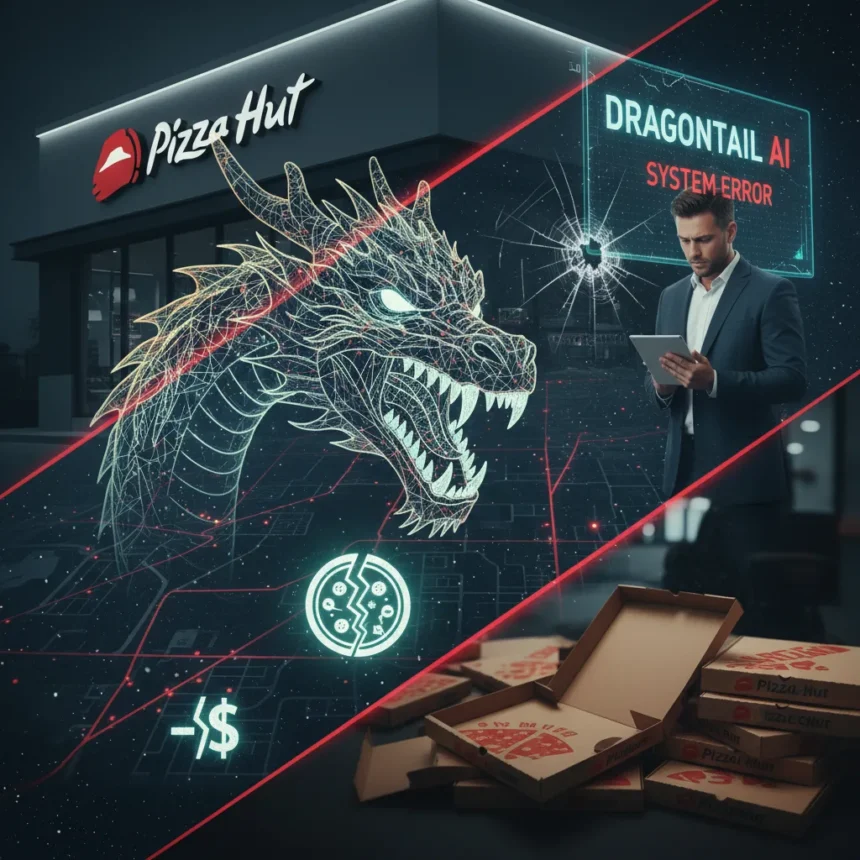
A major AI delivery system franchisee lawsuit is exposing a dangerous gap between corporate tech mandates and real-world restaurant operations. Chaac Pizza Northeast, which operates approximately 111 Pizza Hut locations across New York, New Jersey, Maryland, Washington DC, and Pennsylvania, filed suit on May 6 in Texas Business Court, alleging that Pizza Hut’s AI-powered Dragontail delivery platform cost the franchisee more than $100 million in lost business and enterprise value.
Key Takeaways
- Chaac Pizza Northeast operates 111 Pizza Hut restaurants across five northeastern US states and filed a $100 million lawsuit in May 2026.
- Dragontail, Pizza Hut’s AI delivery system rolled out in 2024, allegedly caused delivery times to rise from under 30 minutes in 90% of cases to 45+ minutes for half of orders.
- The franchisee claims the system gave DoorDash drivers real-time kitchen visibility, allowing them to batch or delay pickups, cascading operational breakdowns.
- Chaac’s New York City market allegedly collapsed from 10.19% year-over-year sales growth to negative 9.78% in Q3 2024 following the rollout.
- Pizza Hut says it is reviewing the claim and will respond through legal channels, citing Dragontail’s intended purpose of optimizing in-house and third-party deliveries.
How Dragontail Backfired on Pizza Hut Franchisees
Pizza Hut introduced Dragontail in 2024 as an AI-powered delivery-management platform designed to optimize order fulfillment by giving real-time visibility into kitchen workflows and driver availability. The system was supposed to help franchisees coordinate between in-house delivery drivers and third-party platforms like DoorDash, improving efficiency when in-house drivers were unavailable or slower. Instead, Chaac alleges the opposite happened. According to the complaint, DoorDash drivers used the real-time kitchen visibility to strategically batch orders or delay pickups, causing drivers to wait up to 15 minutes in stores while accumulating multiple orders. This created cascading operational breakdowns that directly harmed customer experience.
The performance data tells a grim story. Delivery times allegedly shot from under 30 minutes in 90% of cases to 45 minutes or more for half of all orders after Dragontail went live. Rack Times—the critical period between when a pizza leaves the oven and when it leaves the store—increased sharply. The complaint states that with the intention to improve efficiency and service to the customer, Dragontail did the exact opposite, causing significant delays and pummeling consumer satisfaction.
The Business Impact: From Growth to Collapse
The financial damage was swift and severe. In Q3 2024, Chaac’s New York City market shifted from 10.19% year-over-year sales growth to negative 9.78%—a devastating swing that Chaac directly attributes to the Dragontail rollout. Across the franchisee’s 111 locations, the cumulative effect allegedly exceeded $100 million in lost business and diminished enterprise value. The lawsuit seeks more than $100 million in damages plus attorneys’ fees and other relief. This is not a minor operational complaint—it is an existential claim that Pizza Hut’s corporate tech mandate destroyed a substantial franchisee’s profitability.



What makes this case particularly damaging to Pizza Hut is the franchisee’s argument that the company forced continued use of a system that Pizza Hut itself knew was failing. Chaac alleges Pizza Hut breached its franchise agreement by mandating the use of Dragontail without exercising reasonable business judgment or modifying the system to fit Chaac’s heavy DoorDash-dependent delivery model. The implication is clear: Pizza Hut prioritized a standardized tech rollout over individual franchisee performance and profitability.
Why AI Delivery Optimization Collided with Gig Driver Incentives
The core problem reveals a fundamental flaw in how AI systems interact with human behavior. Dragontail was designed to optimize delivery workflows by providing transparency. But that same transparency gave third-party drivers—who operate on gig economics and are incentivized to maximize orders per trip—a tool to game the system. A driver who can see that five orders are waiting and can batch them into one pickup has no reason to return quickly. The AI system inadvertently created perverse incentives for the very drivers it was meant to coordinate with.



This is a cautionary tale for any company deploying AI into franchise networks that depend on third-party delivery platforms. The system was built for a world where Pizza Hut controls both the kitchen and the drivers. But modern pizza delivery is a hybrid ecosystem where franchisees partner with DoorDash, Uber Eats, and other platforms over which they have limited control. Dragontail’s architects appear to have underestimated how third-party drivers would respond to real-time kitchen visibility.
Pizza Hut’s Response and the Road Ahead
Pizza Hut has declined to comment on the pending litigation, saying only that it is reviewing the claim and will respond through appropriate legal channels. The company has not publicly addressed Chaac’s specific allegations about delivery time increases, customer satisfaction declines, or the financial impact. This silence is notable given the magnitude of the claim and the detailed operational data Chaac has provided in the lawsuit.
The case raises urgent questions for other Pizza Hut franchisees who also operate under Dragontail. Are they experiencing similar delivery delays and sales declines? Has Pizza Hut issued any modifications to the system? Are other franchisees considering legal action? The lawsuit could trigger a domino effect if other operators come forward with comparable evidence of losses.
What This Means for AI in Restaurant Operations
The Dragontail lawsuit is a high-stakes test of whether corporate AI mandates can override franchisee autonomy and profitability. It also exposes a deeper risk: that AI systems optimized for one operational model can fail catastrophically when deployed into complex, multi-stakeholder ecosystems. Pizza Hut’s franchisor-franchisee relationship depends on trust that corporate initiatives will benefit individual operators. If Dragontail genuinely harmed franchisees without recourse to disable or modify it, that trust is broken.


For the restaurant industry, this case is a warning. AI-driven delivery optimization sounds rational in a corporate boardroom, but real-world execution requires understanding how third-party drivers, franchise economics, and customer expectations actually interact. A system that improves metrics for corporate headquarters while destroying franchisee profitability is a system that will eventually face legal and operational pushback.
Did Dragontail cause delivery delays for all Pizza Hut franchisees?
The lawsuit is specific to Chaac Pizza Northeast’s experience across their 111 locations. Pizza Hut has not disclosed whether other franchisees have reported similar issues or whether the Dragontail system performs differently in other markets or operational contexts. The case may prompt more transparency about system-wide performance.
Can Pizza Hut be held liable for mandatory software that underperforms?
Chaac’s legal theory centers on breach of franchise agreement and failure to exercise reasonable business judgment. If the court finds that Pizza Hut mandated a system it knew was failing without providing franchisees a way to opt out or modify it, liability could extend beyond this single case. Franchise law typically requires that franchisor decisions not unreasonably harm franchisee profitability.
What happens if Chaac wins the lawsuit?
A judgment in Chaac’s favor could force Pizza Hut to pay over $100 million in damages, modify or disable Dragontail for franchisees, or both. It could also open Pizza Hut to similar claims from other operators and set a precedent that corporate tech mandates must be subject to franchisee consent or performance guarantees.
The Dragontail lawsuit is a collision between corporate innovation and franchisee reality. Pizza Hut bet on AI to optimize delivery. Instead, the system allegedly optimized itself into obsolescence by creating incentives that contradicted its own goals. If Chaac prevails, it will be a stark reminder that the best technology is worthless if it destroys the business model it is meant to serve.
Edited by the All Things Geek team.
Source: Tom's Guide




