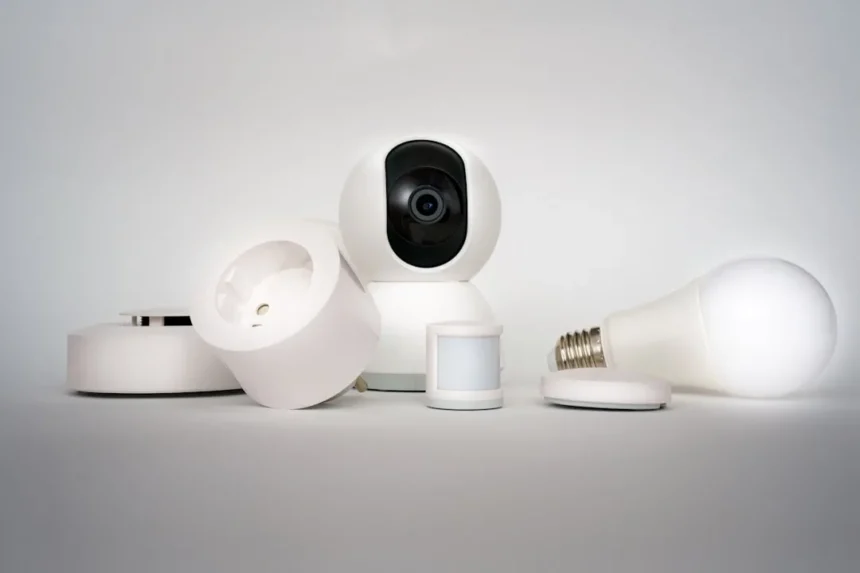
Smart home security devices under $100 offer a practical alternative to expensive professional monitoring systems, letting you protect your house while traveling without monthly service fees. The strategy is simple: layer affordable sensors and cameras across your home to catch problems before they become costly disasters.
Key Takeaways
- Security cameras with motion detection cost under $100 and provide live video feeds from anywhere.
- Smart water leak detectors typically cost $25–$50 and alert you to water damage before it spreads.
- Smart locks let you grant access codes to guests or service providers without being home.
- Smart plugs make older appliances controllable remotely and can simulate occupancy while you travel.
- Smart thermostats let you monitor and adjust temperature from your phone during vacation.
Why Summer Travel Demands Remote Home Monitoring
Leaving your house unoccupied for weeks creates a vulnerability window. Burst pipes, electrical fires, or break-ins can cause thousands in damage before you return. Professional security systems run $50–$100 monthly plus installation. Smart home security devices under $100 eliminate that recurring cost by letting you monitor, alert, and respond to threats yourself in real time.
The advantage over traditional systems is flexibility. You buy only what you need, upgrade gradually, and avoid long-term contracts. A security camera catches motion. A water leak detector alerts you to flooding. A smart lock grants access to a plumber without you being there. Together, these layers create redundancy: if one device misses something, another catches it.
Security Cameras: Your Eyes While Away
A smart security camera is the foundation of any remote monitoring setup. These devices notify you when motion is detected, provide a live video view 24/7, and let you communicate with visitors or potential intruders through two-way audio. Most quality models stay under $100, making them the single best investment for vacation peace of mind.


Cameras work best when positioned at entry points—front door, back patio, garage. Motion alerts arrive on your phone within seconds. If you see suspicious activity, you can speak directly through the camera or contact local police. The live feed also lets you check on deliveries, confirm service providers are actually at your house, and monitor pets if someone is pet-sitting.
Water Leak Detectors: Preventing Catastrophic Damage
A burst pipe or failed water heater can cause tens of thousands in damage in a single day. Smart water leak detectors are the cheapest insurance available. Basic models cost $25–$50 and use metal contacts to detect moisture. When water is present, they send an instant phone alert. The Govee Wi-Fi water sensor, for example, costs around $25 on Amazon, making it one of the most affordable protection layers available.

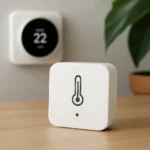

More advanced systems like the Moen Smart Water Leak Detector (typically $49, sometimes discounted to $32) offer better sensitivity and faster alerts. If you want automatic shutoff capability—where the system physically stops water from entering your home—expect to pay $400–$500 plus plumber installation on your main water line, but that investment prevents catastrophic loss.
Position leak detectors under sinks, near water heaters, and in basements or crawl spaces where leaks typically start. They require no installation and run on batteries for months. The alert arrives before water spreads to drywall, flooring, or electrical systems.
Smart Locks: Remote Access Without Keys
A smart lock eliminates the need to hide spare keys or arrange complex handoffs. You can send temporary access codes to guests, service providers, or emergency responders without being home. Codes expire automatically, so you don’t have to worry about someone using an old key after your vacation ends.
Smart locks mount on your existing deadbolt and sync with your phone. If a plumber needs to fix a burst pipe or a contractor needs to inspect your roof, you grant access from anywhere in the world. The lock logs every entry, so you know exactly who entered and when. Most quality models cost under $200, though basic versions stay closer to $100.



Smart Plugs: Making Dumb Appliances Smart
Smart plugs turn ordinary appliances into remotely controllable devices. Plug a lamp into a smart plug, and you can turn it on and off from your phone. Schedule it to turn on at sunset and off at midnight to simulate occupancy while you’re away—a proven burglar deterrent.
Beyond lighting, smart plugs let you control fans, space heaters, or other devices remotely. They also display real-time power usage, helping you spot phantom loads or identify which appliances are consuming energy. Most models cost $15–$30, making them the cheapest smart home addition available.
Smart Thermostats: Preventing Waste and Damage
A smart thermostat monitors your home’s temperature and lets you adjust it remotely. During summer vacation, you can set it higher to save energy. In winter, you maintain just enough heat to prevent frozen pipes. If your HVAC system malfunctions, the thermostat alerts you before damage occurs.
Smart thermostats also provide historical data showing temperature fluctuations. A sudden drop might indicate a failed heater or open window. Most models cost $100–$300 and replace your existing thermostat without professional installation.
Smart Smoke Detectors: Early Fire Detection
A smart smoke detector sends phone alerts if smoke is detected while you’re away. Unlike traditional smoke detectors that only sound a local alarm, smart versions notify you immediately so you can contact emergency services even if you’re across the world.
Layering Devices for Complete Protection
The real power comes from combining these devices. A water leak detector catches flooding. A security camera spots a break-in. A smart lock grants access to a plumber. A smart thermostat prevents pipe freezing. Smart plugs simulate occupancy. Together, they create overlapping protection that catches problems before they become expensive emergencies.
Start with a security camera and a water leak detector—the two highest-impact devices under $100. Add a smart lock next. Then layer in a thermostat and plugs based on your specific risks. This modular approach lets you build security gradually without overwhelming complexity.
What Makes Smart Home Security Devices Under $100 Better Than Professional Systems
Professional monitoring companies charge $40–$100 monthly for 24/7 human response. That’s $480–$1,200 per year. You’re paying for someone to call emergency services on your behalf. With smart home security devices under $100, you receive alerts directly and decide whether to call police, a plumber, or a contractor yourself. You keep that $500+ annually and maintain complete control over your response.
The trade-off is that you’re responsible for responding to alerts. If you receive a motion notification at 3 a.m., you decide whether it’s a raccoon or a burglar. Most people find this acceptable because you get real-time information instead of delayed professional judgment. You also avoid multi-year contracts and can upgrade devices whenever you want.
Which Devices Matter Most for Summer Vacation
Prioritize based on your biggest risks. In hot climates, water damage from burst pipes is less likely, so a security camera becomes your primary concern. In cold climates, water protection is critical. If you live in an area with frequent break-ins, invest in cameras and smart locks. If flooding is common, prioritize leak detection.
Most homes benefit from starting with a $50–$100 security camera and a $25–$50 water leak detector. That combination addresses the two most common and costly problems: theft and water damage. Add devices from there based on your specific situation.
Can smart home security devices under $100 replace professional systems?
For vacation monitoring, yes. Professional systems excel at 24/7 human response and police dispatch. Smart home devices excel at instant alerts and remote control. If you’re willing to respond to alerts yourself, smart devices provide better value. If you want someone else handling emergencies, professional monitoring remains necessary.
How reliable are smart home security devices under $100?
Reliability depends on your Wi-Fi connection. If your internet goes down, wireless devices lose connectivity. Hardwired systems like cameras with battery backup continue operating. Choose devices with local storage (cameras that record to onboard SD cards) for redundancy. Test your setup before vacation to ensure alerts work and video streams reliably.
Do I need all seven types of smart home security devices?
No. Start with a security camera and water leak detector—the two devices that prevent the most expensive problems. Add others based on your home’s specific vulnerabilities. A house with old plumbing needs leak detection. A house in a high-crime area needs cameras and smart locks. A house with an aging roof needs leak detection. Choose devices that address your actual risks rather than buying everything at once.
Smart home security devices under $100 prove that effective home protection doesn’t require expensive professional systems or long-term contracts. Start small, test your setup, and add layers as you identify what matters most for your home and travel patterns.
Where to Buy
Blink Outdoor 2K+: | Sync Module ($49) | Yale Assure Lock 2: | Moen Flo Smart Water Detector: | First Alert SC5 Battery Smart Smoke & Carbon Monoxide Alarm:
Edited by the All Things Geek team.
Source: Tom's Guide