




Vinyl record facts often reveal a story far more complex than casual listeners realize. The resurgence of vinyl over the past decade has sparked curiosity about how these analog discs work and why they remain culturally significant despite the dominance of digital streaming.
Key Takeaways
- Vinyl records have a longer history and deeper cultural resonance than most people understand.
- The physical properties of vinyl shape how music sounds in ways digital formats cannot replicate.
- Common misconceptions about vinyl durability, sound quality, and playback persist among newer collectors.
- Vinyl’s resurgence reflects broader consumer demand for tangible, collectible media experiences.
- Understanding vinyl record facts helps buyers make informed turntable and collection decisions.
Why Vinyl Record Facts Matter Right Now
Vinyl sales have climbed steadily for over a decade, yet most people buying records know surprisingly little about what makes them different from other formats. Vinyl record facts matter because they explain why collectors value these discs beyond nostalgia. The tactile experience of handling a record, reading liner notes, and placing the needle on the groove engages listeners in a way streaming cannot replicate. This shift toward tangible media consumption is not a temporary trend—it reflects genuine consumer frustration with algorithmic playlists and the desire for ownership.
What Hi-Fi? has documented this vinyl resurgence extensively, noting that even casual listeners are discovering records offer something missing from digital libraries. The physical act of playing vinyl forces intentional listening rather than passive background consumption. This behavioral difference alone explains part of vinyl’s appeal to younger audiences who grew up entirely in the streaming era.
The Cultural and Technical Reality of Vinyl Records
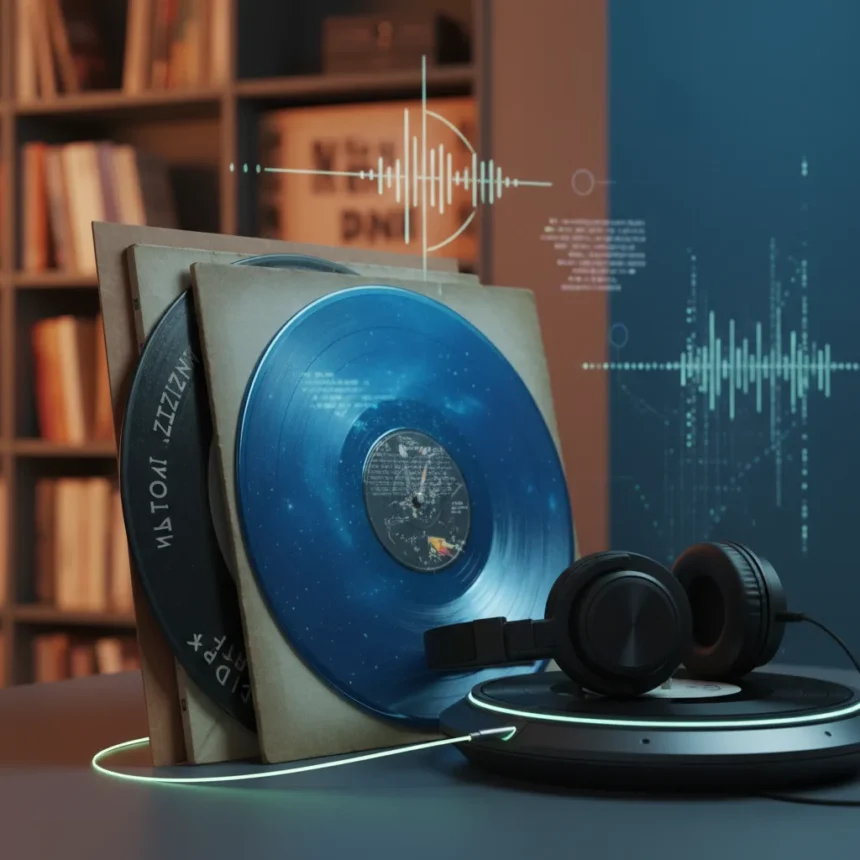
Vinyl record facts reveal that these discs are far more than retro artifacts. The format itself encodes information in microscopic grooves that a stylus reads through physical contact—a fundamentally different technology from the digital sampling that powers CDs and streaming services. This mechanical process creates acoustic characteristics that many listeners prefer, though the debate over whether vinyl sounds objectively better remains contentious among audiophiles.


Collectors and serious listeners often cite vinyl record facts about pressing quality, mastering choices, and the role of the record label in determining final sound. Not all vinyl pressings are equal. A record pressed in the 1970s using original master tapes may sound dramatically different from a modern reissue pressed from a digital file. Understanding these distinctions separates informed collectors from those who assume all vinyl sounds the same.
Misconceptions About Vinyl Durability and Care
One of the most persistent vinyl record facts that contradicts popular belief involves durability. Many assume vinyl is fragile and degrades quickly, yet properly stored records can last decades without noticeable deterioration. The key lies in environmental control—temperature fluctuations, humidity, and direct sunlight pose far greater threats than normal play. A record played regularly with a well-maintained turntable will outlast one stored carelessly in poor conditions.



Vinyl record facts also address the myth that playing records damages them irreparably. While stylus contact does create microscopic wear, a quality turntable with correct tracking force minimizes this effect to negligible levels. The real damage comes from dust, warping, and improper storage. This distinction matters for collectors deciding whether to actually play their records or treat them as museum pieces.
Why Vinyl Record Facts Shape Listener Expectations
Understanding vinyl record facts helps new listeners develop realistic expectations about the format. The sound of vinyl is not universally superior to digital—it is simply different. Surface noise, pops, and clicks are inherent to the format, not flaws. Some listeners embrace these characteristics as part of vinyl’s charm; others find them distracting. Knowing this distinction prevents disappointment when someone buys their first record expecting pristine silence.
Vinyl record facts also explain why turntable quality matters far more than most people realize. A budget turntable with poor tracking force and a low-quality stylus will sound worse than a midrange model. The mechanical precision required to read vinyl grooves accurately is more demanding than casual listeners assume. This is why What Hi-Fi? emphasizes selecting the right turntable as the foundation of any vinyl setup.
Common Questions About Vinyl Record Facts
What makes vinyl sound different from digital formats?
Vinyl record facts explain that the analog groove contains continuous information rather than digital samples. A stylus reads these grooves physically, creating sound through mechanical vibration. This continuous signal processing produces harmonic characteristics that some listeners perceive as warmer or more natural than the discrete sampling used in digital audio.


Do vinyl records really last longer than CDs or digital files?
Vinyl record facts show that properly stored records can last 50+ years without significant degradation, while CDs degrade within 10-20 years due to polycarbonate breakdown. Digital files stored on hard drives face different risks—bit rot and format obsolescence. Each medium has distinct longevity challenges, making direct comparison difficult.
Is it true that all vinyl sounds the same?
No. Vinyl record facts reveal that pressing quality, mastering source, and vinyl compound composition dramatically affect sound. A record pressed in 1975 from analog masters will sound noticeably different from a 2024 reissue pressed from a digital file. Collector knowledge of pressing information—plant location, matrix numbers, and mastering engineer—shapes purchasing decisions among serious enthusiasts.
Vinyl record facts ultimately challenge the assumption that this format is simply nostalgia dressed in retro packaging. The physical properties, durability characteristics, and sound qualities of vinyl create a genuinely different listening experience than digital alternatives. Whether that difference justifies the cost and inconvenience remains a personal choice, but making that choice with accurate information separates informed collectors from those operating on misconception.
Edited by the All Things Geek team.
Source: What Hi-Fi?