





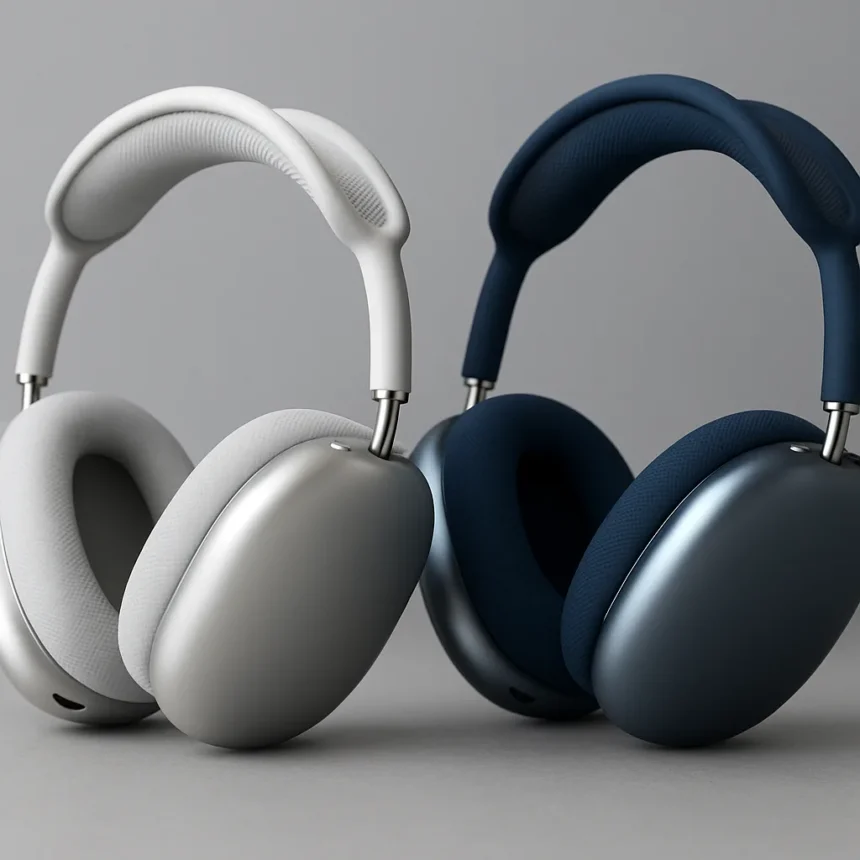
The AirPods Max 2 vs AirPods Max question is one Apple would rather you not ask too carefully. The 2024 AirPods Max is Apple’s second-generation over-ear headphone, priced at $549, and according to AppleInsider, the update is best described as a refinement rather than an overhaul. The headline change is a port swap from Lightning to USB-C. That’s it. Weight, audio processing, and price all remain identical to the original 2020 model.
TL;DR: The 2024 AirPods Max replaces Lightning with USB-C at the same $549 price. Audio processing, weight, and ANC performance are unchanged from the 2020 original. Unless you’re still on Lightning, there’s no compelling reason to upgrade from the first generation.
What Actually Changed in the AirPods Max 2 vs AirPods Max
The single verified hardware difference between the two generations is the charging port. The original AirPods Max used Lightning — Apple’s older proprietary connector — while the 2024 model moves to USB-C, aligning with the broader shift Apple made across its product lineup. Every other core specification, from weight to audio processing hardware, is carried over unchanged.
That’s a meaningful change for anyone who has already moved their entire charging setup to USB-C. One cable to charge your MacBook, iPhone 15 or later, iPad, and now your headphones is a genuinely useful convenience. But it’s a convenience upgrade, not a performance one. Apple made no claims about improved audio quality with the 2024 model, and WhatHiFi notes that internal components appear identical between the two generations.


The $549 price point holding steady across both generations is notable. Apple isn’t discounting the original to clear inventory, nor is it charging a premium for the new port. For buyers entering the ecosystem fresh, the 2024 model is the obvious choice. For existing owners of the first-generation AirPods Max, the calculus is much harder to justify.
AirPods Max 2 vs AirPods Max: Sound and ANC Performance
Sound quality and active noise cancellation performance are unchanged between the two models. Both generations offer up to 20 hours of listening time with ANC enabled, and WhatHiFi, without having tested the 2024 model directly, concluded that audio quality remains largely the same since Apple made no mention of audio improvements.



This is either reassuring or frustrating depending on your perspective. Reassuring because the original AirPods Max was widely regarded as an exceptional-sounding over-ear headphone when it launched in 2020. Frustrating because four years is a long time in audio technology, and rivals have not been standing still. Sony and Bose have both released multiple generations of competing headphones in that window, iterating on noise cancellation algorithms, driver technology, and comfort. Apple’s response has been a port change.
For listeners who prioritise audio quality above all else, the original AirPods Max at a potentially lower secondhand price may actually represent better value than the new model at full retail.
Is the AirPods Max 2 Worth Buying at the Same Price?
For new buyers, the 2024 AirPods Max is the version to get — USB-C compatibility is simply more useful going forward, and there’s no price penalty for choosing it. The original Lightning model will become increasingly inconvenient as the connector disappears from Apple’s own product range and from third-party accessories.
For owners of the first-generation AirPods Max, the upgrade case is weak. You’re paying $549 to gain a charging port. Your headphones won’t sound better, won’t cancel more noise, and won’t weigh any less. Unless your Lightning cable situation has become genuinely unmanageable, keeping the original and saving the money is the rational call.



The broader question this comparison raises is whether $549 remains a defensible price for a headphone that hasn’t meaningfully evolved since 2020. Sony’s flagship over-ear options and Bose’s premium line both compete in this price range with more recent hardware generations. Apple is betting that its ecosystem integration and audio quality hold the line. For many buyers, that bet still pays off — but it’s a bet that’s getting harder to justify with each passing year of minimal updates.
Is the AirPods Max 2 compatible with older Apple devices?
The 2024 AirPods Max uses USB-C for charging, which means it won’t charge directly from a Lightning cable. However, Bluetooth pairing and audio functionality work with any Apple device that supports the required software. The charging port change only affects how you power the headphones, not how they connect.
How long does the AirPods Max 2 battery last?
Both the original AirPods Max and the 2024 model offer up to 20 hours of listening time with active noise cancellation enabled. Apple made no changes to battery capacity or efficiency with the 2024 update, so battery life is identical across generations.
Should I buy the original AirPods Max or the 2024 model?
If you’re buying new, get the 2024 AirPods Max for its USB-C port — it’s the more future-proof choice at the same price. If you already own the first-generation model, there’s no audio or performance reason to upgrade. The difference between the two is purely about which charging cable you want to use.
The AirPods Max 2 vs AirPods Max story is ultimately a lesson in Apple’s product cadence: when a product sells well enough, the incentive to overhaul it disappears. The original AirPods Max was good enough in 2020 that a port swap four years later still commands the same premium price. That’s either a testament to how good the original was, or a sign that Apple knows its customers will pay regardless. Probably both.
This article was written with AI assistance and editorially reviewed.
Source: Tom's Guide