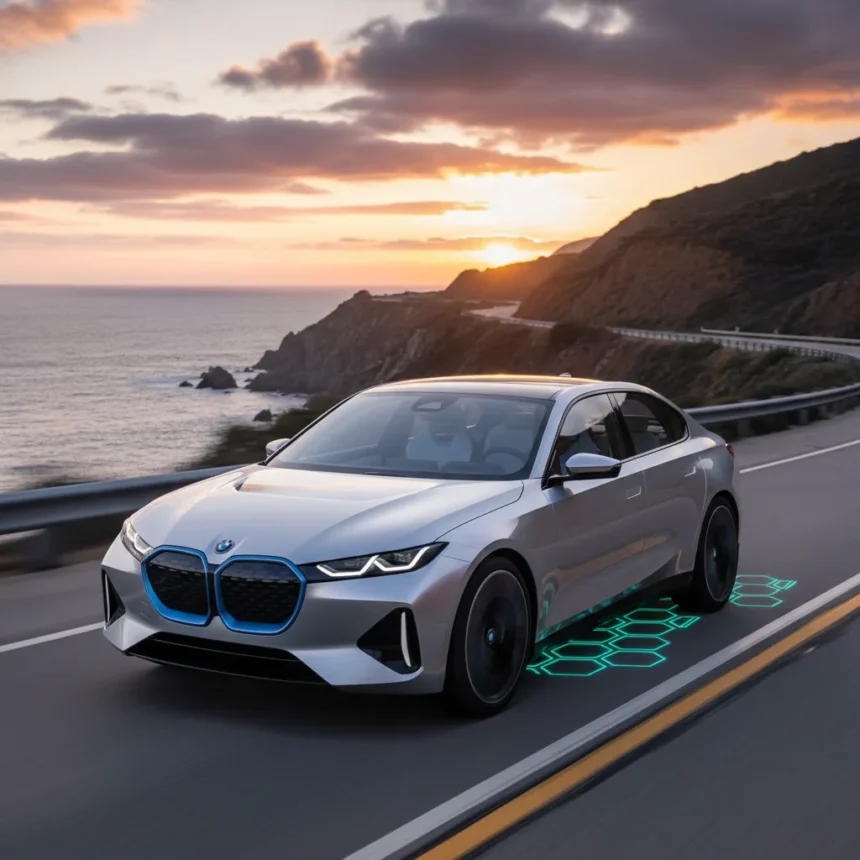
The BMW i3 EV sedan represents the automaker’s ambitious return to the i3 nameplate after a four-year absence, arriving as a fully electric successor to the original hatchback discontinued in 2022. Built on BMW’s revolutionary Neue Klasse platform, the new i3 50 xDrive dual-motor sedan delivers up to 560 miles of range, positioning it as a direct challenger to Tesla’s Model 3 and Lucid Air in the premium electric sedan segment. Yet beneath those impressive specs lies a design that has split the internet—and potential buyers—into sharply divided camps.
Key Takeaways
- BMW i3 EV sedan launches on Neue Klasse platform with dual motors and 463 horsepower
- Up to 560-mile WLTP range (440 miles EPA estimated) outpaces many competitors in its class
- 800-volt charging architecture supports up to 400 kW DC fast-charging capability
- Design represents radical departure from original i3, triggering polarized online reception
- Positioned as electric 3 Series successor with lightweight, efficient sedan body
BMW i3 EV Sedan Specs and Performance
The BMW i3 EV sedan packs 463 horsepower and 476 pound-feet of torque from its dual electric motors—one front, one rear—delivering all-wheel drive as standard on the launch model. The power output matches BMW’s iX3 SUV sibling, but the sedan’s lighter, more aerodynamic body translates to superior range efficiency. The i3 50 xDrive achieves approximately 3.9 miles per kWh on the EPA cycle, a figure that underscores the design advantage of a sleek sedan over a heavier crossover. The underlying battery likely carries a 112.2 kWh capacity, identical to the iX3, though BMW has not officially confirmed this specification.
Range claims require careful parsing. The headline 560-mile figure derives from the WLTP standard, a European testing cycle known for optimistic results. Real-world EPA estimates peg the i3 50 xDrive at approximately 440 miles, still a respectable figure that edges out the iX3’s 400-mile EPA range and positions the sedan ahead of the Chevy Bolt’s efficiency despite the Bolt’s marginal advantage in miles-per-kWh. For context, the Lucid Air Grand Touring leads sedans with 512 miles EPA range, making the BMW competitive but not class-leading on the stricter American standard.
The Neue Klasse platform’s 800-volt electrical architecture enables DC fast-charging up to 400 kW, a capability that dramatically cuts charging times compared to conventional 400-volt systems. This technological leap matters for road-trip practicality, where faster charging intervals reduce fatigue and improve real-world usability over long distances.

Design Controversy: Nothing Like the Original i3
The new BMW i3 EV sedan bears almost no visual resemblance to its predecessor, abandoning the original’s quirky, futuristic hatchback proportions for conventional four-door sedan styling. This departure has ignited fierce debate online, with some enthusiasts mourning the loss of the original i3’s distinctive character while others welcome a more mainstream aesthetic that broadens market appeal. The polarized reception reflects a fundamental design philosophy shift—BMW has chosen mass-market acceptability over cult-car distinctiveness.
The sedan’s form prioritizes aerodynamic efficiency and interior space over the playful quirkiness that made the original i3 a design icon. Longer overhangs, a traditional sedan silhouette, and conservative proportions signal that BMW intends the new i3 to compete directly against Tesla’s Model 3 and other mainstream electric sedans rather than occupy a niche position. This strategy makes commercial sense but abandons the original i3’s role as a design statement piece.



Design reception varies sharply across automotive communities. Some view the new sedan as a necessary evolution, a pragmatic response to market demand for conventional-looking EVs. Others see it as a missed opportunity to evolve the original’s distinctive language into something equally memorable but more practical. The internet’s split verdict suggests BMW faces a challenge translating design acceptance into sales momentum among enthusiasts who cherished the original’s individuality.
How the BMW i3 EV Sedan Stacks Against Competitors
The BMW i3 EV sedan enters a crowded premium electric sedan market where range and efficiency determine competitive positioning. Against the Lucid Air Grand Touring, the i3 trails by 72 miles on EPA estimates (512 vs. 440), though the Lucid commands a significantly higher price point and appeals to luxury-focused buyers. The Chevy Bolt, positioned at a lower price tier, edges the BMW on efficiency (4+ miles per kWh vs. 3.9), but sacrifices the premium interior and performance dynamics that justify the BMW’s positioning.
The real competitive threat emerges from Tesla’s Model 3 Long Range, which delivers similar range and performance at comparable pricing (unconfirmed for the new i3). Tesla’s established charging network and brand momentum present obstacles the BMW must overcome through superior driving dynamics and interior quality—traditional BMW strengths. The iX3 sibling serves as an internal benchmark; the sedan’s lighter weight and superior aerodynamics grant it a 40-mile range advantage despite identical powertrains, demonstrating how platform engineering can multiply efficiency gains.
What separates the i3 from mass-market competitors is the Neue Klasse platform’s architectural sophistication. The 800-volt charging capability and optimized thermal management represent generational advantages over older EV platforms, positioning the BMW as a technology leader rather than a follower playing catch-up on range and speed.



When Will the BMW i3 EV Sedan Launch?
BMW has not officially announced US pricing, specific launch dates, or regional availability for the new i3 EV sedan. References in automotive coverage suggest 2026 or 2027 model year positioning, but these remain unconfirmed. The absence of official timelines reflects BMW’s typical strategy of revealing specifications before finalizing production schedules and market-specific details. Potential buyers should expect formal announcements regarding pricing and availability in the coming months as production ramps.
Should You Wait for the BMW i3 EV Sedan?
The new BMW i3 EV sedan makes sense for buyers prioritizing range, charging speed, and premium interior quality over design distinctiveness. If you loved the original i3’s quirky character, the new sedan will disappoint—it trades individuality for mainstream appeal. For traditional BMW loyalists seeking an electric 3 Series replacement with class-competitive range and 800-volt charging advantages, the i3 represents a compelling option once pricing and availability crystallize.
How does the BMW i3 EV sedan’s range compare to the original i3?
The original i3 topped out around 150 miles of EPA range, making the new sedan’s 440-mile EPA estimate roughly three times more capable. The generational leap reflects advances in battery chemistry, motor efficiency, and platform design that have transformed electric vehicle practicality over the past decade.
Is the BMW i3 EV sedan’s 560-mile range realistic?
The 560-mile figure reflects WLTP testing, a European standard known for optimistic results. The EPA-estimated 440 miles represents a more conservative, real-world-aligned figure that buyers should use for planning. Actual range varies with driving conditions, temperature, and driving style—typical EV behavior.
What makes the Neue Klasse platform special?
The Neue Klasse architecture pioneers an 800-volt electrical system enabling 400 kW DC fast-charging, dramatically reducing charging times compared to conventional 400-volt platforms. This technology advantage, combined with optimized thermal management and lightweight construction, positions the i3 as a platform leader in efficiency and real-world usability.
The BMW i3 EV sedan arrives at an inflection point for electric sedans—when range anxiety has largely evaporated and design has become the primary differentiator. BMW’s gamble on conventional styling over distinctive character will determine whether the new i3 attracts mass-market buyers or alienates enthusiasts who defined the original. The 560-mile range claim and 800-volt charging capability establish genuine technical leadership, but execution and pricing will ultimately decide whether the i3 reclaims its position as one of BMW’s most important vehicles in recent history.
Edited by the All Things Geek team.
Source: TechRadar