





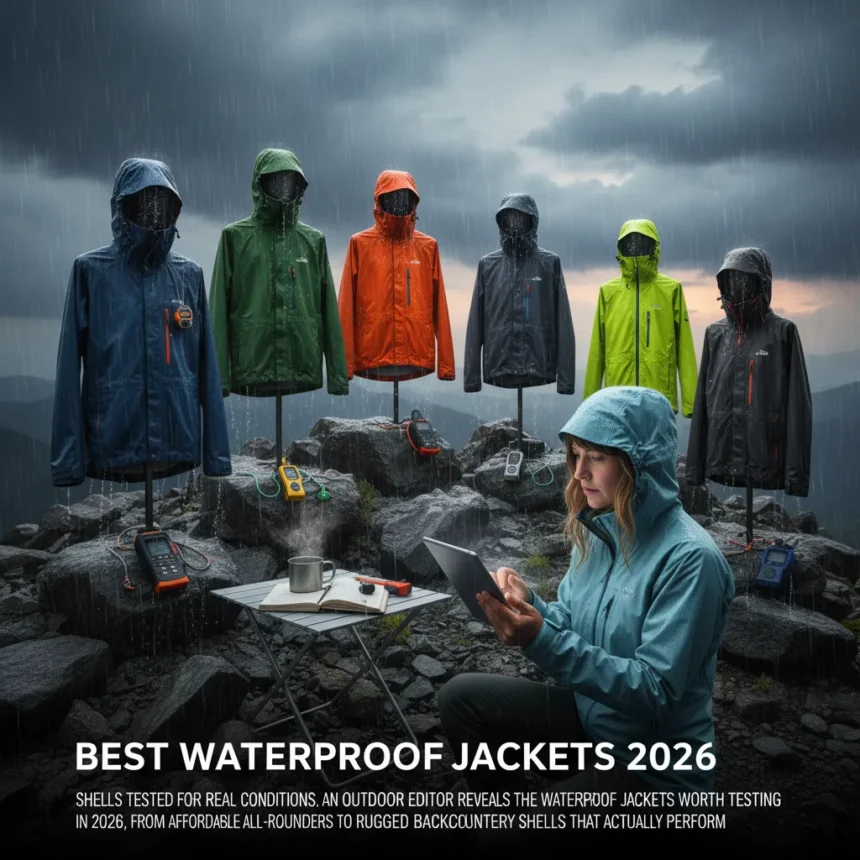
The best waterproof jackets 2026 are arriving with a focus on PFAS-free materials and purpose-built designs that move beyond generic rain shells. An outdoor editor’s excitement about upcoming models reveals a market where sustainability meets performance, and where the right jacket depends entirely on what you’re actually doing outside.
Key Takeaways
- Patagonia Torrentshell 3L uses 100% recycled nylon and biobased PU membrane, priced at $189 USD.
- Arc’teryx Beta SV 2026 upgrades to 100D GORE-TEX PRO for maximum durability in severe weather.
- TREW Cosmic Primo updated for 2026 offers backcountry and resort skiing versatility with 20K waterproof/breathable specs.
- Waterproof jackets 2026 emphasize PFAS-free construction across leading brands, shifting away from traditional fluorinated coatings.
- Weight ranges from 12 oz for lightweight GORE-TEX ePE shells to 635g for heavy-duty mountain options.
Patagonia Torrentshell 3L: The all-rounder that justifies the hype
The Patagonia Torrentshell 3L is a 3-layer H2No Performance Standard shell built from 100% recycled nylon ripstop face with a polycarbonate PU membrane that includes 13% biobased content. At $189 USD and 13.9 ounces, it sits at the sweet spot where durability and value collide. The jacket features an adjustable hood with laminated visor, microfleece-lined neck, snag-free center-front zip with storm flaps, and hook-and-loop cuffs. This is a shell designed for hikers who encounter surprise downpours and need something that won’t fail in brush or heavy rain.
An Outdoors Magic editor who has tested multiple generations of the Torrentshell called it a “functional jacket that serves as a good all-rounder – and at a reasonable price for a 3L shell”. The 20,000 mm waterproof rating delivers serious protection, and the bluesign-approved, Fair Trade Certified construction means you’re not just buying performance—you’re buying a jacket made with accountability. The trade-off is weight; at 405 grams, it’s heavier than lighter GORE-TEX ePE alternatives that weigh around 12 ounces, but that mass translates to durability that hikers actually notice after a season of use.
One practical limitation: the pockets sit high enough that hipbelts can overlap them, a design compromise that matters if you’re carrying a loaded pack. That said, reviewers consistently praise the waterproof jackets 2026 lineup for reviving the Torrentshell as a benchmark value option, especially against pricier brands offering similar protection without the eco credentials.

Arc’teryx Beta SV: Severe weather demands rugged construction
Arc’teryx upgraded the Beta SV for 2026 to 100D 3-layer GORE-TEX PRO ePE construction, making it the most rugged jacket in the Beta family. This is the shell you choose when conditions get genuinely hostile—heavy rain, sleet, snow, and abrasive terrain. The helmet-compatible StormHood features three-point adjustment for a dialed fit, and pit zips provide ventilation when you’re pushing hard uphill.
The waterproof jackets 2026 market includes lighter options, but the Beta SV’s 100D face fabric absorbs punishment that would shred thinner shells. It contains recycled content and uses GORE-TEX PRO with no intentionally added PFAS, aligning with the broader industry shift toward safer fluorine-free water repellency. The drop hem and oversized zippers are functional details that feel small until you’re clipping a harness over the jacket or changing batteries in a storm. Compared to the Patagonia Torrentshell, the Beta SV costs more and weighs more, but it’s built for mountaineering and alpine climbing where durability trumps packability.



TREW Cosmic Primo and North Face Stolemberg: Specialized shells for specific missions
The updated TREW Cosmic Primo Jacket for 2026 uses 3-layer Primo fabric rated 20,000 mm waterproof and 20,000 g/m² breathable, with a helmet-compatible 3-way adjustable hood and hand pockets that align with backpack straps. An Engearment reviewer called it “a highly functional and burly ski jacket that is great for resort and backcountry use”. This is a waterproof jacket 2026 designed specifically for skiers and splitboarders, not general hikers.
The North Face Stolemberg 3L DryVent takes a different approach: maximum protection for mountaineering in heavy rain and snow. It’s stiff, heavy, and less breathable than stretchy lightweight alternatives, but that trade-off is intentional. The large hood and adjustable cuff and hem provide coverage in conditions where comfort matters less than staying dry. Neither the Primo nor the Stolemberg competes directly with the Torrentshell or Beta SV because they’re optimized for different activities—skiing and extreme mountaineering, respectively, rather than general hiking and backpacking.
What makes waterproof jackets 2026 different from last year’s models
The shift toward PFAS-free membranes and recycled materials is the defining theme of the 2026 lineup. Patagonia’s H2No membrane includes 13% biobased content, Arc’teryx moved to GORE-TEX PRO ePE without intentionally added PFAS, and even budget-conscious brands are adopting similar standards. This isn’t marketing—it’s a genuine response to regulatory pressure and consumer demand for jackets that don’t shed forever chemicals into the environment.
Weight has also fractured into distinct categories. Lightweight GORE-TEX ePE shells hit 12 ounces with 28,000 mm waterproof ratings, making them ideal for ultralight backpacking. Mid-weight 3-layer shells like the Torrentshell and Primo sit between 13.9 and 14 ounces, offering balance. Heavy-duty shells like the Beta SV and Stolemberg prioritize durability over grams. The waterproof jackets 2026 market finally acknowledges that one jacket cannot serve every purpose—and that’s okay.



Which waterproof jacket should you actually buy?
Start with your primary activity. Hikers and backpackers should seriously consider the Patagonia Torrentshell 3L—it’s durable, affordable at $189 USD, and genuinely good value. Mountaineers and alpinists should look at the Arc’teryx Beta SV if budget allows; the 100D construction justifies the cost in severe weather. Skiers and backcountry tourers benefit from the TREW Cosmic Primo’s specialized design. The North Face Stolemberg is overkill for casual use but essential if you’re climbing in the Cascades or Alps.
An Outdoors Magic editor who has tested the Torrentshell extensively said it’s “highly dependable and good value for money,” a verdict that holds even as newer models arrive. The waterproof jackets 2026 lineup is genuinely exciting because it offers real choices—not just incremental updates to last year’s bestseller. The challenge isn’t finding a good waterproof jacket anymore; it’s choosing the right one for what you actually do outside.
Does the Patagonia Torrentshell 3L work for mountaineering?
The Torrentshell works for moderate alpine routes and three-season mountaineering, but the Beta SV’s 100D GORE-TEX PRO is more durable in abrasive terrain and extreme weather. The Torrentshell’s 3-layer construction delivers solid waterproofing, but it’s optimized for hiking and backpacking, not technical climbing where fabric durability under harnesses and sharp rock matters most.
How much does the Arc’teryx Beta SV cost?
The research brief does not specify the 2026 Arc’teryx Beta SV price. Pricing typically reflects the 100D GORE-TEX PRO construction and is positioned as a premium option compared to the Patagonia Torrentshell’s $189 USD.
What’s the difference between a 2-layer and 3-layer waterproof jacket?
A 3-layer shell adds a protective tricot backer fabric, as seen in the Patagonia Torrentshell, which increases durability and comfort against skin. Two-layer jackets are lighter but less durable and less comfortable for extended wear. The waterproof jackets 2026 lineup emphasizes 3-layer construction for all-day hiking and mountaineering, where durability justifies the extra weight.
The waterproof jackets 2026 market finally delivers real choice: affordable durability with the Torrentshell, extreme weather capability with the Beta SV, and specialized designs for skiing and mountaineering. An outdoor editor’s excitement about testing these shells reflects a genuine evolution—not toward gimmicks, but toward jackets that actually solve the problems hikers and climbers face. Pick the one that matches your mission, and you’ll stop thinking about rain and start enjoying what’s on the other side of the weather.
Edited by the All Things Geek team.
Source: T3




