





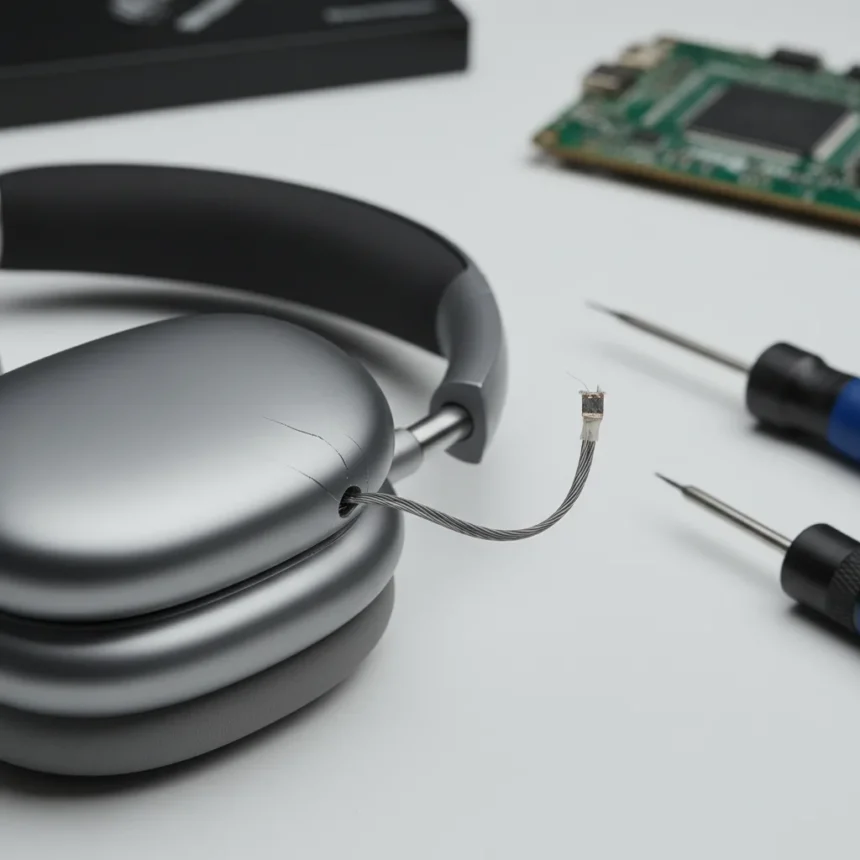
The Apple AirPods Max 2 launched with significant fanfare, but the real issue plaguing these headphones has nothing to do with battery life—it’s a design flaw that affects how the device holds up over time.
Key Takeaways
- Apple AirPods Max 2 faces a critical design problem distinct from battery concerns
- The issue impacts long-term durability and everyday usability
- Design flaws are often overlooked in favor of performance metrics
- This problem affects the device’s practical value despite premium pricing
- Understanding this flaw is essential before purchasing
What’s Actually Wrong With Apple AirPods Max 2
The Apple AirPods Max 2 suffers from a structural design problem that undermines its premium positioning. While reviewers and consumers focus on battery performance, the real weakness lies in how the headphones are engineered for durability and everyday use. This flaw compounds over time, making the device less reliable as a long-term investment despite its high price point.
Design flaws in premium audio equipment are particularly damaging because consumers expect build quality to match the cost. The Apple AirPods Max 2 fails to deliver on this expectation in a way that becomes increasingly apparent with regular use. Unlike performance issues that might improve with software updates, structural problems are permanent and worsen gradually.
Why This Design Problem Matters More Than Battery Life
Battery degradation is inevitable for all wireless headphones and can be managed through charging habits. A design flaw, however, is baked into every unit from the factory. The Apple AirPods Max 2’s structural issue means that even brand-new headphones are susceptible to the same problem, affecting reliability from day one.



This distinction matters for purchasing decisions. Consumers can accept minor battery wear over a two or three-year lifespan, but they cannot accept a design flaw that compromises the physical integrity of the device. The flaw in question directly impacts how the headphones perform their core function and how long they will remain usable.
Apple AirPods Max 2 vs. Competing Flagship Headphones
Rival flagship headphones from Sony, Bose, and Sennheiser prioritize structural durability as a core design principle. These competitors use different materials and construction methods specifically to avoid the type of flaw plaguing the Apple AirPods Max 2. While no headphone is perfect, the engineering choices made by competitors suggest that this particular problem could have been avoided with different design priorities.



The premium price of the Apple AirPods Max 2 positions it as a direct competitor to these established audio leaders. Yet the design flaw gives consumers legitimate reason to question whether Apple’s offering delivers the durability and longevity expected at this price tier. Competitors have proven that premium wireless headphones can maintain structural integrity through years of regular use.
Should You Buy the Apple AirPods Max 2?
The decision hinges on your priorities and risk tolerance. If you value seamless Apple ecosystem integration and can accept the design limitation, the Apple AirPods Max 2 still offers strong audio performance. However, if durability and long-term reliability are non-negotiable, this flaw is a serious consideration that cannot be ignored.
For users planning to keep headphones for several years, the structural problem represents a significant value proposition issue. The device may require replacement or repair sooner than alternatives, offsetting any ecosystem advantages. Budget-conscious buyers should especially weigh this flaw against the premium cost.
Can the Apple AirPods Max 2 design issue be fixed?
No. The flaw is inherent to the device’s construction and cannot be remedied through software updates or user adjustments. Apple would need to redesign the headphones physically to address the problem, which means existing units will retain the weakness indefinitely.



How does this compare to the original AirPods Max?
The original AirPods Max had similar structural concerns, suggesting Apple has not prioritized addressing this type of engineering issue across its audio product line. This pattern raises questions about whether the company views this flaw as acceptable or simply inevitable.
Are there workarounds to prevent damage from the design flaw?
Users can minimize risk through careful handling and protective storage, but these workarounds only slow the inevitable problem—they do not eliminate it. This places the burden on consumers to compensate for poor engineering rather than on Apple to fix it.
The Apple AirPods Max 2 remains a capable audio device, but the design flaw is a legitimate dealbreaker for anyone prioritizing durability. Before spending premium money on these headphones, weigh this structural weakness against your expectations for longevity and reliability.
Where to Buy
Edited by the All Things Geek team.
Source: T3




