Hi-fi bars turntable alternative solutions are reshaping how budget-conscious vinyl fans approach their first system. Rather than investing in separate amplifiers, turntables, and speakers, all-in-one hi-fi bars promise compact, integrated audio in a single unit. But does convenience actually deliver sound quality, or does this shortcut sacrifice the very essence of vinyl listening?
Key Takeaways
- Hi-fi bars combine amplification, phono stages, and speakers in one compact unit designed for space-limited vinyl setups.
- Budget turntables start under £200/$200 with built-in phono stages, offering better sound than all-in-one alternatives.
- Bluetooth integration in modern decks compromises audio fidelity by adding extra electronics and interference.
- Dedicated phono stages yield superior sound compared to built-in versions, though switchable stages allow future upgrades.
- Vibration isolation through wall mounts or platforms is essential for turntable performance, a factor hi-fi bars often overlook.
What Are Hi-Fi Bars and Why Vinyl Fans Consider Them
Hi-fi bars are compact, all-in-one audio solutions designed to eliminate the complexity of building a traditional vinyl system. They combine amplification, phono stages, and built-in speakers into a single chassis, removing the need to source separate components. For renters, apartment dwellers, or anyone with limited space, this appeal is obvious: plug in a turntable, connect power, and listen. No speaker stands, no cable runs, no equipment sprawl.
The vinyl resurgence has made affordable entry points more viable than ever. Budget turntables now start under £200/$200, undercutting the cost of a full hi-fi system by thousands. Yet even these bargain decks require pairing with an amplifier and speakers—a reality that pushes total system cost higher and demands more room. Hi-fi bars sidestep this friction, positioning themselves as the lazy listener’s answer to vinyl’s traditional complexity.
But convenience always extracts a price. The question is not whether hi-fi bars work—they do—but whether they deliver the sound quality that makes vinyl worth playing in the first place.



The Sound Quality Compromise: Why All-in-One Audio Falls Short
Here is the hard truth: hi-fi bars compromise sound quality by design. Bluetooth integration, a selling point for modern decks, introduces extra electronics and interference into the signal chain. Wireless transmission of vinyl audio defeats the purpose of playing records in the first place. You lose the lossless, direct connection that makes analog listening rewarding.
Built-in phono stages present a second compromise. While they simplify setup for beginners, they are engineered within tight constraints of cost and unit size. Dedicated phono stages—the kind you would add as a separate component—yield noticeably better sound by isolating the delicate cartridge signal from other amplification circuits. The research is unambiguous: switchable phono stages in amplifiers allow future upgrades, but integrated solutions lock you into compromised performance.



A full system—say, a NAD C 3050 amplifier (£1699/$2199), Pro-Ject Debut Evo 2 turntable (£739/$943), and KEF Q3 Meta speakers (£649/$900)—totals £3087/$4042, but each component is optimized for its role. A hi-fi bar attempts to do three jobs at once, and the result is a jack-of-all-trades, master of none. Budget turntables like the Primary E, a What Hi-Fi? Awards winner for six consecutive years, deliver better sound at under £200/$200 with built-in phono and Bluetooth for up to eight devices. That leaves room in the budget for an active speaker or amplifier without sacrificing audio fidelity.
Vibration Isolation and Physical Setup Matter More Than You Think
One overlooked factor separates serious vinyl playback from casual listening: vibration isolation. Turntables are mechanical devices sensitive to floor vibrations, air pressure changes, and resonance from nearby speakers. Wall mounts and isolation platforms—like those from Pro-Ject—minimize these disturbances and preserve the nuance in your records. Hi-fi bars, built as rigid all-in-one units, rarely address vibration management. They sit on shelves or stands without isolation, letting every footstep and bass note muddy the cartridge signal.
This is not a minor detail. Vinyl’s appeal lies in its analog purity—the direct mechanical transfer of groove information to sound. Vibration degrades that purity instantly. A £200 turntable on an isolated platform will outperform a £500 hi-fi bar without it, simply because the physical environment matters as much as the electronics.
When Hi-Fi Bars Actually Make Sense
Hi-fi bars are not worthless. For absolute beginners with severe space constraints and no budget flexibility, they lower the barrier to entry. Someone in a studio apartment who wants to try vinyl without committing to a full system might reasonably choose an all-in-one. But this is a trial device, not a destination.

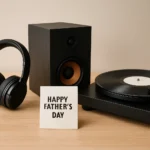

The honest assessment: hi-fi bars suit people who value convenience over sound quality. If you are willing to accept Bluetooth compromises, built-in phono stage limitations, and lack of vibration isolation, a hi-fi bar works. If you actually care about why vinyl sounds better than streaming—the detail, the warmth, the physicality of the medium—you need to build a real system.
Even then, you do not need to spend £3000. A Primary E turntable under £200, paired with a budget amplifier like the Rotel A8, Marantz PM6007, Rega io, or Cambridge Audio AXA35—all of which integrate phono stages—and a pair of active speakers creates a system that demolishes any hi-fi bar for less total cost. You get upgradeable components, better sound, and the flexibility to improve individual pieces as your budget allows.
Is a hi-fi bar a worthy alternative to a turntable?
Only if you prioritize space and simplicity over sound. Hi-fi bars eliminate setup friction but sacrifice audio quality through Bluetooth integration, compromised phono stages, and lack of vibration isolation. For serious vinyl listening, separate components—even budget ones—outperform all-in-ones every time.
Can you upgrade a hi-fi bar’s sound later?
Most hi-fi bars are closed systems with no upgrade path. Unlike modular setups with switchable phono stages and separate amplifiers, an all-in-one unit locks you into its original electronics. If you want better sound, you will need to replace the entire unit, not just upgrade one component.
What is the cheapest way to start with vinyl?
A budget turntable like the Primary E under £200/$200, paired with an amplifier featuring a built-in phono stage and a pair of active speakers, delivers the best sound-per-pound. This modular approach costs less than many hi-fi bars while offering superior audio quality and future upgrade potential.
The vinyl revival is real, and the barrier to entry has never been lower. But cheap does not mean cutting corners on sound. Hi-fi bars promise simplicity, and they deliver it—at the cost of the very quality that makes vinyl worth playing. Build a real system instead. Your records deserve it.
Edited by the All Things Geek team.
Source: What Hi-Fi?