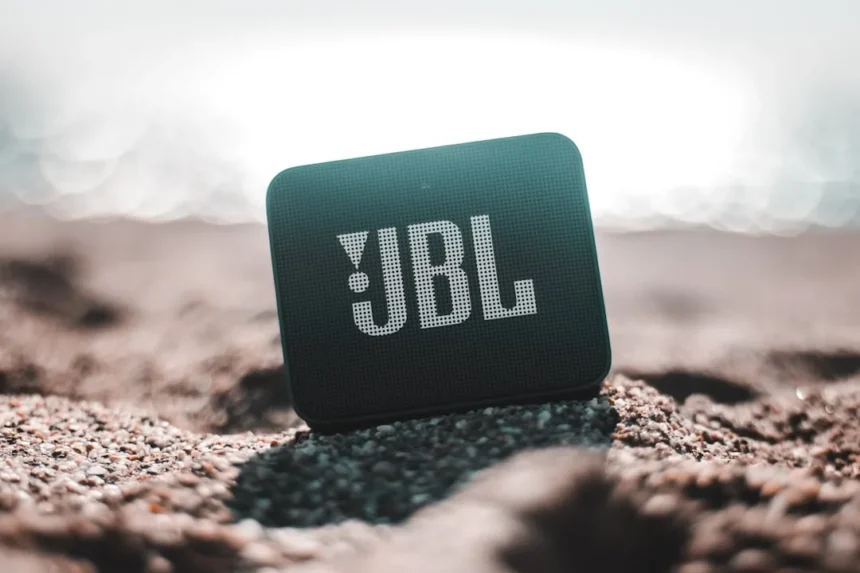
The JBL Go 5 vs Go 4 debate is straightforward if you care about sound. After a two-year gap since the Go 4, JBL released the Go 5 at $54, and it fixes the biggest complaint about its predecessor: pathetic sub-bass. Both speakers cost under $60, fit in your pocket, and survive pool parties. But the Go 5 pulls ahead with noticeably better audio and louder output without the tinny distortion that plagues cheaper rivals.
Key Takeaways
- JBL Go 5 costs $54 versus Go 4 at $49, launching after a two-year wait with improved sound.
- Go 5 adds Bluetooth 6.0 and LC3 codec support, delivering stronger sub-bass and cleaner high-volume audio.
- Both speakers are waterproof, dustproof, and drop-proof for outdoor use and travel.
- Go 4 lacks sub-bass and sounds angle-dependent; Go 5 sounds dynamic straight out of the box.
- Go 5’s battery life trails rivals, a tradeoff for superior sound quality.
Sound Quality: JBL Go 5 vs Go 4 Showdown
The JBL Go 5 vs Go 4 sound difference is immediate and significant. The Go 4 delivers decent mid and bass response with clear audio at high volumes, but it has a critical flaw: almost no sub-bass. This makes it feel thin on bass-heavy tracks. The Go 5 completely reverses this weakness. It packs genuine sub-bass depth, plays extremely loud without tinniness or distortion, and sounds dynamic from the first song you play.
Why the jump? The Go 5 runs Bluetooth 6.0 and supports LC3 codec alongside SBC and AAC, which means better audio quality even at lower bitrates. Tom’s Guide gave the Go 5 a perfect 10/10 in the sound department. Compared to rivals like the Tribit StormBox Mini+ and Tozo PE1, the Go 5 remains noticeably cleaner at maximum volume without the harshness those speakers introduce. The Go 4 is angle-sensitive too—you get the best sound with the JBL logo facing up, an annoying limitation the Go 5 eliminates.
Design and Durability: Both Speakers Excel
The JBL Go 5 vs Go 4 design philosophy is similar but the Go 5 feels more premium. Both are compact and lightweight, fitting easily into backpacks or beach bags. The Go 5 adds a rugged aesthetic with a mesh speaker cover, rubber edges, minimalist styling, and color-matched LED lighting strips that make it feel more refined than its price tag suggests. Controls are straightforward on both: play and volume sit on the top plate, while power, Bluetooth, and Auracast buttons live on the left edge.


Where they truly shine is durability. Both the JBL Go 5 and Go 4 carry IP67/IP68 waterproof ratings and are dustproof and drop-proof. The Go 5 goes further—it’s submersible in 1.5 meters of water for up to 30 minutes. This makes both speakers ideal for pool parties, showers, outdoor adventures, and travel. Neither will break if you drop it or splash it, which is exactly what budget-conscious buyers want.
Battery Life: The One Weakness
The JBL Go 5 vs Go 4 comparison reveals one trade-off: battery endurance. The Go 5 doesn’t match rivals’ battery performance, a compromise Tom’s Guide accepts for the dynamic sound quality. If you need a speaker that runs for days between charges, the Go 4 or competing models like the Anker Soundcore 3 might serve you better. But if you’re powering a single afternoon at the beach or a weekend trip, the Go 5 handles it fine. The exact battery hours aren’t specified in testing, but the gap is noticeable enough that it matters for extended outdoor use.



Price and Value
The JBL Go 5 costs $54 in the US versus the Go 4 at $49—a $5 difference. For that extra five dollars, you’re gaining superior sound, Bluetooth 6.0, stronger sub-bass, and a more premium design. The Go 4 remains a decent option if you’re budget-constrained, but the Go 5 delivers better value at $54. Both sit comfortably under $60, making them accessible to anyone who wants a durable, waterproof speaker without breaking the bank.
Should You Buy the JBL Go 5 Instead of the Go 4?
Yes. The JBL Go 5 vs Go 4 is a clear victory for the newer model. If you’re starting from scratch, spend the extra $5 and get the Go 5. The sub-bass fix alone justifies the upgrade, and the overall sound is so much more refined that you’ll notice it on the first song. The Go 4 is only worth buying if you find it on clearance or if battery life is your absolute priority. For summer parties, pool days, and travel, the Go 5 is the speaker to choose.
Does the JBL Go 5 have better bass than the Go 4?
Yes, significantly. The Go 4 lacks sub-bass almost entirely, making it sound thin on bass-heavy music. The Go 5 delivers strong, present sub-bass that matches or exceeds speakers costing twice as much.
Is the JBL Go 5 waterproof?
Yes. The Go 5 is IP67/IP68 waterproof, dustproof, and drop-proof. It’s also submersible in 1.5 meters of water for 30 minutes, making it safer than the Go 4 for pool and beach use.


How long does the JBL Go 5 battery last?
Battery life is the Go 5’s weakest point compared to rivals, though exact hours aren’t specified in testing. If maximum battery endurance is essential, the Go 4 or competing budget speakers may perform better.
The JBL Go 5 vs Go 4 comparison ends decisively: the Go 5 wins on sound, design, and durability. If you’re shopping for a sub-$60 Bluetooth speaker, the Go 5 is the choice that won’t disappoint you at the beach, in the shower, or at a backyard gathering.
Where to Buy
$54.95 at Amazon | $54.95 at Amazon | $54.95 at Amazon | $44.85 at Amazon | $54
Edited by the All Things Geek team.
Source: Tom's Guide