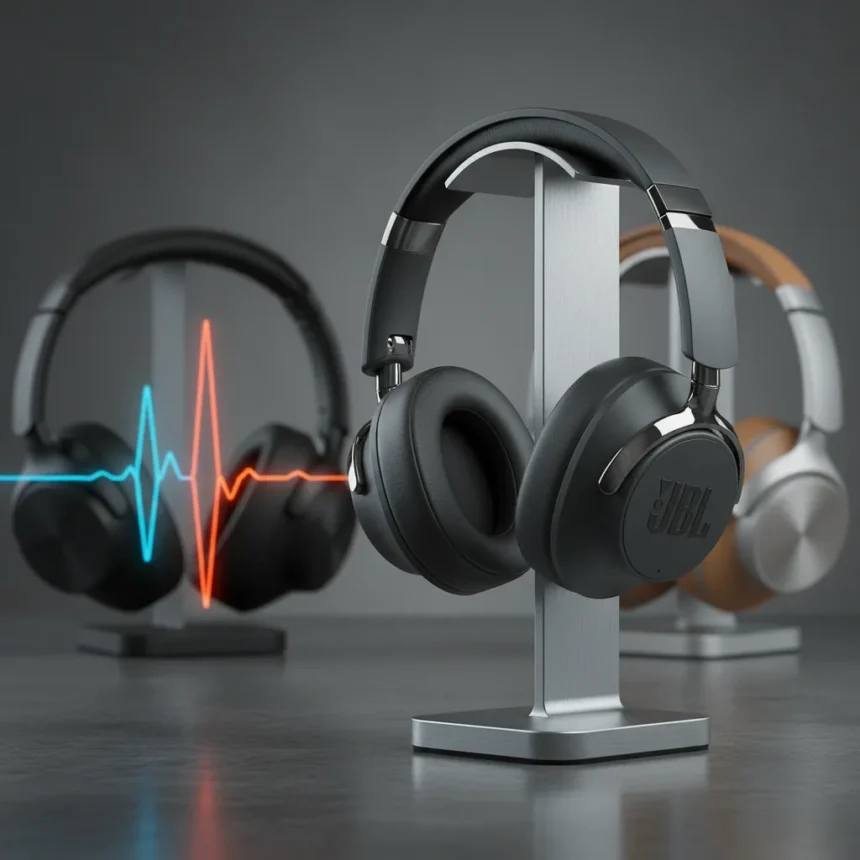
The JBL Tour One M3 is JBL’s flagship wireless headphones receiving a significant sound quality upgrade described as a musical makeover. In a market where Sony’s WH-1000XM6 and Bowers & Wilkins Ultra Headphones (2nd Gen) have set high bars for audio performance, JBL is doubling down on sonic improvement rather than resting on established features.
Key Takeaways
- JBL Tour One M3 delivers a major sonic boost to JBL’s flagship wireless lineup
- The upgrade positions JBL against established competitors like Sony WH-1000XM6 and Bowers & Wilkins Ultra
- JBL continues aggressive innovation in the flagship wireless headphones segment
- The musical makeover targets sound quality as the primary competitive advantage
- Wireless headphone market remains intensely competitive with constant flagship upgrades
What Makes the JBL Tour One M3 Stand Out
The JBL Tour One M3 represents a meaningful step forward in JBL’s approach to flagship wireless audio. Rather than incremental tweaks, JBL has committed to a substantial sonic overhaul described as a big sonic boost, signaling the company’s determination to compete at the highest tier. This isn’t merely a refresh—it’s a recalibration of what JBL believes flagship wireless should sound like.
What separates JBL from some competitors is its willingness to prioritize sound character alongside features. While rivals chase noise cancellation milliseconds or connectivity gimmicks, JBL’s focus on the musical makeover suggests the company understands that listeners increasingly demand headphones that sound genuinely good, not just technically competent. The Tour One M3 directly challenges the assumption that Sony or Bowers & Wilkins own the sonic high ground.
How JBL Tour One M3 Compares to the Competition
The wireless flagship headphone market has become a three-way conversation. Sony’s WH-1000XM6 delivers what reviewers describe as the most detailed, dynamic, precise and open sound heard from a wireless Sony flagship. Bowers & Wilkins Ultra Headphones (2nd Gen) made small but meaningful gains in clarity, detail, solidity, and musical tightness compared to predecessors, shedding excess richness. Both represent formidable benchmarks.



The JBL Tour One M3 enters this conversation not as an underdog but as a serious contender. JBL’s sonic boost strategy suggests the company believes it can match or exceed the detail and precision of Sony while potentially offering a different sonic character than Bowers & Wilkins. The real question isn’t whether JBL can build flagship headphones—it’s whether the Tour One M3’s particular sound signature will resonate with listeners who might otherwise default to established names.
Apple’s rumored AirPods Max 2, featuring an H2 chip and updated DSP with Adaptive EQ, sets another competitive marker. The wireless headphone space has moved beyond simple feature checklists into genuine sonic differentiation. JBL’s commitment to a musical makeover suggests the company recognizes this shift and is responding accordingly.



Why JBL Keeps Pushing the Envelope
JBL remains highly active in the wireless headphones market, showing no signs of slowing down on product launches despite strong competition. This aggressive stance reflects a strategic choice: in a market where Sony dominates mindshare and Bowers & Wilkins commands audiophile respect, JBL competes through relentless innovation and iteration. The Tour One M3 sonic boost is part of a larger pattern of JBL refusing to cede ground to rivals.
The competitive pressure is real. Wireless flagship headphones have become a prestige category where brands build reputation and justify premium pricing. JBL understands that a single generation of headphones—no matter how good—isn’t enough to shift perception. Continuous improvement, meaningful upgrades, and genuine sonic advances are the only way to convince listeners to consider JBL alongside Sony or Bowers & Wilkins when shopping at the top tier.
What We Don’t Know Yet
The research brief reveals that JBL is giving the Tour One M3 a big sonic boost, but specific technical details about what hardware changes, driver improvements, or DSP enhancements drive this upgrade remain unclear. The promotional framing suggests JBL is building anticipation before revealing the full technical picture. This approach—teasing a major sonic improvement without immediate spec drops—is deliberate. It forces the conversation to center on sound character rather than checkbox features.
Should You Care About the JBL Tour One M3?
If you’re shopping for flagship wireless headphones and have been waiting for JBL to make a serious move, the Tour One M3 deserves attention. The sonic boost promise suggests JBL is betting on sound quality as its primary differentiator. Whether that bet pays off depends entirely on the execution—and on whether JBL’s particular sonic character aligns with your preferences.



How does the JBL Tour One M3 compare to Sony WH-1000XM6?
Sony WH-1000XM6 delivers the most detailed, dynamic, precise and open sound from a wireless Sony flagship. The JBL Tour One M3 takes a different approach with its musical makeover, suggesting JBL is targeting a different sonic character rather than trying to out-detail Sony. Both are legitimate flagship choices; the choice depends on whether you prefer Sony’s precision or JBL’s musical emphasis.
Is the JBL Tour One M3 worth upgrading to?
That depends on your current headphones and how much you value sonic improvement. JBL’s commitment to a significant sonic boost suggests meaningful gains over previous generations. If you’re using older JBL flagships or non-flagship wireless headphones, the Tour One M3 likely represents a genuine upgrade worth considering.
What makes the JBL Tour One M3 different from Bowers & Wilkins Ultra?
Bowers & Wilkins Ultra Headphones (2nd Gen) made gains in clarity, detail, solidity, and musical tightness. The JBL Tour One M3 frames its upgrade as a musical makeover, suggesting a slightly different sonic philosophy. Both are flagship-tier options; the choice comes down to whether you prefer B&W’s refined precision or JBL’s musical character.
The JBL Tour One M3 represents a turning point for JBL in the flagship wireless space. The company isn’t content to compete on features or ecosystem integration—it’s betting on sound. Whether that sonic boost delivers the goods remains to be seen, but JBL’s aggressive stance signals that the wireless headphone market’s elite tier is far from settled. For listeners who’ve felt locked into Sony or Bowers & Wilkins, the Tour One M3 offers a credible alternative worth auditioning.
Edited by the All Things Geek team.
Source: What Hi-Fi?