





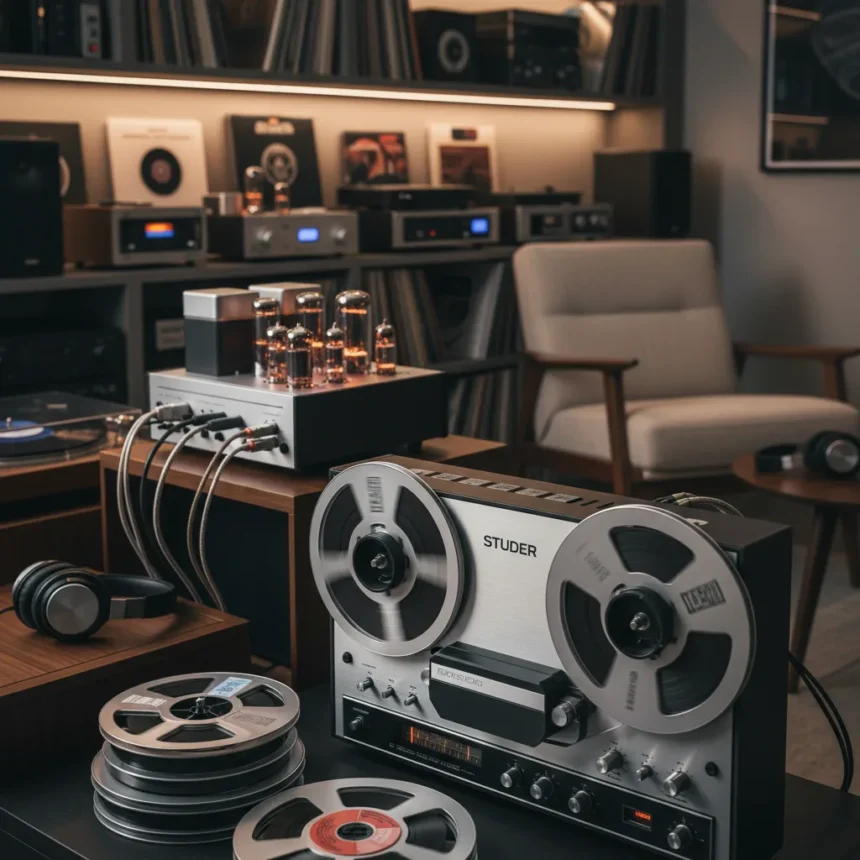
The reel-to-reel tape comeback is reshaping how serious audiophiles think about sound quality. After a decade of vinyl resurgence, the next frontier in analog audio is not cassettes or compact discs—it is the format that defined studio recording and home listening for decades: open-reel tape machines. What Hi-Fi? positions this shift as inevitable: we’ve had the vinyl revival, now comes the reel renaissance.
Key Takeaways
- Reel-to-reel tape is positioned as a premium alternative to vinyl in the current audiophile market.
- The reel-to-reel tape comeback follows the earlier vinyl resurgence, marking a new phase in analog audio interest.
- Open-reel machines represent a niche but growing segment among hi-fi enthusiasts seeking analog sound quality.
- The format’s return reflects broader skepticism toward digital streaming among collectors and purists.
- Reel-to-reel tape requires specialized equipment and knowledge, limiting its appeal to dedicated audiophiles.
Why Reel-to-Reel Tape Is Winning Over Vinyl Enthusiasts
Vinyl dominated the analog revival because it was accessible, affordable, and nostalgic. Reel-to-reel tape is none of those things. It is expensive, requires maintenance, and demands technical knowledge to operate. Yet that friction is precisely why it appeals to a specific breed of audiophile: those who believe vinyl was merely a stepping stone to something better. The reel-to-reel tape comeback reflects a deeper conviction among hi-fi purists that analog formats offer sonic qualities digital cannot replicate, and that tape—not grooved vinyl—represents the truest expression of that philosophy.
The distinction matters. Vinyl is a consumer format; reel-to-reel was the professional standard. Studios recorded on tape. Mastering engineers mixed on tape. The format was engineered for accuracy and fidelity, not mass production. When audiophiles revisit reel-to-reel machines today, they are not chasing nostalgia—they are chasing the source material itself. This positioning elevates the reel-to-reel tape comeback beyond a trend and into a philosophical statement about what high-fidelity audio should be.
Reel-to-Reel Tape vs. Vinyl: The Sound Quality Question
The comparison between reel-to-reel and vinyl is where the reel-to-reel tape comeback gains credibility. Vinyl requires a stylus to track a groove, introducing mechanical wear and surface noise. Tape uses magnetic heads that do not physically damage the recording surface, theoretically allowing for cleaner playback across multiple listens. Additionally, tape machines operate at standardized speeds—typically 7.5 or 15 inches per second—which audiophiles argue provide superior frequency response and lower distortion than the inherent limitations of the vinyl format.



Vinyl’s advantage lies in availability and price. Pressing plants exist worldwide; used turntables flood the secondhand market. The reel-to-reel tape comeback, by contrast, depends on finding working machines from the 1960s through 1980s, sourcing blank tape stock, and locating engineers or collectors willing to sell original recordings. This scarcity is not a bug—it is a feature for enthusiasts who view rarity and difficulty as markers of authenticity and commitment. The format filters out casual listeners, creating an exclusivity that vinyl lost years ago.
The Practical Barriers to the Reel-to-Reel Tape Comeback
The reel-to-reel tape comeback faces real obstacles. Equipment is aging. Blank tape is manufactured by only a handful of suppliers. Technicians who service tape machines are retiring faster than new ones are being trained. A functioning reel-to-reel deck can cost thousands of dollars on the secondhand market, and restoration can cost thousands more. Unlike vinyl, where a decent turntable starts under $300, entry into reel-to-reel audio requires serious capital and patience.



Yet these barriers do not deter the committed. If anything, the reel-to-reel tape comeback is thriving precisely because it is difficult. Audiophile culture has always been driven by obsession over accessibility. The format’s complexity—understanding bias settings, azimuth alignment, tape speed standards, and demagnetization—appeals to listeners who view technical knowledge as inseparable from sonic appreciation. This is not music listening; it is a craft.
What the Reel-to-Reel Tape Comeback Says About Digital Fatigue
The reel-to-reel tape comeback is also a statement about the limitations of streaming and digital audio. Lossless formats like FLAC and MQA attempt to address quality concerns, but they remain digital—processed through converters, algorithms, and software. Analog tape, by contrast, is purely mechanical. No bits are lost. No compression occurs. For audiophiles skeptical of digital’s promises, tape is not nostalgia—it is a protest.
This skepticism is not universal, and the reel-to-reel tape comeback does not require everyone to abandon streaming. Instead, it represents a segment of listeners willing to invest time and money into formats that feel more direct, more tangible, and less dependent on corporate platforms. In an era of subscription fatigue, the reel-to-reel tape comeback offers something owned, not rented.
Is the reel-to-reel tape comeback sustainable?
The reel-to-reel tape comeback will likely remain a niche market. Equipment scarcity, high costs, and technical requirements prevent mass adoption. However, niche markets can be durable. Vinyl proved that. If manufacturers continue producing blank tape and if a small but dedicated community maintains expertise in restoration and operation, the format could sustain itself indefinitely among serious collectors and studios.



How does reel-to-reel tape sound different from vinyl records?
Reel-to-reel tape avoids the surface noise and mechanical wear inherent to vinyl’s groove system. Tape playback is theoretically cleaner across repeated listens, with better frequency response at higher speeds. However, both are analog formats subject to their own limitations—tape can experience wow and flutter, while vinyl offers superior tactile and visual engagement with album art.
Can you still buy reel-to-reel tapes and machines?
Yes, but with caveats. Used machines are available through specialist dealers and online marketplaces, though prices are high and condition varies. Blank tape is still manufactured by a small number of suppliers. Original recordings on reel-to-reel are scarce but findable through collectors’ networks and specialty audio retailers.
The reel-to-reel tape comeback is not a return to the past—it is a rejection of the present. For audiophiles tired of algorithmic playlists and compressed streams, tape represents a path to sound that feels human, intentional, and unmediated. Whether the format grows beyond its current niche depends less on technical superiority and more on whether a new generation of listeners values difficulty and craft as markers of authenticity. Based on vinyl’s trajectory, that bet looks increasingly sound.
Edited by the All Things Geek team.
Source: What Hi-Fi?




