The NZXT Flex PC rental program is facing a $3.45 million settlement in a civil RICO class-action lawsuit over allegations of deceptive marketing and predatory rental practices that harmed approximately 20,000 customers. Filed in August 2025 in California federal court, the case represents a rare use of organized-crime statutes against a mainstream PC hardware manufacturer, signaling how seriously courts are treating subscription fraud in the gaming hardware space.
Key Takeaways
- NZXT Flex PC rental program settles for $3.45 million in debt forgiveness and PC ownership transfers
- Approximately 20,000 customers eligible for relief, with up to $5,000 in debt forgiven per person
- Lawsuit used civil RICO statutes typically reserved for organized crime cases
- Program advertised as rent-to-own but operated as pure rental with misleading hardware claims
- Settlement pending judge approval as of April 2026
What the NZXT Flex PC Rental Settlement Actually Covers
The settlement breaks down into two primary forms of relief. Customers currently in debt collections can receive up to $5,000 in debt forgiveness. Additionally, $1,216,129 in relief comes through transferring PC ownership to eligible renters—specifically those who have paid for at least two years and believed they would eventually own the computer after a rental period. This dual-relief structure acknowledges both the financial harm and the false ownership promises that defined the NZXT Flex PC rental marketing.
Eligibility for PC ownership transfer requires customers to fill out a form and meet specific payment criteria, meaning not all renters will automatically qualify. The settlement is currently preliminary and pending judge approval, so the final terms could shift before implementation.
How NZXT Deceived Customers Through the Flex PC Rental Program
The core complaint centers on bait-and-switch tactics. NZXT advertised the Flex program as offering no contracts, no commitment, and zero strings attached—language designed to appeal to budget-conscious gamers. The company promised a lifetime warranty and marketed the service as a rent-to-own arrangement, implying ownership would transfer after a period of rental payments. In reality, the NZXT Flex PC rental program operated as a pure rental with no path to ownership built into its terms.


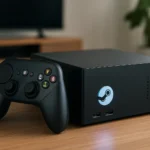
Hardware misrepresentation compounded the fraud. Customers reported receiving used and inferior components compared to what was advertised. One plaintiff expected an RTX 4090 graphics card but received an RTX 4080 instead. This pattern of component substitution was systematic rather than isolated, suggesting deliberate bait-and-switch rather than logistical error. Aggressive fees, inconsistent customer support, and improper billing rounded out the complaints, painting a picture of a program designed to extract maximum revenue from customers who believed they were building toward ownership.
The December 2024 investigation by Gamers Nexus exposed the NZXT Flex PC rental program as fundamentally deceptive, prompting CEO Johnny Hou to post a YouTube apology video acknowledging failures. However, NZXT’s December 2024 promise of clearer disclosures fell short of overhauling the program’s structure or distancing itself from Fragile, the debt collection company administering the scheme. The class-action lawsuit followed months later, treating the deception as a civil RICO violation—a legal theory typically reserved for organized crime enterprises.



Why NZXT Flex PC Rental Used RICO Statutes
Civil RICO (Racketeer Influenced and Corrupt Organizations) is a powerful legal weapon, but courts rarely deploy it against consumer-facing companies. The plaintiffs—Jacob Burns, Jonathan Moulton, and Steven Zou—argued that NZXT and its partner Fragile operated an organized scheme of false advertising, bait-and-switch tactics, and predatory debt collection practices. Using RICO signals that the court viewed the conduct as systematic and intentional rather than as isolated customer service failures.
This legal approach carries symbolic weight. RICO settlements make headlines because they acknowledge that a mainstream company engaged in conduct severe enough to warrant comparison to organized crime. For NZXT, the decision to settle rather than fight suggests the company recognized the strength of the evidence against it. The settlement does not include an admission of wrongdoing, but the $3.45 million payout and debt forgiveness speak louder than any courtroom denial could.
What Happens Next for NZXT Flex PC Rental Customers
Eligible customers will need to file claims to receive relief. Those seeking PC ownership must submit documentation proving they paid for at least two years and believed they would eventually own the computer. Those in debt collections can apply for up to $5,000 in forgiveness. The process requires active participation—customers cannot expect automatic restitution.
For NZXT, the settlement is a financial and reputational blow. The company must implement clearer disclosures and face ongoing scrutiny from regulators and consumer advocates. The NZXT Flex PC rental program itself remains operational, but under heightened legal and public scrutiny. Whether the company restructures the program fundamentally or simply improves its marketing language remains to be seen.


How Does This Compare to Other Gaming Hardware Rental Services?
Gaming PC rental services exist in various forms—some legitimate, others predatory. The NZXT Flex PC rental program’s deception lay not in offering rentals (which can be a valid business model) but in marketing a pure rental as a path to ownership. Legitimate subscription services disclose upfront that you are renting, not building equity. NZXT’s marketing deliberately blurred this line, exploiting customers’ desire to own gaming hardware while paying in installments.
The settlement establishes a precedent: courts will now treat misleading rent-to-own claims in gaming hardware with the same seriousness as predatory lending schemes. Other companies offering similar programs should expect increased regulatory attention and potential litigation if their marketing overstates ownership prospects.
Is the NZXT Flex PC rental settlement final?
No. The settlement is preliminary and pending judge approval as of April 2026. The court must review the terms to ensure they adequately compensate harmed customers and serve the interests of justice. Final approval could take additional months, and the specific relief amounts or eligibility criteria could change during this process.
How much money will I get from the NZXT Flex PC rental settlement?
Relief depends on your situation. If you are in debt collections, you can receive up to $5,000 in debt forgiveness. If you have paid for at least two years and believed you would eventually own the computer, you may be eligible to receive ownership of your PC. You will need to submit a claim form with supporting documentation to receive either form of relief.
Can I get my money back if I paid off my NZXT Flex PC rental contract early?
The settlement focuses on debt forgiveness for customers in collections and ownership transfer for long-term renters. Customers who paid off their contracts in full before the lawsuit may not qualify for the primary relief mechanisms. However, you may have grounds to file an individual claim or pursue separate legal action, depending on your jurisdiction and the specific terms of your rental agreement.
The NZXT Flex PC rental settlement represents a watershed moment for consumer protection in gaming hardware. By treating deceptive rental marketing as a RICO violation, the court signaled that companies cannot exploit customers’ aspirations to own gaming equipment through misleading language and bait-and-switch tactics. For the 20,000 harmed customers, the settlement offers partial restitution. For the industry, it serves as a warning: predatory subscription schemes now face serious legal consequences.
Edited by the All Things Geek team.
Source: Tom's Hardware