





Pre-built gaming PCs have become the smarter choice for most gamers, especially when component prices fluctuate. Rather than assembling a custom rig and absorbing the cost of expensive RAM, buying a ready-made system from manufacturers like iBUYPOWER can save you hundreds of dollars while delivering the same performance.
Key Takeaways
- Pre-built gaming PCs cost significantly less than DIY builds when RAM prices spike.
- iBUYPOWER systems with AMD Ryzen 7 9800X3D processors start at $2,099.
- Ready-made rigs eliminate the complexity of component selection and compatibility risk.
- Bulk purchasing power allows manufacturers to negotiate better component prices than individual builders.
- Pre-built systems come with warranty support and technical assistance out of the box.
Why Pre-Built Gaming PCs Offer Real Savings
The economics of pre-built gaming PCs have shifted dramatically in favor of manufacturers. When you build your own system, you pay retail prices for every single component—CPU, GPU, motherboard, power supply, and RAM. Manufacturers, by contrast, purchase components in massive volume and negotiate significantly lower per-unit costs. Those savings get passed to the consumer, not absorbed into marketing budgets or retailer margins.
RAM pricing is the clearest example of where pre-built systems win. Memory costs swing wildly based on supply and demand. A builder who sources 32GB of DDR5 RAM today might pay $150 to $200 for that module at retail. Manufacturers buying thousands of units simultaneously lock in wholesale rates that individual consumers simply cannot access. That difference alone can represent 20 to 30 percent of a custom build’s total cost.
The iBUYPOWER Ryzen 7 9800X3D lineup demonstrates this advantage clearly. Systems featuring this high-performance processor start at $2,099, undercutting what most DIY builders would spend assembling equivalent configurations. When you factor in the time spent researching components, managing compatibility, and handling returns if a part fails, the financial advantage becomes even more compelling.


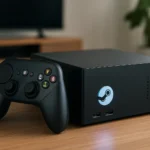
Pre-Built Gaming PCs vs. DIY: The Hidden Costs of Building
Building your own gaming PC carries costs beyond the component price tags. First, there’s the learning curve. Choosing the right motherboard for your CPU, ensuring your power supply has enough headroom, verifying RAM compatibility with your specific board—these decisions require research that most casual gamers find tedious or intimidating. One wrong choice cascades into returns, restocking fees, and delays.
Second, there’s the warranty fragmentation. When you assemble a PC yourself, each component comes with its own warranty from its manufacturer. If your system fails, you must contact the component maker, not the retailer. Troubleshooting becomes your responsibility. Pre-built systems consolidate that risk. A single warranty covers the entire machine, and the manufacturer handles diagnostics and replacement.



Third, there’s the opportunity cost. Building a PC takes time—research, shopping, assembly, testing, and troubleshooting if something doesn’t work. For gamers who want to play now, not tinker for weeks, pre-built systems eliminate that friction. You unbox, plug in, and start gaming within an hour.
What Pre-Built Gaming PCs Deliver Today
Modern pre-built gaming PCs are no longer underpowered or overpriced. Systems featuring the AMD Ryzen 7 9800X3D processor deliver latest gaming performance with configurations that include RTX graphics cards, 32GB of DDR5 RAM, and 2TB NVMe storage. These specs match or exceed what most DIY builders assemble, yet the pre-built versions cost less because of manufacturer scale.
Retailers like Best Buy, Newegg, and Micro Center stock pre-built systems with aggressive discounts. Some configurations show savings of $250 or more compared to component-by-component pricing. During seasonal sales, those discounts widen further, making pre-built gaming PCs an even stronger value proposition.
The performance tier matters less than the value proposition. Whether you’re targeting 1440p gaming at high refresh rates or 4K at 60fps, pre-built systems offer configurations for every budget and use case. You’re not sacrificing performance—you’re gaining affordability and peace of mind.

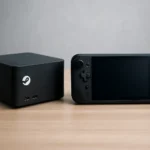

Should You Still Build Your Own?
DIY building remains sensible for a specific audience: enthusiasts who want absolute control over component selection, overclockers who demand specific hardware revisions, or builders with niche use cases like streaming or 3D rendering that require customization. For everyone else—casual gamers, upgrade-seekers, and performance-conscious buyers on a budget—pre-built gaming PCs make financial and practical sense.
The RAM cost spike that triggered this shift toward pre-built systems shows no sign of reversing. As long as component prices remain volatile, manufacturers’ ability to lock in bulk pricing will continue to benefit consumers who buy ready-made systems. The DIY advantage of customization no longer justifies the cost premium.
Do pre-built gaming PCs come with warranties?
Yes. Pre-built gaming PCs typically include manufacturer warranties that cover the entire system, not individual components. iBUYPOWER and other major manufacturers provide technical support and replacement service, eliminating the hassle of contacting multiple component makers if something fails.
Can you upgrade a pre-built gaming PC later?
Absolutely. Pre-built systems use standard components, so you can upgrade the GPU, add more RAM, or swap the storage drive just as you would in a DIY build. Many manufacturers use industry-standard motherboards and power supplies that support future upgrades without compatibility issues.
Are pre-built gaming PCs better for beginners?
Yes. Pre-built gaming PCs eliminate the research, compatibility checking, and assembly work that intimidates new builders. You get a tested, working system immediately, with support available if problems arise. For someone new to PC gaming, a pre-built rig removes the learning barrier entirely.
The case for pre-built gaming PCs is stronger than it has ever been. Manufacturers leverage scale to deliver better value than DIY builds, especially when RAM prices spike. Unless you need absolute customization or enjoy the building process itself, buying a ready-made system saves money, time, and stress. That’s not a compromise—it’s smart shopping.
Edited by the All Things Geek team.
Source: Windows Central




