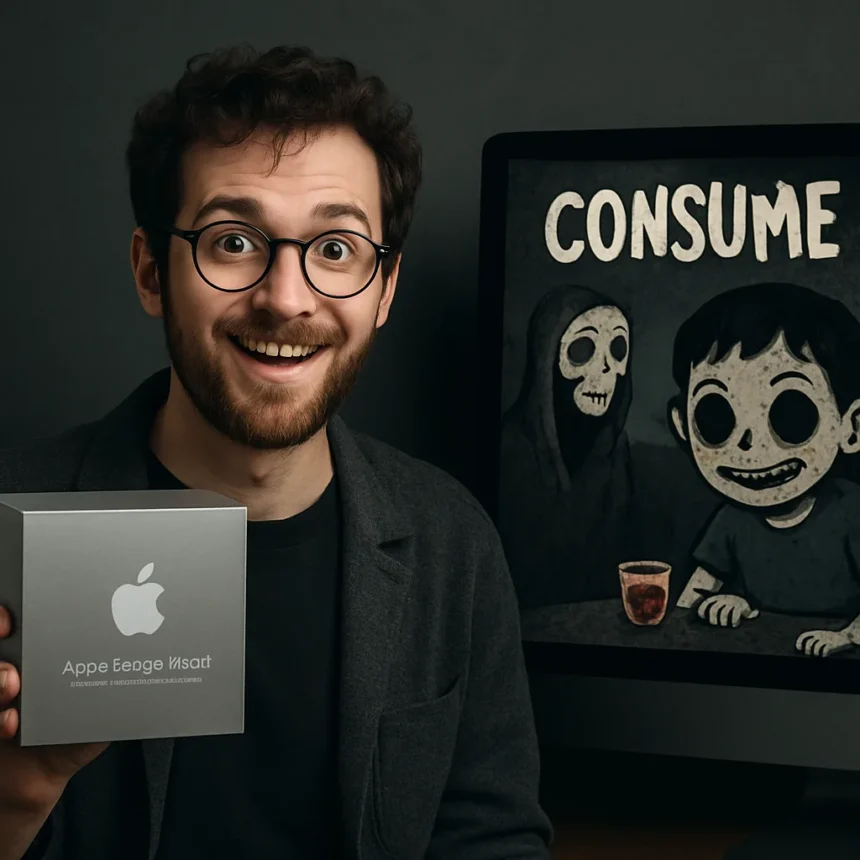
Consume Me, a light-hearted coming-of-age life sim with a darker undertone, has won a 2026 Apple Design Award, marking a significant moment for low-fidelity indie games on Apple platforms. The game’s visually distinct, cute-looking art style deliberately hides a more complex and darker side, creating an experience that challenges expectations about what award-winning games should look like.
Key Takeaways
- Consume Me won a 2026 Apple Design Award with a deliberately low-fi aesthetic that subverts player expectations.
- The game uses a cute, approachable art style that conceals darker thematic content rooted in real-world experiences.
- Low-fidelity graphics are gaining recognition from major platforms, moving beyond the dominance of high-polish production values.
- Consume Me’s success reflects Apple’s broader commitment to recognizing diverse gaming experiences across its devices.
- The game draws from personal experiences with dieting and eating, grounding its dark humor in authentic narrative.
Why Low-Fi Games Are Finally Getting Their Due
For years, the gaming industry treated high-fidelity graphics as the primary measure of quality and achievement. Consume Me’s Apple Design Award win signals a fundamental shift in how major platforms evaluate game design. The award recognizes that visual polish is not synonymous with artistic merit or player engagement. A game can be deliberately minimal, even crude-looking, and still deliver meaningful creative statements. This is a watershed moment for indie developers who have been working in low-fidelity styles not out of limitation, but as a deliberate artistic choice.
The broader gaming landscape increasingly validates this approach. The Independent Games Festival, for instance, has demonstrated that high-fidelity graphics are not prerequisites for major recognition. Yet Apple’s formal design award—a prize from a company known for premium hardware and polished aesthetics—sends an unmistakable message: artistic vision matters more than rendering power. For indie developers with small budgets and large ambitions, this is permission to stop chasing graphical fidelity and start perfecting their creative voice.
Consume Me’s Dark Comedy Rooted in Personal Truth
What makes Consume Me distinctive is how its approachable exterior masks a more complex interior. The game is based on the developer’s own experiences with dieting and eating, transforming personal struggles into darkly comic narrative material. This grounding in authentic experience gives the game weight that purely technical achievement cannot provide. Players encounter a game that looks friendly and inviting, then discover layers of meaning tied to real human vulnerability.


This design philosophy—cute aesthetics hiding darker content—has become increasingly common in indie games, yet few execute it as effectively. Consume Me succeeds because the contrast is intentional and purposeful, not accidental. The low-fi visual style becomes part of the thematic statement rather than a limitation to overcome. The game asks players to sit with discomfort while enjoying something that initially appears charming and harmless.
What Consume Me’s Win Means for Apple Gaming
Apple’s gaming ecosystem has long been overshadowed by mobile-focused titles and ports of established franchises. The Consume Me award demonstrates Apple’s commitment to recognizing the breadth of gaming experiences available on its devices. This is not about raw processing power or graphical supremacy—it is about acknowledging that creative, meaningful games come in all aesthetic packages.



For players exploring games on Apple platforms, the award serves as a signal that discovery goes beyond mainstream titles. It encourages developers to submit unconventional work and tells players to look beyond the obvious bestsellers. In an ecosystem often dominated by polished, commercially safe games, recognition for a darkly comic indie title about personal eating experiences is genuinely radical.
Does Consume Me prove indie games deserve equal recognition?
Yes. The 2026 Apple Design Award validates what independent developers have long argued: creative vision and emotional authenticity matter more than production budgets. Consume Me’s win alongside other diverse gaming experiences shows that Apple recognizes quality across the entire spectrum of game design, from AAA productions to solo-developer projects.
What makes Consume Me’s art style effective despite being low-fi?
The game’s cute, approachable visual aesthetic creates a deliberate contrast with its darker thematic content rooted in personal experiences with eating and dieting. This tension between appearance and substance is the entire point—players expect one experience and discover another, making the game’s message more impactful than if it looked as dark as it feels.
How does Consume Me compare to other award-winning indie games?
While many indie games prioritize visual polish or technical innovation, Consume Me stands out by using low-fidelity aesthetics as a deliberate artistic choice rather than a constraint. This approach mirrors the broader shift at festivals like the IGF, where high-fidelity graphics are not prerequisites for major recognition. Consume Me proves that a game’s impact depends on its creative direction, not its rendering quality.


Consume Me’s Apple Design Award win is not just about one game—it is a statement that the gaming industry’s definition of excellence is finally expanding. In an era when indie developers have proven they can tell stories as compelling as any major studio, recognition from platforms like Apple matters. It tells the next generation of creators that their vision, however unconventional or low-fi, deserves a place at the table.
Edited by the All Things Geek team.
Source: Creativebloq