The cozy gaming trend is reshaping how millions of players approach their hobby. Rather than chasing competitive rankings or racing against timers, cozy gaming trend enthusiasts seek experiences built explicitly for relaxation, low stakes, and creative exploration. This shift reflects a broader cultural push toward mental wellness in entertainment—gaming as meditation rather than adrenaline.
Key Takeaways
- Cozy gaming trend prioritizes relaxation and low-stress gameplay over competition and difficulty.
- The movement has grown into a recognizable genre with dedicated fan communities worldwide.
- Stress-free games offer genuine alternatives to high-intensity competitive titles.
- The trend spans multiple platforms and game types, from narrative adventures to creative simulations.
- Player wellness and burnout prevention are driving mainstream interest in cozy gaming trend experiences.
What Defines the Cozy Gaming Trend
The cozy gaming trend refers to a growing movement of games designed specifically to reduce player stress and foster relaxation through low-pressure gameplay mechanics. Unlike competitive shooters, battle royales, or skill-based challenges that demand reflexes and strategic pressure, cozy gaming trend titles eliminate timers, fail states, and punishment systems. Instead, they emphasize exploration, creativity, storytelling, and gentle progression at the player’s own pace. The core philosophy is simple: gaming should feel like a warm blanket on a cold day, not a fight for survival.
What makes the cozy gaming trend distinct is its intentionality. These are not casual games by accident—they are carefully designed experiences where every mechanic, visual style, and audio choice serves the goal of creating calm. Soft color palettes, ambient soundtracks, forgiving puzzle design, and narrative depth replace jump scares, ticking clocks, and permadeath mechanics. Players can pause whenever they want, explore without consequence, and spend as much time as needed on a single task.
Why the Cozy Gaming Trend Resonates Now
Gaming burnout has become a real concern in mainstream culture. Competitive ranked systems, battle passes with seasonal deadlines, and always-online requirements have turned play into obligation for many. The cozy gaming trend offers a counter-movement: a deliberate return to games that respect the player’s time and emotional state. This resonates particularly with players returning to gaming after years away, parents seeking guilt-free relaxation, and anyone exhausted by the pressure baked into modern online multiplayer culture.


The timing is significant. As discussions around digital wellness and screen time have intensified, cozy gaming trend titles have gained visibility in mainstream gaming media and streaming platforms. What once felt niche—a player talking about farming simulators or fishing games as serious entertainment—now feels mainstream. This cultural shift has encouraged major publishers and indie developers alike to explore cozy gaming trend mechanics, knowing there is genuine demand for stress-free experiences.
The cozy gaming trend also reflects changing player demographics. Older players, working parents, and people managing anxiety or depression actively seek games that support rather than undermine their mental health. Gaming is no longer positioned as escape from life’s pressures but as a tool for managing them. That philosophical shift has legitimized the entire cozy gaming trend category in ways that felt impossible five years ago.
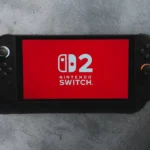


Cozy Gaming Trend vs. Traditional Competitive Gaming
The contrast between cozy gaming trend titles and traditional competitive games is fundamental. Competitive games thrive on scarcity—limited resources, ranked leaderboards, seasonal resets that erase progress, and the constant threat of losing. They are designed to keep players engaged through variable reward schedules and the promise of mastery. Cozy gaming trend games reject this model entirely. There is no leaderboard, no rank to defend, no opponent to beat. Progress is personal and permanent. A puzzle solved stays solved. A garden planted stays planted.
This difference extends to visual and audio design. Competitive games often use bright, saturated colors and aggressive soundscapes to heighten tension and focus. Cozy gaming trend aesthetics favor muted tones, hand-drawn art styles, and gentle ambient music. The pacing differs too—competitive games demand quick decisions and fast reflexes, while cozy gaming trend experiences reward patience and exploration. A player can spend thirty minutes watering virtual plants without any sense of wasted time or failure.
The business model difference is equally stark. Competitive games rely on engagement metrics, daily login streaks, and seasonal content drops to retain players. Cozy gaming trend titles often embrace finite narratives or open-ended play without artificial deadlines. Some charge a one-time price and ask nothing more. Others use cosmetic-only monetization that never gates core gameplay. This trust in the player experience—rather than manipulation through FOMO or battle pass anxiety—is central to why cozy gaming trend games feel fundamentally different to play.
The Broader Impact of the Cozy Gaming Trend
The cozy gaming trend is reshaping industry priorities. Major studios are now greenlighting relaxation-focused projects that would have seemed commercially risky a decade ago. Independent developers have found massive audiences by focusing entirely on cozy gaming trend mechanics. Streaming platforms have created dedicated cozy gaming trend categories, signaling that this is no longer a subcultural preference but a legitimate market segment.


This shift also influences how existing franchises evolve. Established game series now often include cozy gaming trend modes or spin-offs alongside their traditional competitive offerings. Players expect choice—the option to engage with a game’s world on their own terms, without pressure. The cozy gaming trend has normalized this expectation, making it harder for any major release to ignore relaxation-focused gameplay entirely.
The cultural validation matters too. Gaming journalists, streamers, and industry figures openly discussing cozy gaming trend experiences as legitimate and valuable has removed stigma from playing games for relaxation rather than achievement. Parents are more likely to approve of cozy gaming trend play for their children. Adults feel less defensive about choosing a farming simulator over a competitive shooter. The cozy gaming trend has given permission to play differently.
How to Explore the Cozy Gaming Trend
If you are new to cozy gaming trend experiences, start by identifying what type of relaxation appeals to you. Some players love narrative-driven adventures where story unfolds at a gentle pace. Others prefer creative expression through building, decorating, or farming systems. Still others seek puzzle-solving without time pressure or exploration without combat. The cozy gaming trend is broad enough to accommodate all these preferences.
Platform choice matters less than it once did. The cozy gaming trend thrives across PC, console, and mobile devices. Some titles are exclusive to one platform, but the genre is well-represented everywhere. Price is also flexible—many beloved cozy gaming trend games cost less than $20, while others are free-to-play without aggressive monetization. The barrier to entry is genuinely low.
Communities around cozy gaming trend titles are generally welcoming and helpful. Online forums, subreddits, and Discord servers dedicated to specific games or the broader cozy gaming trend movement share recommendations, tips, and creative content. These spaces celebrate slow play and patient exploration rather than speedruns or optimization, making them supportive environments for players of all skill levels.
Is the cozy gaming trend here to stay?
Yes. The cozy gaming trend reflects fundamental changes in how people view entertainment and wellness. As long as players experience burnout from competitive pressure and seek mental health support through gaming, cozy gaming trend titles will remain relevant. The trend has moved from niche to mainstream—it is now a permanent part of the gaming landscape rather than a temporary fad.
What platforms support cozy gaming trend experiences best?
All major platforms—PC, PlayStation, Xbox, Nintendo Switch, and mobile—have strong cozy gaming trend libraries. Nintendo Switch is particularly popular because its portable nature suits relaxed, session-based play. PC offers the widest selection of indie cozy gaming trend titles. The best platform depends on your existing hardware and preferred game types.
Can you play cozy gaming trend games competitively or for high scores?
Most cozy gaming trend games do not include competitive modes or leaderboards by design. However, many players create personal challenges—speedruns, self-imposed difficulty modifiers, or creative constraints. The cozy gaming trend respects player autonomy, so if you want to challenge yourself, you can. The game will not force you to, and that freedom is the entire point.
The cozy gaming trend represents a fundamental shift in gaming culture—one that prioritizes player wellbeing over engagement metrics and respects personal pace over external pressure. Whether you are a veteran gamer seeking refuge from burnout or someone returning to gaming after years away, cozy gaming trend titles offer something increasingly rare in entertainment: a space designed for genuine relaxation without hidden costs or hidden agendas.
Where to Buy
Animal Crossing | Disney Dreamlight Valley | Tiny Bookshop | 10% OFFNintendoAnimal Crossing: New Horizons – Nintendo Switch 2AU$79AU$87.95shop now | Silver Lining InteractiveTiny Bookshop – Nintendo SwitchAU$67.30shop now
Edited by the All Things Geek team.
Source: Tom's Guide