Game Pass ARM support remains fragmented across platforms, with Kingdom Come Deliverance II now demonstrating the gap between Steam and Microsoft’s own Xbox app on ARM-based Windows devices. The medieval RPG runs natively on ARM processors through Steam but lacks native ARM support through the Xbox app, creating a frustrating disparity for players on ARM hardware like Snapdragon X chips.
Key Takeaways
- Kingdom Come Deliverance II supports native ARM on Steam but not via Xbox app
- Game Pass ARM support inconsistency highlights Microsoft’s platform fragmentation
- ARM-based Windows devices cannot access full native performance through Xbox app
- Steam’s ARM compatibility outpaces Microsoft’s first-party gaming ecosystem
- Disparity suggests Game Pass needs better ARM optimization strategy
The Game Pass ARM support problem
Microsoft’s Game Pass service faces a credibility crisis on ARM hardware. Kingdom Come Deliverance II exemplifies the problem: Steam delivers native ARM performance while the Xbox app forces ARM users into compatibility layers or emulation, degrading frame rates and responsiveness. This is not a technical limitation—it is a platform prioritization failure.
The issue cuts deeper than one game. Game Pass ARM support remains inconsistent across the service’s catalog. When Snapdragon X laptops arrived in 2024, Microsoft promised seamless gaming. Instead, players discovered that many Game Pass titles either run through translation layers or lack ARM optimization entirely. Developers have no unified path to optimize for ARM through Microsoft’s ecosystem, while Steam’s straightforward ARM support encourages native ports.
Why Steam wins where Xbox app stumbles
Steam’s approach to ARM support is straightforward: developers get clear documentation, testing frameworks, and a motivated user base. Valve treats ARM as a first-class platform, not an afterthought. Kingdom Come Deliverance II’s native ARM availability on Steam proves developers will optimize when the path is clear and the audience exists.

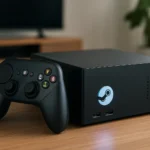
Microsoft’s Xbox app, by contrast, offers no equivalent incentive structure. Game Pass ARM support appears reactive rather than strategic. There is no prominent ARM certification program, no developer outreach campaign, no clear roadmap. The result: publishers optimize for Steam’s ARM audience first, leaving Xbox app players behind. This is backwards. Microsoft owns the platform, the game service, and the financial leverage to demand better.
What Game Pass ARM support means for Windows on ARM
Snapdragon X and future ARM processors represent the future of thin-and-light Windows devices. If Game Pass cannot deliver native performance on these chips, the service becomes a liability, not a selling point. Players buying ARM laptops expect Game Pass to be a premium experience. Instead, they get a second-class version.
The Kingdom Come Deliverance II disparity signals a broader problem: Game Pass ARM support lacks executive priority. Microsoft has invested billions into Game Pass but seemingly overlooked the most obvious optimization gap on its own hardware platform. This negligence is particularly damaging because ARM adoption is accelerating. Every month without a unified ARM strategy costs Microsoft goodwill and competitive ground to Steam.
Can Microsoft fix Game Pass ARM support?
Yes, but it requires real commitment. Microsoft should establish a formal ARM certification program for Game Pass titles, similar to what Steam has built. Developers need clear performance targets, testing tools, and financial incentives to optimize for ARM. Microsoft should also audit its existing catalog and publicly commit to native ARM support for top 100 Game Pass games within 12 months.
Without intervention, the gap will widen. As ARM hardware becomes standard, players will default to Steam where native performance is guaranteed. Game Pass will become the platform you use when a game is not available elsewhere—the opposite of what Microsoft intended.
Is Kingdom Come Deliverance II the only Game Pass ARM problem?
No. Kingdom Come Deliverance II is simply the most visible example because it proves Steam’s technical capability while exposing Xbox app’s failure. Many other Game Pass titles likely suffer from the same disparity, but they receive less attention because they lack Steam equivalents for direct comparison.


Will Microsoft add native ARM support to the Xbox app?
Microsoft has not announced a timeline. The company’s silence on Game Pass ARM support is itself telling. If native ARM optimization were a priority, Microsoft would be marketing it aggressively. The absence of messaging suggests the feature remains deprioritized internally.
Kingdom Come Deliverance II’s ARM gap is not a technical oversight—it is a strategic choice. Microsoft chose not to invest in matching Steam’s ARM support on its own platform. That choice is costing the company credibility with a growing audience of ARM device owners. Until Microsoft treats Game Pass ARM support as a core competitive feature, not a nice-to-have afterthought, these disparities will keep appearing. The medieval RPG is just the first public embarrassment.
Edited by the All Things Geek team.
Source: Windows Central