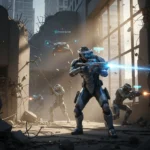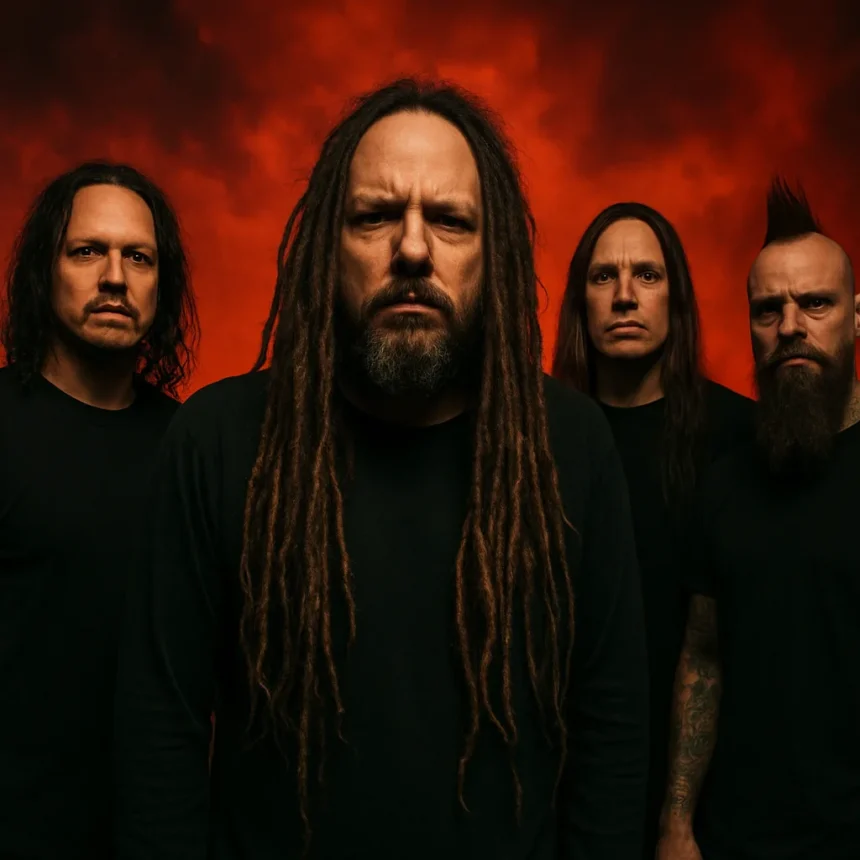
Korn just ended a four-year silence with a single explicitly inspired by Diablo 4’s Lord of Hatred expansion, and the timing is too deliberate to ignore. The nu-metal veterans dropped “Reward the Scars” ahead of the expansion’s April 28, 2026 launch, marking their first release since 2022. This is not a coincidence—it is a calculated move that reveals how AAA game studios now treat legacy artists as marketing assets, dragging dormant bands back into the spotlight to amplify expansion launches.
Key Takeaways
- Korn released “Reward the Scars,” their first song since 2022, directly inspired by Diablo 4’s Lord of Hatred expansion.
- Diablo 4 Lord of Hatred launches globally on April 28, 2026, positioning itself as a major content reset.
- The expansion promises to address community feedback and “fix Diablo 4 for good,” according to developer messaging.
- Speculation surrounds future Diablo content, including potential sequels and additional expansions beyond Lord of Hatred.
- Korn’s return suggests gaming studios now view established artists as essential marketing infrastructure, not afterthoughts.
Why Blizzard Needed Korn More Than Korn Needed Blizzard
Diablo 4 Lord of Hatred arrives at a critical juncture for Blizzard. The base game faced criticism around launch, and the studio has spent years iterating on seasonal content and balance changes. By April 2026, the expansion must deliver on a promise Blizzard made repeatedly to players: that this update would fundamentally improve the game. Attaching a recognizable band to the launch is not nostalgia marketing—it is damage control disguised as celebration.
Korn’s involvement signals confidence, even if that confidence is manufactured. When a band with decades of cultural weight ties their first new material in years to your product, players interpret it as validation. The studio gets credibility transfer. The band gets relevance. It is a transaction dressed up as artistic collaboration.
The Diablo 4 Lord of Hatred Expansion Promises Major Changes
The Lord of Hatred expansion is marketed as a reset moment for Diablo 4. Community feedback has been relentless—complaints about itemization, build diversity, endgame progression, and seasonal fatigue have defined the game’s post-launch discourse. Blizzard’s messaging suggests this expansion addresses those systemic issues rather than simply adding new zones and monsters.


What makes this credible is the scale. A typical seasonal update tweaks numbers and adds cosmetics. An expansion-level launch paired with industry artist involvement implies structural changes. Whether the April 28, 2026 release delivers on that promise will determine if Korn’s involvement looks like genius marketing or desperate window dressing.
Future Diablo Content Remains Speculative
The Lord of Hatred branding opens questions about what comes next. Community discussions speculate about potential expansions named Lord of Destruction or Lord of Terror, or even a full Diablo 5 sequel. None of this is confirmed. Blizzard has not publicly outlined a roadmap beyond April 2026.



This ambiguity matters because it shapes how players interpret the current expansion. If Lord of Hatred is positioned as the beginning of a multi-year content arc, it carries different weight than if it is a one-off reset. The Korn partnership works better as a series launch than as a standalone event, which suggests Blizzard is thinking in chapters, not singular moments.
What This Says About Gaming’s Marketing Evolution
Korn’s return is not actually about Korn. It is about how studios now treat music as a marketing channel equivalent to cinematic trailers or influencer partnerships. A band with a legacy audience becomes a vector to reach demographics that trailers alone cannot touch.
The strategy works because it feels organic. Fans see “Korn releases new music” and click. They discover it is tied to Diablo 4. The game gets attention without paying for an ad—or rather, the band is the ad. For aging rock acts struggling to maintain relevance, a game partnership offers cultural oxygen. For studios, it is cheaper than traditional marketing and harder to ignore.
Does Korn’s Involvement Actually Matter to Diablo 4 Players?
The honest answer: it depends on whether the expansion is good. A stellar game paired with great music becomes a cultural moment. A mediocre expansion with a Korn single attached becomes a punchline about Blizzard throwing money at problems instead of fixing them. The band cannot carry the product, but they can amplify it if the product deserves amplification.


For hardcore Diablo 4 players grinding Season 12 builds across classes like Spiritborn, Barbarian, Sorceress, and Necromancer, the music is secondary. They care about itemization, balance, and endgame depth. Korn matters to the marketing narrative, not the gameplay loop. That does not make the partnership pointless—it just means Blizzard is playing a different game than the core audience.
Is this the start of a Korn and Blizzard partnership?
The research does not confirm an ongoing relationship between Korn and Blizzard. “Reward the Scars” is timed to Lord of Hatred’s launch, but whether future expansions or games will feature Korn remains speculation. The partnership could be one-off or the beginning of a larger arrangement.
What happened to Korn between 2022 and 2026?
Korn released no new material between 2022 and their Diablo 4 single in 2026, marking a four-year gap. The research does not provide details on what the band was doing during this period or why they chose Diablo 4 as their comeback vehicle.
Will Diablo 4 Lord of Hatred actually fix the game?
Blizzard has stated the expansion aims to address player feedback and “fix Diablo 4 for good,” but the actual delivery depends on implementation. Community reception will determine whether this is marketing language or genuine systemic improvement. The April 28, 2026 launch will be the real test.
Korn’s return signals that Blizzard is betting heavily on Lord of Hatred’s success. The studio would not attach a legacy artist to a product it did not believe in—or at least, one it was not willing to spend significant resources promoting. Whether that confidence translates into a game worth playing remains the only question that actually matters.
Edited by the All Things Geek team.
Source: Windows Central