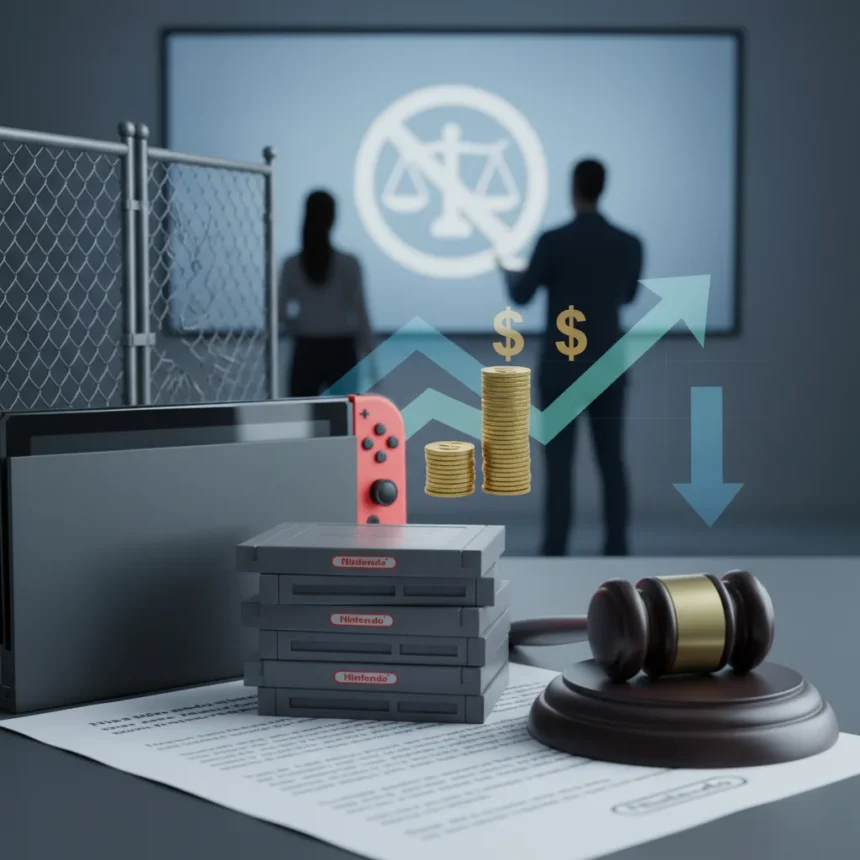
A Nintendo tariff refund lawsuit filed yesterday in Seattle accuses the gaming giant of collecting tariff costs twice: once from customers through price increases and again from the US government after tariffs were struck down as unlawful. Two consumers—one from California and one from Seattle—are seeking either direct refunds or a court order forcing Nintendo to forfeit government reimbursements. But legal experts and court precedent suggest the plaintiffs face an uphill battle.
Key Takeaways
- Two consumers filed a lawsuit yesterday against Nintendo in Seattle federal court over tariff refunds.
- Nintendo raised prices during the tariff period, then sued the federal government for reimbursement after tariffs were struck down.
- Plaintiffs accuse Nintendo of attempting to collect tariff costs from both customers and government simultaneously.
- The lawsuit could set a precedent for how companies handle tariff refunds, though success is uncertain.
- Nintendo had not responded to requests for comment at the time of reporting.
How Nintendo’s Double-Dip Strategy Unfolded
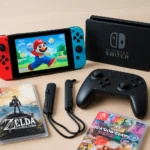
Nintendo’s tariff approach followed a straightforward but controversial playbook. When tariffs were imposed, the company raised prices on its products, passing the increased costs directly to consumers who had no choice but to pay more for Switch consoles, games, and accessories. This is standard business practice—companies typically absorb or pass along tariff costs depending on market conditions and profit margins. Nintendo chose transparency in the price increase, at least in terms of timing.
The second move came after the Supreme Court struck down the tariffs as unlawful. Nintendo then sued the federal government to recover the tariff payments it had made during the period when the duties were in effect. This is also legal and not uncommon—companies regularly seek refunds on taxes and duties they believe were wrongfully collected. But the combination creates an uncomfortable optics problem: customers paid more, and now Nintendo is seeking to be made whole by taxpayers.
Why the Nintendo Tariff Refund Lawsuit Faces Long Odds
The plaintiffs’ core argument is compelling in theory but weak in law. They claim Nintendo should either refund customers directly or forfeit the government reimbursement. The problem is that consumer protection law does not typically grant customers a right to share in corporate tax refunds or government reimbursements. When a company raises prices and later recovers those costs through legal channels, the courts have historically sided with the company—the price increase was legal at the time it occurred, and the refund is a separate financial transaction.


Courts generally treat pricing decisions and tax refunds as distinct matters. A company that raises prices during a period of tariffs is not legally obligated to reduce those prices when tariffs are lifted, nor to share government refunds with customers who paid the higher prices. The plaintiffs would need to prove either fraud or a violation of consumer protection statutes, neither of which appears evident from the lawsuit details. Nintendo disclosed its pricing rationale—tariff costs—making a fraud claim difficult to sustain.
Additionally, no precedent exists for courts forcing companies to forfeit government refunds to consumers. Doing so would create enormous liability exposure for corporations and likely discourage legitimate tariff recovery claims. Judges are reluctant to rewrite contract law or create new consumer rights retroactively, especially when the underlying transactions were transparent.
What This Lawsuit Could Mean for Corporate Tariff Practice
Despite the low likelihood of success, the Nintendo tariff refund lawsuit could potentially set a new precedent for how companies handle tariff refunds and customer pricing. If the case gains traction or settles, it might prompt other corporations to reconsider their tariff strategies—either absorbing costs rather than passing them along, or committing to refund customers if government reimbursements materialize.
The lawsuit highlights a gap between consumer expectations and legal reality. Most customers intuitively feel that if a company recovers money from the government, that recovery should benefit them—especially if they paid inflated prices as a result. But the law does not work that way. Companies are separate legal entities from their customers. A refund to the company is not a refund to the consumer, absent a specific contractual obligation or statute requiring otherwise.
What happens if Nintendo loses the lawsuit?
If the court rules in favor of the plaintiffs, Nintendo would likely face one of two outcomes: direct customer refunds or forfeiture of government reimbursements. Either scenario would be costly, though forfeiture might be the lesser financial hit depending on the tariff recovery amount. However, this outcome remains unlikely given existing precedent.
Can consumers pursue similar lawsuits against other companies?
Yes, consumers could file similar lawsuits against any company that raised prices during tariff periods and later sought government refunds. However, they would face the same legal obstacles as the Nintendo plaintiffs. Success would require either new legislation protecting consumer interests in corporate tax refunds or a significant shift in how courts interpret consumer protection law.

The Nintendo tariff refund lawsuit is a test case for consumer frustration with corporate pricing practices, but it is unlikely to succeed under current law. The plaintiffs have identified a real moral problem—a company collecting tariff costs twice—but courts deal in legal obligations, not moral intuitions. Unless legislatures step in to create new protections, customers who paid inflated tariff prices will have little recourse when those companies recover government refunds. The case may generate headlines and pressure on Nintendo, but a victory in court remains a long shot.
Edited by the All Things Geek team.
Source: TechRadar