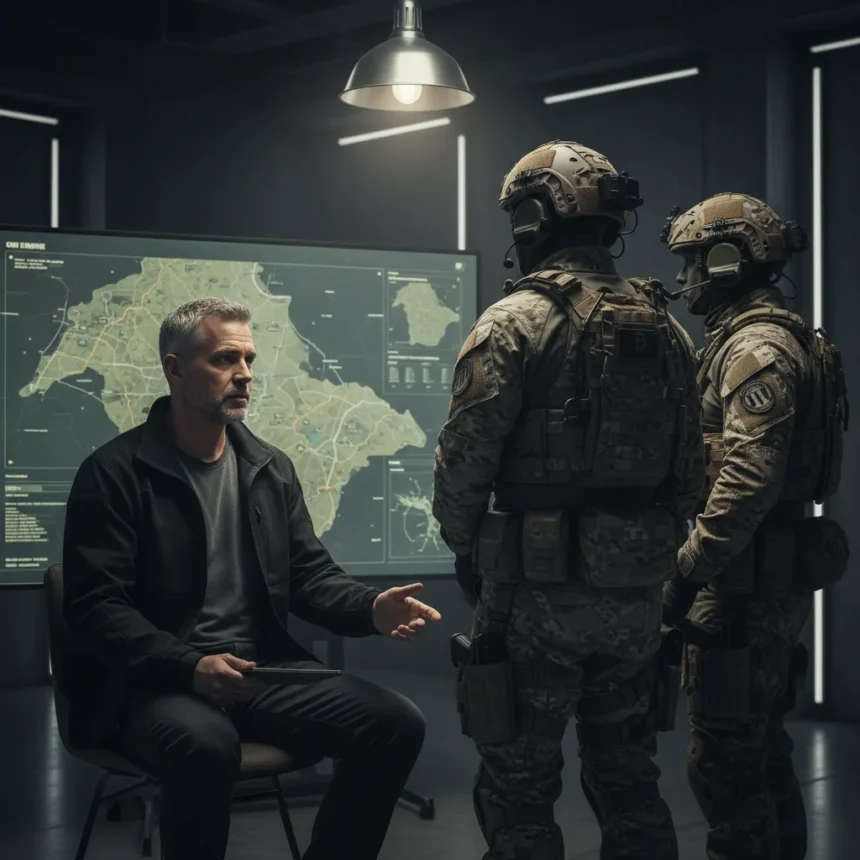
Modern Warfare 4 gritty tone represents a deliberate shift toward authenticity and grounded military aesthetics, according to the game’s director in a recent interview with TechRadar. The upcoming Call of Duty entry is moving away from stylized operator designs in favor of Mil-Sim characters that anchor the game’s world in recognizable reality. “We want those characters to feel set in our world,” the director stated, signaling a commitment to visual coherence and tactical credibility.
Key Takeaways
- Modern Warfare 4 adopts a grittier visual direction for the next Call of Duty installment.
- Mil-Sim operators return with an emphasis on realistic military aesthetics.
- The director prioritizes characters that feel grounded and contextually authentic.
- The upcoming game moves away from heavily stylized character designs.
- Tactical realism shapes the studio’s approach to operator identity and world-building.
What Modern Warfare 4 gritty tone means for operator design
The return of Mil-Sim operators signals a fundamental design philosophy: authenticity over spectacle. Rather than pursuing the increasingly fantastical character skins that have dominated recent Call of Duty releases, the development team is anchoring operator designs in military plausibility. This approach demands that every cosmetic choice—from tactical gear to weapon attachments—serves the game’s grounded aesthetic rather than breaking immersion for novelty. The director’s emphasis on characters feeling “set in our world” suggests a rejection of the theatrical operator designs that have accumulated across recent seasons, replacing them with soldiers who could credibly exist within the game’s narrative framework.
Mil-Sim operators have historically represented the most straightforward, least fantastical cosmetics in Call of Duty, drawing from real-world military uniforms and equipment configurations. By prioritizing this aesthetic for Modern Warfare 4, the studio is making a statement about the franchise’s direction: players will see fewer holographic weapon blueprints, fewer crossover skins from unrelated franchises, and fewer designs that prioritize visual flash over tactical coherence. This constraint is intentional and reflects a broader industry trend toward grounded storytelling in competitive shooters.
How Modern Warfare 4 gritty tone contrasts with recent Call of Duty entries
Recent Call of Duty titles have embraced operator cosmetics as a primary revenue stream, introducing crossover characters, anime-inspired skins, and increasingly abstract designs that prioritize individuality over authenticity. Modern Warfare 4’s gritty tone rejection of this approach creates a stark contrast. Where recent entries allowed players to embody pop culture characters or fantastical warriors, the upcoming game restricts operators to designs that maintain narrative consistency. This is not merely a cosmetic preference—it reflects a philosophical disagreement with the direction the franchise has taken, suggesting the developers believe players are fatigued by the visual chaos of operator customization.


The shift toward realism also implies tighter art direction across the entire game. A world where Mil-Sim operators feel authentically grounded demands that environments, weapon designs, and UI elements reinforce that same aesthetic. Inconsistency—a soldier dressed in plausible tactical gear standing in a cartoonish map, or wielding a weapon with absurd attachments—would undermine the director’s stated vision. This holistic commitment to grittiness suggests Modern Warfare 4 will demand discipline from the design team across every visual layer.
Why grounded character design matters for Call of Duty’s competitive identity
Competitive shooters live or die by player immersion and environmental clarity. When operators blend smoothly into their surroundings rather than standing out as neon-colored billboards, gameplay becomes more skill-dependent and less about visual clutter. A Mil-Sim operator in muted tactical colors presents a smaller visual target and forces opponents to rely on positioning and sound cues rather than spotting a glowing anime character from across the map. The director’s focus on characters that feel “set in our world” is therefore not purely aesthetic—it is a competitive design choice that shapes how the game plays.



This philosophy also signals confidence in the game’s core gameplay loop. Rather than relying on cosmetic novelty to sustain player engagement, the studio is betting that refined gunplay, map design, and progression systems will drive retention. Mil-Sim operators and grittier aesthetics serve as the foundation, allowing the gameplay itself to take center stage. In an industry where cosmetics have become the dominant monetization lever, this represents either bold confidence or a calculated response to player feedback about operator design fatigue.
What does the director’s vision mean for future cosmetic releases?
If Modern Warfare 4’s gritty tone becomes the franchise standard, cosmetic releases will face stricter thematic constraints. The director’s commitment to characters feeling grounded suggests that future operator drops will be vetted against a realism filter. Crossover skins with unrelated franchises would likely be off the table. Anime aesthetics, fantasy armor, and sci-fi designs would not align with the stated vision. This creates both opportunity and limitation: the cosmetics team gains a clear creative framework, but loses the flexibility to chase whatever pop culture moment might drive short-term sales.
The sustainability of this approach depends on whether players genuinely prefer grounded aesthetics or whether the cosmetics market demands constant novelty regardless of thematic fit. Modern Warfare 4’s success will answer that question definitively. If the game thrives with Mil-Sim-focused cosmetics and tight art direction, other franchises will follow. If players reject the constraint and demand the familiar chaos of crossover skins, the industry’s cosmetic strategy will remain unchanged.
Is Modern Warfare 4 returning to the franchise’s roots?
The emphasis on grittier tone and realistic operators positions Modern Warfare 4 as a return to the franchise’s military authenticity rather than a continuation of recent cosmetic excess. The original Modern Warfare trilogy built its identity on grounded storytelling and believable soldier designs, before the franchise progressively abandoned realism in favor of operator customization as a revenue engine. The director’s vision suggests a deliberate recalibration—not a rejection of cosmetics entirely, but a reframing of what cosmetics should represent within the game’s world.


Will the gritty tone extend beyond operator design?
The director’s focus on Mil-Sim operators raises the question of whether grittiness will permeate the entire game or remain cosmetic-focused. If Modern Warfare 4’s campaign, multiplayer maps, and visual effects all reinforce the same grounded aesthetic, the effect will be cohesive and immersive. If only operators are constrained while maps, weapons, and effects remain stylized, the vision will feel incomplete. The success of this direction depends on the studio’s discipline in applying the gritty tone consistently across every visual and narrative element.
FAQ
What are Mil-Sim operators in Call of Duty?
Mil-Sim operators are cosmetic skins based on realistic military uniforms and equipment configurations. They prioritize authenticity over visual novelty, representing soldiers who could plausibly exist in real military forces rather than fantastical or crossover characters.
Does Modern Warfare 4 gritty tone mean no crossover cosmetics?
The director’s stated vision of characters feeling “set in our world” strongly suggests that heavily stylized crossover skins will not align with the game’s aesthetic. However, no official statement has ruled out crossovers entirely, so the exact scope of cosmetic restrictions remains to be confirmed closer to launch.
How does this compare to recent Call of Duty cosmetics?
Recent Call of Duty entries have embraced anime-inspired skins, pop culture crossovers, and increasingly abstract operator designs. Modern Warfare 4’s gritty tone represents a deliberate pivot away from this approach toward Mil-Sim realism and narrative consistency.
Modern Warfare 4’s director is staking the franchise’s next chapter on a gamble: that players prefer grounded authenticity over cosmetic chaos. If the vision holds, it could reshape how Call of Duty approaches operator design and visual identity for years to come. The grittier tone signals confidence in the game’s core gameplay rather than reliance on novelty cosmetics—a refreshing stance in an industry that has increasingly monetized visual excess.
Edited by the All Things Geek team.
Source: TechRadar