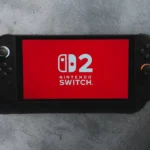
The Nintendo Switch 2 EU redesign is happening because of regulatory pressure, not consumer demand. According to reports, Nintendo is fundamentally reworking the Switch 2’s internal architecture and housing to allow users to replace the battery themselves, starting with European markets in 2027.
Key Takeaways
- EU Battery Regulation 2023/1542 requires user-replaceable batteries in all new devices from February 18, 2027
- Current Switch 2 design has a permanently glued battery accessible only with special tools
- Nintendo must redesign internal layout, housing, and assembly technology to comply
- An EU-exclusive repair-friendly variant could launch, while other regions receive standard models
- Consumer pressure in US and Japan might later push Nintendo to offer the accessible-battery version globally
Why the Nintendo Switch 2 EU redesign matters right now
The deadline is February 18, 2027. That is when Battery Regulation 2023/1542 takes effect across the European Union, requiring that any new device placed on the market must allow users to replace its battery without professional help. This is not a suggestion. It is law, and it applies to every Switch 2 unit Nintendo ships to Europe after that date. The regulation exists to reduce electronic waste, extend product lifespan, and break manufacturer dependence on repair services.
Nintendo faces a genuine engineering problem. The current Switch 2 battery is hard to reach, firmly glued into the housing, and requires special tools to access. To make it user-removable, Nintendo would need to overhaul the internal layout, redesign the housing, and change the entire assembly process. This is not a software update or a minor tweak—it is a hardware redesign.
The Nintendo Switch 2 EU redesign could create a regional split
Reports suggest Nintendo may create an EU-exclusive variant with an easily removable battery while keeping the standard glued-in design for other markets. This would be a pragmatic solution: comply with EU law in Europe, maintain the current design elsewhere. The US and Japanese markets would continue receiving the original version unless consumer awareness about repair rights changes the calculus.


This regional strategy is not unusual. Other manufacturers already produce different hardware variants for different regulatory environments. But for Nintendo, it signals something important: the company is willing to redesign a major console to meet European standards. If that redesigned version gains traction or if other regions adopt similar battery-replacement laws, Nintendo might feel pressure to standardize the repair-friendly design globally.
What the Nintendo Switch 2 EU redesign means for repairability
The regulation targets a specific problem: consumers trapped in a cycle where broken batteries mean expensive repairs or device replacement. By mandating user-replaceable batteries, the EU is pushing back against throwaway consumer electronics. For Nintendo Switch 2 owners in Europe, this means longer device life and lower long-term costs.

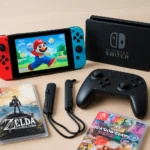
The catch is timing. Existing retail stock is not affected by the February 2027 deadline—only new devices placed on the market after that date must comply. So early Switch 2 adopters outside Europe will still get the glued-in battery. European buyers who purchase after February 2027 will get the redesigned version. This creates a two-tier market where hardware availability depends on geography and purchase timing.
How does the Nintendo Switch 2 EU redesign compare to the current model?
The original Switch 2 prioritizes industrial design and compact form factor over repairability. A glued-in battery allows for thinner, lighter construction and tighter integration. The redesigned EU version trades some of that elegance for serviceability—it will likely be slightly thicker or require different housing materials to accommodate removable battery mechanisms. This is a classic engineering trade-off: sleekness versus durability.
Compared to the previous Switch console, the current Switch 2 design actually made battery access harder. The original Switch allowed for relatively straightforward battery replacement. The Switch 2 moved away from that approach, which is precisely why EU compliance now requires a step backward to a more repairable design.
Will the Nintendo Switch 2 EU redesign reach other regions?
Not automatically. Nintendo would only expand the repair-friendly design to the US and Japan if consumer demand or regulatory pressure mounts. Right now, neither region has mandated user-replaceable batteries. But the EU’s move could inspire similar legislation elsewhere. If the US or Japan adopt comparable rules, Nintendo would face the same redesign pressure it faces in Europe.

The real question is whether the EU-exclusive variant proves popular enough to justify global rollout. If European consumers embrace a repairable Switch 2, and if repair advocacy groups in other countries point to that success, Nintendo might decide a unified design makes manufacturing sense. That outcome is not guaranteed, but it is possible.
What happens to existing Switch 2 batteries in Europe?
Owners with glued-in batteries will still need to send their console to Nintendo for repair. The regulation does not retroactively apply to devices already sold or in retail stock. Only Switch 2 units manufactured and placed on the market after February 18, 2027 must have user-replaceable batteries. This means the transition will be gradual, with both versions coexisting in the market for some time.
Could other gaming companies face similar redesigns?
Yes. Battery Regulation 2023/1542 applies to all manufacturers selling new devices in the EU. PlayStation 6, Xbox, and any other gaming hardware shipping to Europe after the deadline will need user-replaceable batteries. Nintendo is not facing a unique burden—it is facing the same regulatory requirement as every other electronics maker. The difference is that Nintendo’s current design is particularly resistant to the change, making the redesign more visible and disruptive.
Is the Nintendo Switch 2 EU redesign final?
No. Reports indicate Nintendo is planning or considering the redesign, not that it has been finalized or officially announced. The company has until February 2027 to figure out its compliance strategy. Nintendo could pursue the EU-exclusive variant approach, redesign globally, or find another solution entirely. Until Nintendo makes an official statement, treat these reports as credible but unconfirmed.
The Nintendo Switch 2 EU redesign is ultimately a story about regulation forcing innovation. The EU is betting that mandatory repairability drives better product design, reduces waste, and shifts power back to consumers. Whether Nintendo embraces that vision globally or merely tolerates it in Europe will depend on market forces, regulatory momentum, and how seriously the company takes the repair movement. For now, the redesign is coming to Europe. Everything else is speculation.
Edited by the All Things Geek team.
Source: Tom's Guide