





The PlayStation Portal cloud streaming update marks a fundamental shift in how Sony’s handheld device works. Version 6.0.1, released in January 2026, transforms the Portal from a PS5-dependent remote play monitor into a standalone cloud gaming device. For the first time, PS Plus Premium subscribers can stream PS5 titles without needing their console powered on or in Rest Mode, solving the shared TV problem that plagued the original 200 device.
Key Takeaways
- PlayStation Portal cloud streaming now works independently via PS Plus Premium subscription
- Public Wi-Fi connectivity improved with phone/laptop sign-in support for hotels and airports
- New passcode lock, 3D audio support, and network troubleshooting screens added
- Portal accounts for 50% of all remote play sessions globally
- OLED refresh and native handheld successor rumored for 2026 launch
PlayStation Portal Cloud Streaming Changes Everything
The 6.0.1 update delivers independent cloud streaming for PS Plus Premium subscribers, eliminating the requirement that your PS5 be active or in Rest Mode. This single feature rewrites the Portal’s identity. Before this update, the device was essentially a 200 monitor for your PS5—useful for bathroom gaming or avoiding the living room TV conflict, but tethered to your home console. Now it is a legitimate portable cloud gaming device that works anywhere with sufficient internet.
Real-world testing shows the experience is surprisingly smooth. Download speeds like 205.8Mbps enable solid streaming for demanding titles like Resident Evil 4, though occasional stutters occur during intensive scenes. The improvement is not flawless, but it is functional enough to make the Portal a genuine alternative to playing on your TV. Sony has clearly listened to early criticism that the device felt incomplete—this update addresses that directly.
Public Wi-Fi and Quality-of-Life Fixes Matter More Than You Think
Beyond cloud streaming, version 6.0.1 solves a practical problem that killed Portal usability for travelers: public Wi-Fi sign-in screens. Hotels, airports, and cafes require browser-based authentication before internet access works. The update now lets you use your phone or laptop to complete the sign-in process, then automatically connects the Portal to that same network. This is a small feature with enormous real-world impact. Without it, the Portal was essentially unusable outside your home network.

The update also adds passcode lock protection, improved 3D audio support, and network status screens for troubleshooting. These are not headline features, but they reflect a maturing product. The core remote play experience is smoother and more stable across the board. Sony is not just adding features—it is tightening the entire experience.
Cloud Streaming Comes With Limits You Should Know
Cloud streaming supports the PS Plus Premium catalog and select owned titles, but not your entire PS5 library. This is a significant limitation compared to what some competitors offer. If you have purchased games you want to play on the Portal, you may find they are not available for cloud streaming. The subscription-first approach benefits Sony but frustrates players who expect their digital purchases to follow them everywhere.
That said, the PS Plus Premium catalog is substantial. Games like Resident Evil 4 stream reliably with good visual quality. For subscribers, the value proposition has shifted dramatically. You are no longer paying 200 for a remote play device—you are paying for portable access to hundreds of PS5 titles via cloud, which is a different product entirely.
The Portal Is Becoming a PSP Successor, Not a PS5 Accessory
Sony’s own executives have signaled this shift. Eric Lempel, SVP at SIE, revealed at CES 2026 that the Portal now accounts for 50% of all remote play sessions. That staggering number indicates the device has moved from niche accessory to mainstream handheld. Players are using it more than they use remote play on phones or other devices. The Portal is winning the portable gaming battle before competitors even showed up.
This positioning also explains the rumored hardware refreshes. Leaks point to an OLED Portal variant launching in 2026 with a bigger battery and higher-resolution screen, priced around 250. Beyond that, Sony is reportedly developing a native handheld called Project Canis with its own processor, not reliant on streaming at all. The Portal is becoming the bridge device in a larger handheld strategy. It is not just an accessory anymore—it is the foundation of Sony’s portable gaming future.
How Does the Portal Compare to Competing Handhelds?
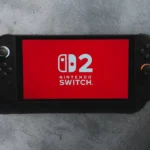
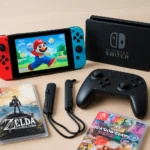
The Nintendo Switch remains the obvious comparison, though they target different audiences. The Switch is a self-contained device with its own game library. The Portal is a cloud and remote play device dependent on PS5 ownership or PS Plus Premium. For PS5 owners, the Portal is cheaper than a Switch and gives instant access to a larger catalog. For non-PlayStation players, it is irrelevant. The comparison works in Sony’s favor only within the PlayStation ecosystem, which is precisely where Sony is competing.
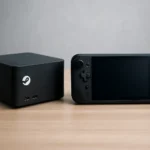

The real competition is against your phone or laptop for remote play. The Portal wins because it has dedicated hardware, better controls, and a larger screen. It loses because it requires a subscription and internet connection. That trade-off is increasingly favorable as internet speeds improve and cloud gaming becomes normalized.
Is the PlayStation Portal cloud streaming worth buying now?
For PS Plus Premium subscribers who travel frequently or share a TV, the answer is yes. Version 6.0.1 finally delivers a functional standalone device. For casual players or those without PS Plus Premium, the Portal remains a niche product. The 200 entry price is reasonable, but the subscription requirement adds ongoing cost. Evaluate whether you will actually use cloud streaming or if you just want remote play when your PS5 is powered on.
Will the Portal get an OLED screen upgrade?
Leaks suggest yes, with an OLED variant expected in 2026 at around 250. Sony has not officially confirmed this, so treat it as rumor until official announcement. If you are considering a Portal purchase now, waiting a few months to see if the OLED version launches might be wise.
What is the difference between remote play and cloud streaming on the Portal?
Remote play requires your PS5 to be powered on or in Rest Mode and streams directly from your console over your home network or the internet. Cloud streaming uses PS Plus Premium to stream games from Sony’s servers, requiring no PS5 involvement at all. Cloud streaming is more convenient but limited to the PS Plus catalog and select owned titles.
The PlayStation Portal 6.0.1 update represents a genuine inflection point for the device. It is no longer a PS5 accessory—it is a cloud gaming handheld that happens to also do remote play. For players tired of fighting over the TV or wanting portable PS5 gaming, this update finally justifies the purchase. Whether you buy now or wait for the rumored OLED refresh depends on how urgently you need portable gaming and whether you can tolerate current screen quality. Either way, Sony has transformed a controversial device into something that actually works.
Edited by the All Things Geek team.
Source: TechRadar




