





The PS2 Portable is an open-source handheld gaming device that runs original PlayStation 2 silicon in a custom reverse-engineered motherboard, delivering native PS2 game compatibility without relying on emulation. Built by an enthusiast who painstakingly reverse-engineered the PS2 architecture, this bespoke device pairs authentic hardware with modern portable conveniences—USB-C charging, hall-effect joysticks, and up to 4.5 hours of battery life per charge.
Key Takeaways
- The PS2 Portable uses original PS2 silicon in a custom-designed motherboard rather than emulation.
- Battery life reaches up to 4.5 hours on a single charge with USB-C connectivity.
- Hall-effect joysticks and modern handheld ergonomics modernize the classic console experience.
- The project is open-source, enabling other enthusiasts to build and modify their own units.
- Native hardware compatibility eliminates the compatibility gaps and performance compromises of software emulation.
Why Native Hardware Matters for the PS2 Portable
The PS2 Portable’s defining advantage is architectural: it runs actual PlayStation 2 silicon rather than emulating PS2 games through software. This distinction is fundamental. Emulation-based handhelds must translate PS2 instructions into a different processor’s language in real-time, introducing latency, compatibility gaps, and unpredictable frame rates. A native PS2 Portable executes games exactly as they were designed, with zero translation overhead. Every game that ever ran on a standard PS2 works on this handheld without exception—no guessing whether a specific title will stutter, crash, or display graphical glitches.
The reverse-engineered motherboard is the technical marvel here. Rather than transplanting a full PS2 console board into a portable shell (a bulky, power-hungry approach), the builder designed a compact custom PCB that preserves the original silicon while stripping away unnecessary components and integrating modern power delivery. This is not a simple mod—it requires deep knowledge of PS2 architecture, circuit design, and manufacturing constraints. The result is a device small enough to hold in two hands yet capable of running the entire PS2 library without compromise.
Modern Features That Make the PS2 Portable Actually Portable
A raw PS2 board crammed into a handheld shell is only half the battle. The PS2 Portable adds contemporary conveniences that transform it from a curiosity into a practical gaming device. Hall-effect joysticks eliminate the stick drift that plagued the original PS2 controller and plagues most modern wireless controllers. USB-C charging is standard on every smartphone and tablet today—no proprietary dock, no rare connector hunting. The 4.5-hour battery life is respectable for a device running original silicon; it trades raw power for genuine portability.
These choices reflect a designer who understands that nostalgia alone does not make a product usable in 2025. The PS2 Portable respects the original hardware while acknowledging that players expect modern ergonomics and charging standards. A handheld that dies after two hours or whose joysticks degrade after a month would be a museum piece, not a gaming device. By contrast, this build prioritizes longevity and practical daily use.
How the PS2 Portable Compares to Emulation-Based Alternatives
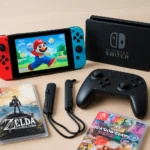
Emulation handhelds like the Steam Deck, Retroid Pocket, and various Android-based portables can play PS2 games, but always with caveats. Some titles run flawlessly; others stutter or crash. Developers must constantly optimize emulation cores and release compatibility patches. A game that worked yesterday might break after a firmware update. The PS2 Portable eliminates this uncertainty entirely. If it ran on a PS2 in 2004, it runs on the PS2 Portable today. No emulation means no compatibility roulette, no frame rate inconsistencies tied to CPU load, no graphical glitches from incorrect instruction translation.
The trade-off is specificity: the PS2 Portable plays PS2 games and nothing else. An emulation handheld plays dozens of systems—NES, SNES, Genesis, N64, GameCube, arcade boards, and more. If you want a universal retro gaming device, emulation wins. If you want PS2 games to play exactly as intended, with zero compromises, the PS2 Portable is the only option that exists today.
Open-Source Design Unlocks Community Innovation
The PS2 Portable’s open-source status matters more than casual observers might realize. Because the motherboard design, firmware, and build documentation are publicly available, other engineers can improve, modify, and iterate on the concept. Someone could design a larger screen variant, optimize battery chemistry further, or integrate wireless controllers. The original builder has essentially given the community a blueprint, not a finished product locked behind proprietary manufacturing. This approach echoes successful open-hardware projects like the Framework laptop and various Arduino-based systems—the community becomes the R&D department.
For players, this means the PS2 Portable is not a one-off curiosity destined to become obsolete. If a component fails, the community can source a replacement or design a substitute. If someone wants to customize the shell, button layout, or screen, they have the technical foundation to do so. Open-source hardware is rarer than open-source software; when it exists, it often creates ecosystems that proprietary products cannot match.
Is the PS2 Portable a Practical Gaming Device?
Yes, with one caveat: it requires either building skills or access to someone who has them. This is not a product you buy from Amazon. It is a project you build yourself or commission from someone with the expertise to reverse-engineer a motherboard and assemble a handheld. That barrier excludes most casual gamers. For enthusiasts willing to invest time and money into the build, however, the PS2 Portable is one of the most authentic ways to play PS2 games outside of the original hardware. It is lighter than a modded PS2, more reliable than an aging console, and infinitely more practical than lugging a 20-year-old television setup.

Can You Buy a PS2 Portable Off the Shelf?
Not currently. The PS2 Portable is a community-driven, open-source project. Individual builders create units for themselves or take commissions, but there is no mass-manufactured version sold through retailers. This keeps the project in the hands of people who understand and respect the engineering involved, but it also means access is limited to those with technical resources or willingness to pay a skilled builder for custom work.
How Does Battery Life Compare to Other Handheld Consoles?
Four and a half hours is competitive with modern handheld gaming devices when you account for the PS2 Portable’s native hardware demands. A Nintendo Switch gets 5.5 to 9 hours depending on model and game, but it is running optimized software on ARM processors designed for mobile efficiency. The PS2 Portable is running 20-year-old console silicon that was never designed for battery operation. Achieving 4.5 hours of PS2 gaming on a charge is a genuine engineering accomplishment, not a limitation.
The PS2 Portable proves that authentic hardware beats emulation when compatibility and accuracy matter more than versatility. For anyone who grew up with PS2 and wants to revisit that library on the go, this handheld delivers something emulation cannot: the real thing.
Edited by the All Things Geek team.
Source: Tom's Hardware




