





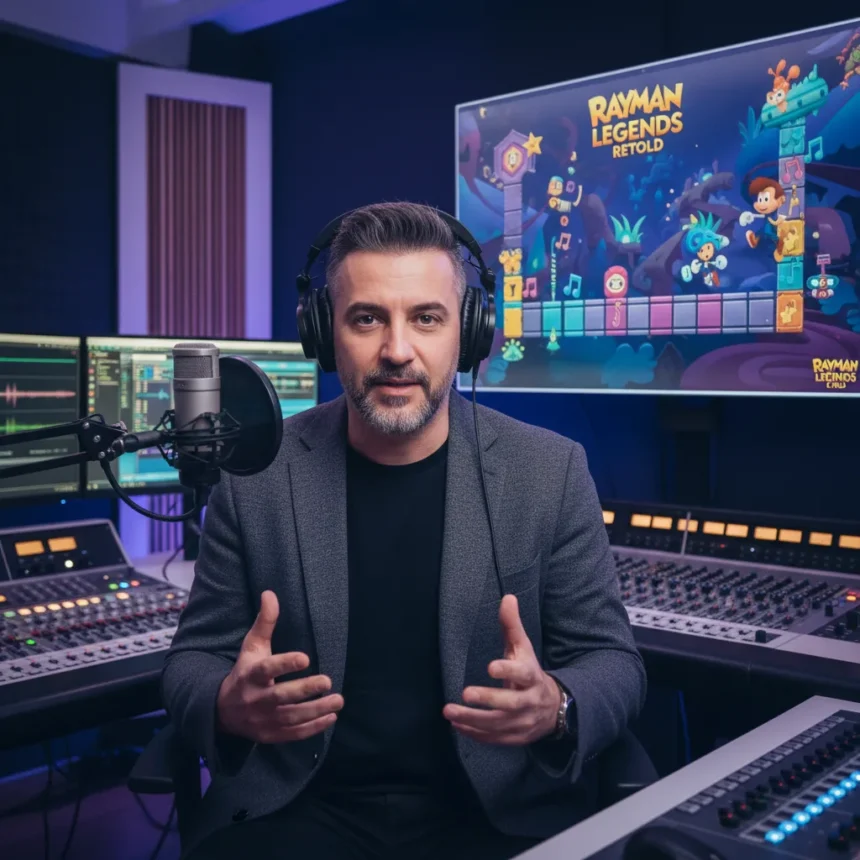
Rayman Legends Retold audio design sits at the heart of what makes the platformer’s music levels instantly recognizable, according to Ubisoft audio director Charlie Atanasyan. In a recent breakdown, Atanasyan discussed how the team approaches these iconic sequences and the deliberate choices made to keep voice acting from becoming a distraction rather than an enhancement.
Key Takeaways
- Charlie Atanasyan leads audio direction for Rayman Legends Retold at Ubisoft
- The game’s iconic music levels are central to its audio identity and player recognition
- Voice acting is carefully designed to avoid becoming annoying or intrusive during gameplay
- Audio design decisions directly influence how players experience the platformer’s memorable moments
- The team balances nostalgia with fresh audio approaches in the retold version
How Rayman Legends Retold Audio Design Captures Nostalgia
The iconic music levels in Rayman Legends Retold function as more than gameplay sequences—they are moments of instant recognition that trigger player familiarity and joy. Atanasyan explained that when players encounter these tracks, the audio creates an immediate emotional connection because they already know what to expect. This design philosophy prioritizes clarity and memorability, ensuring that the audio reinforces rather than obscures the core platforming experience. The music becomes a signal to players about what type of challenge awaits, turning sound design into a navigational tool.
What distinguishes Rayman Legends Retold audio design from generic platformer soundtracks is the deliberate restraint in layering and the focus on melodic clarity. Rather than overwhelming players with complex orchestration, Atanasyan’s approach emphasizes hooks that stick in memory. This is particularly important in music levels, where the audio itself becomes the primary challenge mechanic—players must synchronize their actions to the beat, making the audio both aesthetic and functional.
Voice Acting Restraint: A Lesson in Audio Subtlety
One of the more interesting aspects of Rayman Legends Retold audio design is how the team handles voice acting. Rather than filling the game with constant dialogue, Atanasyan and his team made the conscious choice to limit vocal performances to moments where they genuinely enhance the experience. This restraint prevents voice acting from becoming an annoyance factor that fatigues players during extended play sessions. The decision reflects a deeper understanding of platformer pacing—where silence and music often communicate more effectively than dialogue.


The challenge in modern game audio is knowing when to speak and when to stay silent. Rayman Legends Retold audio design demonstrates this balance by using voice sparingly, allowing the music and sound effects to remain the primary storytelling devices. This approach respects player attention and preserves the game’s whimsical tone without relying on repetitive vocal cues that could undermine the experience across multiple playthroughs.
The Role of Audio in Defining Rayman Legends Retold Identity
Audio design is not a secondary consideration in platformers—it is foundational to how players perceive difficulty, progression, and satisfaction. In Rayman Legends Retold audio design, the music levels serve as landmark moments that define the game’s personality. When Atanasyan discusses these sequences, he is describing the sonic architecture that makes the platformer feel cohesive and intentional rather than generic. The iconic tracks are not decorative; they are essential to how players navigate and remember the game world.



Comparing this approach to other platformers reveals how much intentionality shapes the final product. Games that layer voice acting indiscriminately often create fatigue, while those that use restraint—as Rayman Legends Retold audio design demonstrates—allow the core mechanics and music to breathe. This philosophy extends beyond the music levels to the entire soundscape, where every audio element serves a purpose.
Why Rayman Legends Retold Audio Design Matters for Platformer Standards
The conversation around Rayman Legends Retold audio design is timely because modern platformers often struggle with audio pacing. Developers frequently assume that more voice acting, more ambient chatter, and more constant audio feedback will enhance immersion. Atanasyan’s work suggests the opposite—that clarity, restraint, and purposeful design create stronger player engagement. The iconic music levels in Rayman Legends Retold prove that a platformer’s audio can be both memorable and unobtrusive when approached with intention.
For players returning to Rayman Legends Retold, the audio experience will feel immediately familiar yet thoughtfully refined. The music levels remain the centerpiece of this design philosophy, delivering the instant recognition and joy that Atanasyan describes—that moment when a player hears the track and knows exactly what to expect, smiling before the challenge even begins.
What makes the music levels in Rayman Legends Retold so memorable?
The music levels leverage instantly recognizable audio hooks that create immediate player familiarity. This design choice transforms the soundtrack from background accompaniment into a core gameplay element, where the audio itself guides the platforming action and creates emotional resonance through recognition rather than novelty.


How does Rayman Legends Retold audio design avoid voice acting fatigue?
By limiting voice acting to moments where it genuinely enhances the experience, Rayman Legends Retold audio design prevents vocal performances from becoming repetitive or annoying during extended play. This restraint allows music and sound effects to remain the primary storytelling tools, respecting player attention and preserving the whimsical tone across multiple playthroughs.
Why is audio direction critical for platformer design?
Audio serves as a navigational and emotional tool in platformers. Rayman Legends Retold audio design demonstrates how sound communicates difficulty, progression, and satisfaction to players. When audio is intentional rather than decorative, it becomes foundational to how players perceive and remember the game world.
Charlie Atanasyan’s approach to Rayman Legends Retold audio design illustrates a fundamental truth about modern game development: restraint often outperforms excess. The iconic music levels that define the platformer succeed not because they overwhelm the player with sound, but because every audio choice serves a clear purpose. This philosophy—prioritizing clarity, memorability, and purposeful silence—sets a standard for how platformers should approach their sonic identity, proving that great audio design is invisible until you notice its absence.
Edited by the All Things Geek team.
Source: TechRadar




