





The RayNeo Air 4 Pro is an AR glasses device made by RayNeo, launching as a minor refresh of the Air 3s Pro with new HDR10 support, the Vision 4000 image processor chip developed with Pixelworks, and B&O-tuned quad open-air speakers. At $299, it positions itself as the world’s first AR glasses with HDR10 display capability, enabling real-time SDR-to-HDR upscaling and native 3D movie support on a portable 201-inch virtual screen equivalent. After three months of daily use, the device proves compelling for binge-watching and console gaming despite significant build quality compromises that undercut its premium positioning.
Key Takeaways
- RayNeo Air 4 Pro is the first AR glasses with HDR10 support, delivering 10.7 billion colors and real-time SDR-to-HDR upscaling
- Display features 0.6-inch SeeYa Micro-OLED per eye with 1920 x 1080 resolution, 120 Hz refresh rate, and 1,200 nits peak brightness
- B&O-tuned quad open-air speakers reduce audio loss by 80% compared to the Air 3s Pro, though volume could be stronger
- Weighs just 76 grams with 64 GB storage plus microSD support up to 2 TB for offline content
- Priced at $299, it undercuts competitors but feels cheap with edge blurring and oversaturated colors that limit immersion
HDR10 Display: Impressive Specs, Modest Real-World Gains
The RayNeo Air 4 Pro’s headline feature is HDR10 support via the Vision 4000 chip, which enables real-time SDR-to-HDR upscaling and native 3D movie support. The 0.6-inch SeeYa Micro-OLED display per eye delivers 1920 x 1080 resolution per eye (3840 x 1080 in 3D mode), 120 Hz refresh rate, 1,200 nits peak brightness, and a 200,000:1 native contrast ratio. Color accuracy sits at ΔE < 2 with 145% sRGB coverage and 10.7 billion colors, supported by HueView 2.0 technology. On paper, this is the most advanced display ever packed into consumer AR glasses.
In practice, the HDR10 upgrade over the Air 3s Pro feels incremental. Testing Marvel’s Thunderbolts on Disney Plus showed only slightly richer colors and marginally more contrast in back-to-back comparisons. The improvement exists but does not justify the hype around being the world’s first HDR10 AR display. Where the display truly shines is gaming—the 120 Hz refresh rate and high contrast ratio make fast-paced titles feel responsive and clean. The 47-degree field of view, however, delivers a smaller-than-expected screen that breaks immersion compared to standalone headsets. Content like detailed leaves or hair shows visible edge blurring, a compromise that becomes obvious during longer viewing sessions.
The 145% sRGB coverage, while technically impressive, causes oversaturation by default. Avoiding the Color Enhancement setting is essential—colors already look too vibrant without it. This is a tuning choice, not a hardware flaw, but it suggests the glasses ship with aggressive color profiles that prioritize pop over accuracy.

Audio and Build: Where Compromises Show
Bang & Olufsen tuned four open-air speakers deliver balanced, pleasant sound that outperforms most AR glasses in its class. The audio loss reduction of 80% compared to the Air 3s Pro is noticeable—no hissing or muddiness plagues the experience. Yet the speakers lack power; gaming and action sequences could benefit from higher volume without distortion.
Build quality is the biggest disappointment. At $299, the device uses cheap-feeling plastics that seem mismatched to the advanced optics inside. The included plastic light blockers and black felt case are functional but underscore the cost-cutting approach. This is not a premium product pretending to be affordable—it is an affordable product that knows its place. That honesty is refreshing, but it means durability questions linger after months of use.
Gaming and Content: Where the RayNeo Air 4 Pro Excels
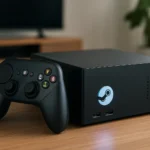
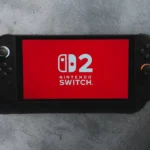
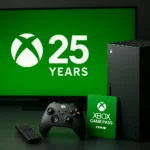
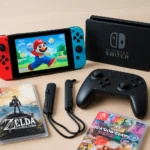
The real strength of the RayNeo Air 4 Pro emerges when gaming and streaming dominate your use case. Connectivity via USB-C supports phones, Steam Deck, Nintendo Switch, PlayStation 5, and Xbox. The 64 GB internal storage plus microSD support up to 2 TB means offline content libraries are genuinely practical. For someone who travels frequently or commutes long distances, having 2 TB of movies or games accessible on a 76-gram device changes the equation entirely.
Gaming performance benefits from the 120 Hz refresh rate and high contrast ratio in ways that video consumption does not. Fast-action titles feel responsive. The 3D movie support and AI-based 2D-to-3D conversion add depth that standard streaming cannot match. These features justify the HDR10 investment more convincingly than the marginal video upgrades—gaming is where the Vision 4000 chip earns its place.
Competitor Context and Value Proposition
The RayNeo Air 4 Pro occupies a unique position: it is the only AR glasses at this price point with HDR10 support and quad open-air speakers tuned by a premium audio brand. Standalone VR headsets offer larger screens and deeper immersion but sacrifice portability and the ability to see your surroundings. Competing AR glasses lack the audio quality and HDR capabilities, making the RayNeo the better choice for someone prioritizing entertainment over augmented reality features like spatial computing or real-world overlays.
The Air 3s Pro predecessor remains a viable alternative if you do not care about HDR10—the display and audio performance are nearly identical, and you save money. The choice depends entirely on whether real-time SDR-to-HDR upscaling and 10.7 billion colors matter to your viewing habits. For most casual users, the Air 3s Pro is sufficient. For gamers and HDR enthusiasts, the Air 4 Pro justifies the modest price increase.

Is the RayNeo Air 4 Pro worth buying?
Yes, if you binge-watch video and game on the go and can tolerate cheap build quality and a smaller-than-expected screen. The $299 price point, HDR10 support, B&O audio, and 2 TB storage capacity combine into a compelling package for travel and commuting. No, if you expect premium materials or deep immersion—this device is a budget entertainment tool, not a luxury gadget.
How does the RayNeo Air 4 Pro compare to the Air 3s Pro?
The Air 4 Pro adds HDR10 support, improved B&O-tuned audio (80% less loss), and light blockers. The display and overall performance are nearly identical. If you already own the Air 3s Pro, the upgrade is optional unless HDR10 content is central to your use case.
Can you use the RayNeo Air 4 Pro with a Nintendo Switch or PlayStation 5?
Yes. The glasses connect via USB-C to phones, Steam Deck, Nintendo Switch, PlayStation 5, and Xbox. This makes them a portable second screen for gaming or a personal cinema for any device with USB-C output.
The RayNeo Air 4 Pro succeeds because it knows what it is: an affordable, portable entertainment device that prioritizes gaming and video over augmented reality features. The HDR10 upgrade is real but modest in everyday use. The build quality is cheap but honest. At $299, it is the best way to binge-watch and game on a portable 201-inch virtual screen without spending a fortune on a premium headset. Just manage expectations about immersion and durability, and you will find a genuinely useful device.
Where to Buy
Edited by the All Things Geek team.
Source: Tom's Guide




