
Easy Anti-Cheat Steam Deck support is no longer theoretical. Rocket League’s integration of Epic Online Services Easy Anti-Cheat, effective April 28, 2026, maintains full compatibility with Steam Deck and Linux via Proton, demolishing the tired excuse that client-side anti-cheat and handheld gaming are incompatible.
Key Takeaways
- Rocket League’s Easy Anti-Cheat launched April 28, 2026, and supports Steam Deck and Linux without disruption.
- EAC uses launch verification, process monitoring, behavior detection, and server-side validation to catch cheaters in real time.
- Players can disable EAC to run mods offline, but online play requires the anti-cheat enabled.
- Fortnite blocks Steam Deck entirely despite using the same EAC technology, proving the limitation is developer choice, not technical.
- More frequent bot ban waves and improved bot detection ship in Q2 2026.
Why Rocket League Needed Anti-Cheat Now
Rocket League went 11 years without client-side anti-cheat. The game launched in 2015 and ran on native Linux until 2020, then switched to Proton compatibility. That decade-long window created a paradise for cheaters. Higher-ranked competitive matches became infested with bot farming, lobby exploits, and DDoS attacks that went essentially unchecked. Psyonix finally acted because the ranked ladder had become unplayable at elite levels—not because the technology suddenly became available.
The delay matters because it shows how much damage a cheating epidemic can cause. Rocket League is free-to-play, which means the barrier to creating throwaway accounts for botting is zero. Without detection mechanisms, bad actors flooded ranked queues with automated players grinding MMR, then sold the inflated accounts. Legitimate players climbing the ladder faced an unpredictable mix of real opponents and scripts. That experience corrodes trust in any competitive system.
How Easy Anti-Cheat Actually Works in Rocket League
Psyonix deployed EAC with four detection layers: launch verification checks game files and processes for tampering, DLL injections, and cheat tool signatures before the game even starts. Process monitoring watches memory interactions, overlay tools, and automation scripts while you play. Behavior detection flags robotic movement patterns and unnatural inputs that no human player produces consistently. Server-side validation cross-references input timing and networking anomalies that indicate cheating at the backend.


This layered approach matters because no single detection method catches everything. A cheat might evade one system but trip the behavior detection. The combination creates redundancy. When violations occur mid-match, EAC can cancel the game without impacting player ratings—a crucial detail that prevents cheaters from tanking legitimate players’ ranks even during the ban process.
Psyonix committed to more frequent ban waves and deployed a new, more accurate bot detection method shipping in Q2 2026. That timeline suggests the current rollout is version 1.0, not the final form. The developer is treating anti-cheat as an ongoing arms race, not a one-time fix.
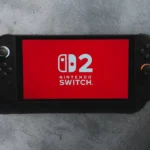


Steam Deck and Linux Support Exposes Developer Excuses
Here is the uncomfortable truth: Fortnite uses the exact same Easy Anti-Cheat technology but blocks Steam Deck and SteamOS entirely. That is not a technical limitation. That is a choice. Epic Games, which owns both Fortnite and EAC, decided that Linux players were not worth supporting. Rocket League’s decision to maintain full compatibility proves that excuse was always hollow.
The handheld gaming market is growing. Steam Deck sales have accelerated, and the upcoming Steam Machine will bring SteamOS to traditional living rooms. Developers who block Linux today are betting that the platform will remain niche. That bet looks increasingly reckless. Rocket League recognized the shift and acted accordingly. Other competitive games—Counter-Strike 2, Valorant, Apex Legends—still use anti-cheat systems that exclude Linux entirely. They are choosing to abandon an entire player base.
Psyonix’s approach also includes an offline mod mode. Players can disable EAC and run third-party tools like BakkesMod (which is sunsetting but remains temporarily compatible) for training, offline matches, LAN play, and replay analysis with custom video editing tools. Online play requires EAC enabled, but the option to experiment offline without restrictions preserves modding culture for players who value it.
What Other Developers Should Learn
The lesson is simple: anti-cheat and platform inclusivity are not mutually exclusive. Rocket League proved it. Psyonix made a business decision to support Steam Deck because the platform matters to their player base, and they engineered their anti-cheat deployment to make that work. Other studios can do the same.


The competitive gaming space is crowded. Players choose games partly on fairness and partly on accessibility. Blocking an entire hardware platform is a competitive disadvantage. A player who owns a Steam Deck and wants to play ranked competitive shooters cannot play Fortnite or Valorant on their hardware. They can play Rocket League. That is a tangible market advantage, and it costs developers nothing beyond basic engineering effort.
Will This Actually Stop Cheating?
No system eliminates cheating entirely. EAC raises the barrier significantly—launch verification and process monitoring catch most off-the-shelf cheats immediately. Behavior detection catches the sophisticated stuff. But determined cheaters with custom tools and deep technical knowledge will always find new angles. Psyonix knows this. The commitment to quarterly improvements and more frequent ban waves suggests they expect an ongoing cat-and-mouse game, not a final victory.
What matters is that the ranked ladder becomes playable for ordinary competitive players. If bot farming becomes expensive and risky, the incentive to do it drops. If cheaters get caught and banned faster, the window to profit shrinks. That is not perfection, but it is a massive improvement over the pre-EAC chaos.
Is Easy Anti-Cheat required to play Rocket League on Steam Deck?
EAC is required for online play on PC, including ranked, casual, and private matches. Steam Deck players can enable or disable EAC at launch, and the game runs without disruption on both SteamOS and Linux via Proton. If you disable EAC, you can still play offline training, LAN matches, and view replays with custom tools, but online play is blocked.
Can I use mods with Easy Anti-Cheat enabled in Rocket League?
No. With EAC enabled, mods are disabled. You can only use mods if you launch Rocket League with Anti-Cheat Disabled, which blocks all online play except Steam Workshop maps. This is the trade-off: competitive integrity requires a clean environment, and modding requires you to step outside that environment.
Why does Fortnite block Steam Deck if Easy Anti-Cheat supports it?
Epic Games made a deliberate choice to exclude Steam Deck and Linux from Fortnite despite owning the EAC technology. Rocket League’s Steam Deck support proves this is a business decision, not a technical requirement. Epic prioritizes other factors over Linux compatibility; Psyonix chose differently.
Rocket League’s Easy Anti-Cheat rollout is not revolutionary—it is basic competence applied to a growing platform. The real story is that other developers have no excuse left. Steam Deck is real, Linux players are real, and the technology works. The only question now is whether studios will engineer their anti-cheat systems to support these players, or whether they will keep pretending the limitation is technical when it is actually a choice.
Edited by the All Things Geek team.
Source: TechRadar