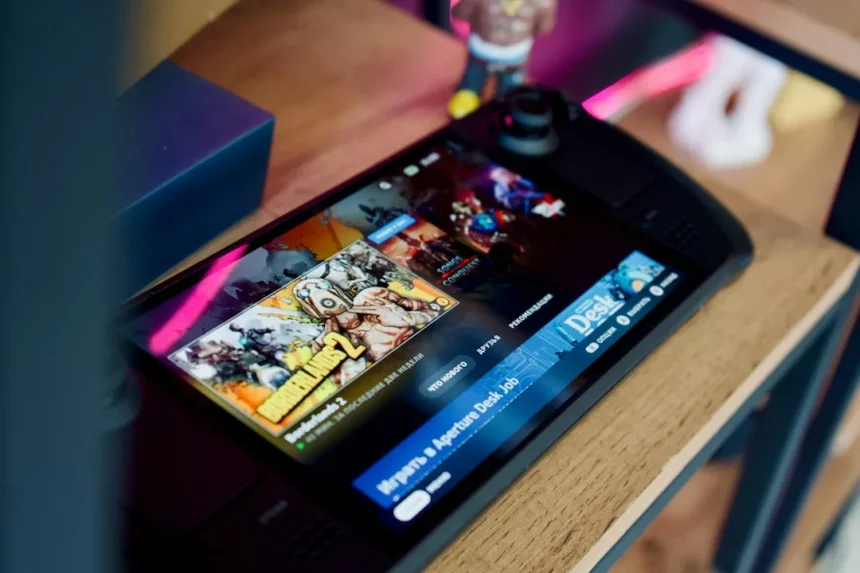
Valve has raised Steam Deck OLED prices across its premium models, with the 512GB variant now priced at $789 and the 1TB model climbing to $949. The increase marks a significant jump for consumers considering Valve’s flagship handheld, especially as the company positions the OLED as its primary offering following the discontinuation of the more affordable 256GB LCD model.
Key Takeaways
- Steam Deck OLED 512GB model now costs $789, up from previous pricing
- 1TB Steam Deck OLED has reached $949, representing the premium tier
- Component shortages and rising logistics expenses are cited as contributing factors
- OLED model is now the entry point after LCD variant was discontinued
- Price increases appear to affect multiple regions, though implementation varies
Why Steam Deck OLED Prices Are Climbing
The price hike reflects broader supply-chain pressures affecting the handheld gaming market. According to Valve’s Asia-region reseller Komodo, the increases stem from rising logistics expenses and fluctuating exchange rates. Memory component shortages have also created upward pressure on hardware pricing across the industry, forcing manufacturers to absorb higher costs or pass them to consumers.
Valve’s decision to discontinue the 256GB LCD model leaves the OLED as the entry point in many markets, meaning new buyers now face a minimum investment of $789. This represents a substantial barrier for casual players or those testing the Steam Deck ecosystem for the first time. The company has not publicly detailed its reasoning for these specific price points, but the timing aligns with acknowledged component availability challenges affecting handheld gaming devices.
Steam Deck OLED vs. Previous Pricing
The new pricing structure eliminates the budget option that previously attracted price-conscious buyers. Without the LCD model available, consumers choosing a Steam Deck now must decide between the $789 OLED or wait for potential restocks of older inventory. This creates a different purchasing calculus—buyers can no longer compromise on specs to save money within Valve’s own lineup.


The $949 1TB model positions itself as a premium choice for users who prioritize storage for large game libraries. Previously, buyers had three distinct tiers to choose from; now the market is bifurcated into two OLED options with a significant price gap. This simplification may benefit Valve’s margins, but it narrows the entry path for budget-conscious gamers.
Regional Variation and Global Implications
Price increases have not been uniform worldwide. Some regions saw adjustments while others maintained previous pricing, suggesting Valve is managing the transition strategically across markets. The company’s approach reflects the complexity of global supply chains—logistics costs, exchange rates, and local market conditions all influence final pricing in each territory.



For international buyers, this creates an opportunity to understand that Steam Deck OLED pricing is not a one-size-fits-all announcement. Consumers in different regions may experience different effective costs, making direct price comparisons across borders less meaningful. Valve’s regional flexibility suggests the company is balancing profitability against market demand in each geography.
What This Means for Handheld Gaming
The price increase signals that handheld gaming devices are becoming premium products, not budget alternatives to home consoles. At $789 and above, the Steam Deck OLED now competes directly with Nintendo Switch OLED pricing in some markets, though it offers substantially different features and game libraries. This positioning reflects the maturation of the handheld gaming segment and the costs associated with latest display and processing technology.
For potential buyers, the higher price tag demands stronger justification. The OLED screen, improved battery life, and expanded storage are genuine upgrades, but they come at a cost that may deter casual buyers. Valve’s willingness to raise prices suggests the company believes demand remains strong enough to absorb the increase, or that margin improvement takes priority over market expansion.
Is the Steam Deck OLED still worth buying at the new price?
The value proposition depends entirely on your use case. At $789, the 512GB OLED remains a capable handheld for playing a massive library of PC games on the go, with a superior screen compared to the discontinued LCD model. If you value portability and access to Steam’s catalog, the price is justified. If you’re a casual player or budget-conscious, waiting for potential discounts or restocks of older models might be wise.


Will Valve lower Steam Deck OLED prices in the future?
Price reductions are unlikely in the near term given the component shortage pressures cited by Valve’s partners. Typically, handheld devices see price cuts only after new models are announced or supply constraints ease. Monitor Valve’s official announcements for any changes, but expect current pricing to hold for several months at minimum.
How does the 1TB Steam Deck OLED compare to the 512GB model?
The 1TB model offers double the storage capacity, allowing you to install more games without managing space constantly. The $160 price difference between models is substantial, so the choice hinges on whether you plan to keep dozens of large titles installed simultaneously or prefer downloading games as needed. Both models share identical displays and processing power.
Valve’s price increase represents a reality check for handheld gaming consumers: premium hardware demands premium pricing. The Steam Deck OLED remains a powerful device, but at $789 and $949, it’s no longer a bargain-basement alternative to traditional gaming. Buyers must now weigh the benefits of portable PC gaming against the steeper investment required.
Edited by the All Things Geek team.
Source: Tom's Hardware