The Witcher 4 features that matter most remain uncertain, but CD Projekt Red has confirmed the game is in active development using Unreal Engine 5. With no official release date and industry estimates suggesting 2027 or later as the earliest window, there is plenty of time to consider what the studio should prioritize. Rather than wait passively, here are seven features that would make the next Witcher a genuine evolution of what made The Witcher 3 legendary.
Key Takeaways
- The Witcher 4 is confirmed in development on Unreal Engine 5, not CD Projekt Red’s legacy REDengine.
- Release window is estimated at 2027 or later, giving the studio years to refine its vision.
- A recent tech demo at State of Unreal 2025 showed open-world reactivity and seamless cutscene transitions.
- The game’s narrative strength and continuity with player choices should be priorities.
- Multi-platform support is expected, though specific platforms remain unconfirmed.
Keep the TV show out of the game’s DNA
CD Projekt Red faces a genuine creative risk: letting Netflix’s adaptation influence the game’s direction. The worst decision would be anchoring The Witcher 4 around choices made in the television series. The show has taken liberties with character arcs, timeline, and tone that do not align with the games’ sensibilities. Geralt’s characterization, the Witcher world’s political landscape, and key character relationships should remain rooted in the books and previous games, not Netflix’s interpretation. This is not about dismissing the show—it is about protecting the game’s identity.
Build a narrative strong enough to pull you back
The Witcher 3 succeeded because its main story was compelling enough to override the temptation of endless side quests and exploration. The Witcher 4 features must include a central narrative with genuine stakes and character depth, paired with side content that enriches rather than distracts. This balance is harder to achieve than it sounds. Too many games lean into sandbox freedom and lose narrative momentum. CD Projekt Red proved it could thread this needle once—it needs to do it again, especially on a new engine where pacing and story structure will require careful tuning.
Let your Witcher 3 save file matter
If The Witcher 4 continues after Wild Hunt, imported save data should reshape the world and character relationships in meaningful ways. It would be a genuine shame not to let the hours invested in the previous title influence Witcher 4’s narrative and world state. This is not about minor dialogue tweaks—it is about structural consequences. Did Ciri become Empress? Which romance did Geralt pursue? These choices should echo through the new game’s opening acts and beyond. The infrastructure for this exists in modern game engines; the question is whether CD Projekt Red will commit the development resources to make it feel substantial rather than cosmetic.

More songs, more jokes, more Jaskier
The Witcher 3 features included memorable bard moments and character levity that balanced the darkness of Geralt’s world. The Witcher 4 should expand this. More songs, more jests, more Jaskier—the character became a fan favorite precisely because he offered warmth and humor in an otherwise grim setting. Whether Jaskier returns explicitly or the game simply inherits that comedic and musical tone, this element matters. A game that is relentlessly dark loses its humanity. The bard tradition in The Witcher universe is rich enough to support expanded musical and comedic sequences without feeling forced.
Ensure technical ambition serves gameplay, not spectacle
CD Projekt Red demonstrated The Witcher 4 features including open-world reactivity, crowd simulation, and seamless transitions between gameplay and cutscenes at State of Unreal 2025. These are impressive technical achievements on Unreal Engine 5. The danger is prioritizing visual spectacle over player agency and performance stability. Cyberpunk 2077’s launch taught the studio a hard lesson about promising more than it can deliver on day one. The Witcher 4 should use UE5’s capabilities to enhance immersion and world-building, not to create eye candy that masks shallow gameplay systems. Performance across confirmed platforms—including Xbox and PC—must be solid from launch.
Plan for a Nintendo console port eventually
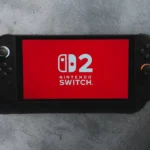
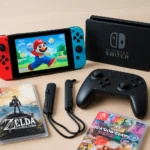
The Witcher 3 proved that the series could work on Nintendo hardware with the Switch port, which became a commercial success. If The Witcher 4 launches on PC and Xbox, a later port to whatever console succeeds the Switch would be a logical move if technically feasible. This should not delay the main release, but it should be considered in the game’s architecture. Nintendo’s next console remains unannounced, so planning for scalability now makes sense. The Witcher 4 features a multi-platform future that extends beyond day-one releases.
Why these features matter right now
CD Projekt Red has not announced The Witcher 4 features officially, and the long development timeline means the studio is still making core design decisions. Publicly articulating what players want is not pressure—it is feedback. The studio learned from Cyberpunk 2077’s troubled launch that managing expectations and delivering on promises builds trust. The Witcher 4 has the luxury of time. Using that time to nail narrative, ensure technical stability, and honor player investment from The Witcher 3 would set the foundation for another defining RPG.
How does The Witcher 4 compare to The Witcher 3?
The Witcher 3 remains the benchmark against which The Witcher 4 will be measured. The new game must match its narrative depth and side-quest quality while improving on performance and technical ambition. Building on UE5 rather than the legacy REDengine should enable better optimization and visual fidelity, but only if CD Projekt Red prioritizes stability alongside spectacle.
When will The Witcher 4 release?
No official release date has been announced. Industry estimates suggest 2027 or later as the earliest realistic window based on CD Projekt Red’s financial updates. The long timeline provides an opportunity for the studio to learn from its recent projects and deliver a game that meets both technical and creative ambitions.


Will The Witcher 4 come to Nintendo Switch?
No Nintendo release has been confirmed. The author’s wishlist includes a future port to whatever console succeeds the Switch if it is technically feasible, but this remains speculation rather than a developer commitment.
The Witcher 4 features will ultimately be determined by CD Projekt Red’s vision and technical constraints. But if the studio listens to what made The Witcher 3 resonate—strong storytelling, character depth, player agency, and world-building that rewards exploration—the next game has a genuine chance to exceed its predecessor. The wait until 2027 or beyond feels long, but it is an opportunity, not a burden.
Edited by the All Things Geek team.
Source: TechRadar