Xbox Series S bricking is now the first crisis Asha Sharma must navigate as Microsoft’s newly appointed Xbox CEO, signaling a turbulent start to her leadership amid broader questions about the division’s stability and direction.
Key Takeaways
- Asha Sharma appointed Xbox CEO, replacing retiring Phil Spencer, with background in AI product, not gaming.
- Xbox Series S bricking reported by Insider program participant after recent update; Sharma responded “Looking into this”.
- Sharma’s opening letter emphasizes “return to Xbox” and recommitment to console roots after 25 years.
- Microsoft laid off over 2,500 gaming employees since 2024 and closed multiple studios.
- In first major interview, Sharma stated “Nothing is off the table” regarding Xbox’s strategic future.
Who Is Asha Sharma and Why Does Her Appointment Matter?
Asha Sharma is the new CEO of Microsoft’s Xbox gaming division, selected by Microsoft CEO Satya Nadella to lead the company through a critical transition period. She previously served as President of Core AI Product at Microsoft, bringing expertise in consumer products and strategy but no prior gaming industry background. Her appointment replaces Phil Spencer, who is retiring after leading Xbox for years, marking a significant leadership shift at a time when Xbox faces internal and external pressure.
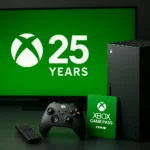
Sharma’s lack of gaming experience sparked online backlash, with critics questioning whether her AI and consumer product expertise translates to gaming leadership. However, her opening letter to Xbox staff emphasized a clear mandate: recommit to core Xbox fans and players who have invested over 25 years, support developers, and celebrate Xbox’s console roots. The messaging suggests Sharma understands the stakes—Xbox needs to rebuild trust after years of uncertainty about the division’s direction and identity.
The Xbox Series S Bricking Crisis and Sharma’s First Response
Within days of taking the helm, Sharma confronted a concrete technical crisis: an Xbox Insider reported that a recent Insider update bricked their Xbox Series S console. Rather than deflect or delay, Sharma responded directly with “Looking into this,” signaling immediate engagement with the problem. This direct response matters because it shows Sharma is willing to address fan concerns publicly, a departure from the opacity that has frustrated Xbox players during previous leadership transitions.


The bricking incident itself raises broader questions about Xbox’s quality assurance processes. Insider updates are beta software tested by volunteer participants, but a complete console failure—where the device becomes non-functional—represents a serious failure in testing rigor. Sharma’s quick acknowledgment suggests Microsoft recognizes the reputational damage a console-bricking bug can inflict, especially during a leadership transition when player confidence is already fragile. The incident also underscores a painful reality: Xbox has spent years managing crises rather than building momentum.
Massive Layoffs and Studio Closures Shadow Sharma’s Arrival
Sharma’s appointment comes against a backdrop of unprecedented turbulence within Microsoft’s gaming division. Microsoft has laid off more than 2,500 gaming employees since 2024 and shut down several studios. These cuts happened under previous leadership, but Sharma inherits the wreckage—demoralized teams, reduced development capacity, and a player base questioning whether Xbox is committed to exclusive games and console gaming at all.


The layoffs and closures create a credibility gap for Sharma. Her opening letter promises recommitment to Xbox console and developers, but the recent mass layoffs suggest Microsoft’s true priorities may lie elsewhere. Developers and players will watch whether Sharma’s words translate to rehiring, new studio investments, or concrete game announcements. Without visible action, her “return to Xbox” messaging risks sounding hollow.
“Nothing Is Off the Table”—What Sharma’s Strategy Signals
In her first major interview with Windows Central, Sharma stated “Nothing is off the table” when discussing Xbox’s future strategy, suggesting openness to major shifts in how Xbox operates. This phrasing has fueled speculation about potential multi-platform releases, changes to console exclusivity, or even shifts away from traditional console-first development. Sharma also said “That’s what I wanted to signal with the return to Xbox,” indicating she is aware of the tension between Xbox’s console heritage and potential strategic pivots.
The “nothing off the table” stance is both a strength and a weakness. It signals flexibility and openness to new ideas—valuable qualities in a leader inheriting a struggling division. But it also creates uncertainty. Xbox players have endured years of mixed messages about whether the company truly believes in console gaming or views it as a legacy business. Sharma needs to move quickly from ambiguity to clarity, defining what “return to Xbox” actually means in concrete terms: new games, exclusive titles, pricing strategy, hardware investment, or something else entirely.
The Broader Context: Xbox’s Identity Crisis
The Xbox Series S bricking incident and Sharma’s appointment collide at a moment when Xbox’s identity is fundamentally unclear. The division has pursued a multi-platform strategy that blurs the line between Xbox console exclusivity and broader gaming access, laying off thousands of employees and closing studios while simultaneously promising recommitment to console roots. For players and developers, this mixed messaging has created paralysis.


Sharma’s challenge is not just to fix technical problems like the Series S bricking issue—it is to restore clarity about what Xbox is and what it will be. Does Xbox prioritize console hardware, software, or service? Will the division invest in exclusive games or continue a platform-agnostic approach? Will Microsoft support developers or continue cutting teams? These questions hang over every statement Sharma makes and every crisis she responds to. The Series S bricking is a symptom; the underlying disease is strategic incoherence.
What Happens Next?
Sharma’s first weeks as CEO will be watched intensely. The Xbox Series S bricking incident demands a transparent fix and an explanation of how the Insider update process failed. More broadly, Sharma must demonstrate that her “return to Xbox” messaging translates to actual decisions: new game announcements, developer investments, or clear statements about Xbox’s hardware and software future.
The layoffs and studio closures cannot be undone, but Sharma can signal a change in direction through hiring, acquisitions, or partnerships. Without visible action within months, her opening letter will read as corporate rhetoric rather than a genuine strategic shift. Xbox players have heard promises before. Sharma’s credibility depends on delivering something concrete.
Is the Xbox Series S bricking widespread or isolated?
The research brief contains only a single reported case from an Xbox Insider, with no verified scope of the issue. Sharma’s “Looking into this” response suggests Microsoft is investigating whether the bricking affects other consoles or remains isolated to that one device. A public update on the investigation’s findings would help clarify whether this is a one-off edge case or a systemic quality assurance failure.
What does “return to Xbox” actually mean for Xbox’s strategy?
Sharma’s opening letter emphasizes recommitment to console roots and core Xbox fans after 25 years, but she has not detailed what this means operationally. It could signal renewed focus on exclusive games, new hardware, pricing changes, or a shift away from the multi-platform strategy pursued in recent years. Her “nothing off the table” comment suggests all options remain open, but players need clarity on priorities.
Why did Asha Sharma get appointed despite no gaming background?
Microsoft CEO Satya Nadella selected Sharma for her consumer product expertise and strategic thinking rather than gaming industry experience. In theory, fresh perspectives from outside gaming can challenge entrenched assumptions. In practice, Sharma must quickly build credibility with gaming teams, developers, and players who question whether she understands the industry’s unique challenges and culture.
Asha Sharma’s appointment as Xbox CEO began not with fanfare but with a console-bricking crisis and the weight of 2,500 layoffs hanging over her head. Her “Looking into this” response to the Xbox Series S bricking showed willingness to engage directly with player concerns, but words alone will not rebuild Xbox’s fractured credibility. Sharma must move quickly from strategic ambiguity to concrete action—new games, developer support, and clear decisions about what Xbox will be. The next few months will determine whether her “return to Xbox” is a genuine reset or another false promise.
Edited by the All Things Geek team.
Source: Windows Central