





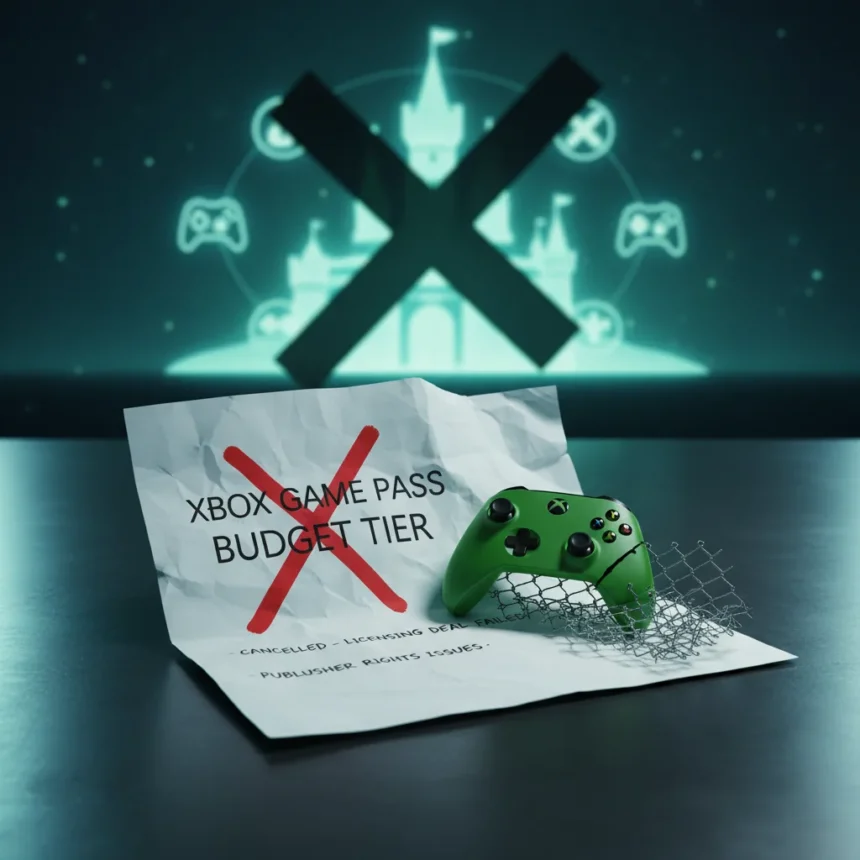
A much-requested lower-cost Xbox Game Pass subscription tier has been cancelled, according to reports—and the culprit wasn’t Microsoft’s bean counters. The cancellation of this Xbox Game Pass subscription tier reveals a messy truth about licensing agreements that often escape public view.
Key Takeaways
- A budget-friendly Xbox Game Pass subscription tier was planned but has now been scrapped.
- The cancellation was caused by licensing complications, not Microsoft’s cost-cutting decisions.
- Game Pass subscribers were anticipating a more affordable entry point into the service.
- Third-party licensing agreements create unexpected obstacles for subscription service expansion.
- The tier’s cancellation highlights how licensing restrictions shape gaming service offerings.
Why This Xbox Game Pass Subscription Tier Got Axed
The rumored budget Xbox Game Pass subscription tier faced an unusual obstacle: licensing deals with game publishers that made the lower-cost tier economically unviable. Rather than a straightforward decision by Xbox leadership, the cancellation stemmed from contractual obligations tied to individual game licenses. Publishers often negotiate different pricing tiers into their licensing agreements, meaning a cheaper subscription option would have triggered renegotiations or violated existing terms with major studios.
This kind of licensing friction rarely makes headlines. Most subscribers assume subscription pricing reflects only internal business logic—margin targets, market positioning, competitive pressure. The reality is messier. When a publisher licenses a game to Game Pass, the contract often specifies which tiers the title can appear on and at what price point. A new lower-cost tier would have required renegotiating dozens or hundreds of these individual deals, a process that would cost time and money while offering no guarantee of publisher agreement.
How Licensing Creates Hidden Barriers for Game Pass
The Xbox Game Pass subscription tier cancellation exposes a structural problem in how subscription gaming services operate. Unlike a traditional retailer that buys inventory once and resells it, subscription services must continuously negotiate with publishers about pricing, availability windows, and tier eligibility. Each game on Game Pass exists under a separate licensing agreement, and those agreements were built around the existing tier structure.


Introducing a new, cheaper Xbox Game Pass subscription tier would have forced Microsoft into a position of either accepting massive renegotiation costs or launching the tier without certain high-profile games. Either path looked unattractive. Publishers guard their pricing power fiercely—they don’t want their premium titles appearing on a rock-bottom subscription tier that undercuts their own sales. So instead of fighting these battles, Microsoft shelved the plan.
What This Means for Game Pass Subscribers
The cancellation of the rumored Xbox Game Pass subscription tier leaves subscribers with the existing tier options, each with its own cost structure and game library access. For price-conscious gamers hoping for a cheaper entry point, this is a disappointment. The budget tier would have offered a way to sample Game Pass without committing to higher monthly costs.
Going forward, expect Game Pass pricing to remain relatively stable at its current tiers. Any future expansion into lower-cost options will face the same licensing headwinds that killed this tier. Microsoft could theoretically push harder on renegotiations, but that would require leverage it may not want to spend on a lower-margin product. The company has already invested heavily in Game Pass as a premium subscription service—moving downmarket doesn’t align with that positioning.
Could Microsoft Try Again?
A future budget Xbox Game Pass subscription tier isn’t impossible, but it would require either a major shift in how publishers license games to subscription services or Microsoft accepting a significantly smaller game library on the cheaper tier. The latter option is theoretically viable—a budget tier with fewer games and shorter licensing windows could work economically. But marketing a stripped-down version of Game Pass carries its own risks, potentially confusing consumers or cannibalizing subscriptions to higher tiers.
The licensing issue that killed this tier isn’t unique to Microsoft. All major subscription services—Netflix, Disney Plus, Apple TV Plus—navigate similar contractual constraints when considering pricing changes or new tiers. The difference is that gaming licenses tend to be more granular and harder to renegotiate because games are sold through multiple channels simultaneously. A movie or show is typically exclusive to one platform, but a game might appear on Game Pass, PlayStation Plus, Nintendo Switch Online, and direct sales all at once. That fragmentation gives publishers more leverage in negotiations.
Is a cheaper Xbox Game Pass subscription tier coming back?
Unlikely in the near term. The licensing complexity that killed this tier isn’t going away, and Microsoft would need a compelling business reason to absorb the renegotiation costs. If the company sees subscriber growth slowing in price-sensitive markets, it might revisit the idea—but that would require either accepting a smaller game catalog or spending significantly on publisher negotiations.


Why do game licensing deals block cheaper subscription tiers?
Publishers want to protect their pricing power and maximize revenue across all sales channels. A cheap Game Pass tier could cannibalize direct game sales and undercut their own pricing strategies. Licensing agreements typically specify which tiers a game can appear on to prevent this kind of channel conflict.
How does this affect Game Pass competition with PlayStation Plus?
PlayStation Plus and other competing subscription services face identical licensing obstacles. None of them can simply launch a rock-bottom tier without renegotiating with publishers. The existing tier structures across the industry reflect these licensing constraints, not just strategic pricing decisions.
The cancellation of the rumored Xbox Game Pass subscription tier is ultimately a reminder that what happens behind the scenes in licensing negotiations shapes what subscribers see on their screens. Microsoft didn’t kill a budget tier because it wanted to squeeze customers—it killed it because the math didn’t work once licensing obligations were factored in. That’s less dramatic than a cost-cutting narrative, but it’s the reality of how subscription gaming actually operates.
Where to Buy
Asus ROG Xbox Ally X | Microsoft Xbox Series S | Microsoft Xbox Series X | ASUS ROG Xbox Ally
Edited by the All Things Geek team.
Source: T3




