





The Xbox rebrand raises a fundamental question about modern design: has corporate branding become so responsive to social media that it has essentially transformed into fan service? What was once a top-down process controlled by brand strategists and design teams now appears shaped by Twitter polls, Reddit threads, and YouTube commentary. This shift signals a broader democratization of design—one that blurs the line between audience feedback and actual brand strategy.
Key Takeaways
- Xbox rebrand exemplifies how social media feedback influences major corporate design decisions.
- Branding by Twitter poll represents an extreme in participatory design democratization.
- Traditional brand strategy relied on internal vision; modern rebrands increasingly respond to public sentiment.
- Fan-driven design can build loyalty but may compromise long-term brand coherence.
- The tension between corporate strategy and audience co-creation defines contemporary branding.
When Design Becomes Responsive to the Crowd
The Xbox rebrand is not simply a visual refresh—it is a case study in how major tech companies now treat brand decisions as collaborative exercises with their audience. Rather than presenting a finished rebrand and defending it, Microsoft appears to have incorporated fan feedback at multiple stages, treating social platforms as focus groups. This approach flattens the traditional hierarchy where designers and strategists decide, then announce. Instead, the audience becomes part of the decision-making process itself.
This represents a departure from how branding worked even five years ago. Coca-Cola’s logo changes, Apple’s visual evolution, and Nike’s identity updates were all internally driven, with public reaction coming after the fact. The Xbox rebrand inverts that timeline—fan reaction shapes the direction before the final decision is locked in. Whether this improves the outcome depends entirely on whether crowds are better brand strategists than professionals, a question with no clear answer.
The Problem With Branding by Social Poll
Treating branding as a popularity contest has obvious appeal: it builds community ownership and reduces the risk of a rebrand that alienates the core audience. But it also introduces design by committee, where the loudest voices on social media may not represent the broader user base, and where nostalgia often trumps innovation. A Twitter poll that asks fans to choose between a retro logo and a modern one will almost always favor the retro option—because retro feels safe, familiar, and emotionally resonant. That does not necessarily make it the right strategic choice for a brand trying to reach new audiences or evolve its market position.


The democratization of design sounds progressive until you realize that crowds are not always good at envisioning the future. They are excellent at expressing what they already like. When Microsoft asks fans what they want in an Xbox rebrand, it gets feedback rooted in nostalgia and attachment to existing visual language. What it does not get is the strategic insight needed to position the brand for the next five years of gaming hardware, software, and ecosystem shifts. That is what professional designers and brand strategists are hired to provide.
Xbox Rebrand in Context: Strategy vs. Sentiment
The Xbox rebrand is not unique in this regard. Gaming companies, streaming services, and consumer tech brands have all begun treating their audiences as collaborative partners in design decisions. This reflects a genuine shift in how audiences expect to be treated—as stakeholders rather than passive consumers. Social media has given fans a megaphone, and companies have learned that ignoring that megaphone can result in backlash, memes, and viral criticism that damages the brand more than the original design ever could.

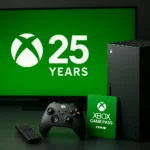

The tension here is real: a rebrand shaped entirely by internal strategy may miss genuine user concerns and produce something the audience rejects. A rebrand shaped entirely by social feedback may preserve nostalgia at the expense of growth and modernization. The Xbox rebrand appears to have landed somewhere in the middle—responsive to fan sentiment without abandoning design coherence. Whether that balance holds depends on whether the rebrand actually serves the brand’s long-term strategic goals or simply reflects what fans voted for in a poll.
Does Fan-Driven Design Build Better Brands?
There is an argument that participatory design strengthens brand loyalty. When fans feel heard and see their feedback reflected in the final product, they become invested in defending and promoting it. The Xbox rebrand, shaped in dialogue with its audience, may generate more goodwill than a rebrand that felt imposed from above. That emotional investment has real value—it turns customers into advocates.
But there is also a cost. Brands that are too responsive to current sentiment may lose the ability to lead rather than follow. They become reactive, always chasing what fans want rather than deciding what the brand should become. A truly innovative rebrand often feels unfamiliar at first, even uncomfortable. It asks the audience to grow into it rather than simply confirming what they already like. The question for Xbox is whether the rebrand represents genuine strategic evolution or simply a reflection of what the audience already expected to see.
What Happens When Branding Becomes Crowdsourced?
If the Xbox rebrand signals a broader trend—where major brands increasingly treat design as a crowdsourced exercise—the implications are significant. It suggests that brand strategy is becoming more democratic and less hierarchical, which sounds positive until you consider the creative risks it eliminates. The most memorable rebrands often involved bold choices that felt risky at the time. Branding by social poll tends to eliminate risk in favor of consensus, which is safer but potentially less distinctive.


The real question is whether companies should be using social media as a design tool or as a market research tool. There is a difference. Market research tells you what audiences think and feel; design strategy uses that information to make bold choices. When companies conflate the two—when they let social media polls directly determine design—they risk losing the strategic vision that separates a strong rebrand from a safe one.
Is fan feedback a legitimate design input?
Yes, but with limitations. Fan feedback reveals what audiences value, what resonates emotionally, and what might alienate them. That information is useful for designers and strategists. However, fans are not trained to think about long-term brand positioning, market differentiation, or strategic evolution. Treating their preferences as the primary driver of design decisions inverts the proper relationship between audience research and professional strategy.
Can a rebrand shaped by social media still feel authentic?
Authenticity is less about the process and more about whether the final design actually reflects the brand’s values and direction. A rebrand can be shaped by fan feedback and still feel authentic if that feedback genuinely aligns with where the brand is heading. The risk is when brands chase sentiment just to avoid criticism, producing something that feels focus-grouped rather than intentional.
What does the Xbox rebrand mean for other tech brands?
It suggests that major consumer brands increasingly see their audiences as collaborative partners rather than recipients of finished work. This trend will likely accelerate—companies have learned that public participation in design builds loyalty and reduces backlash. Whether this produces better brands or simply safer ones remains to be seen.
The Xbox rebrand is ultimately a symptom of a larger shift in how brands operate. In an era where social media gives audiences a direct voice, companies can no longer afford to ignore that voice. The question is not whether to listen to fans, but how to balance their feedback against the strategic vision that drives long-term brand success. The rebrand that emerges from that tension—responsive without being reactive, inclusive without losing direction—is the one that will actually matter.
Edited by the All Things Geek team.
Source: Creativebloq




