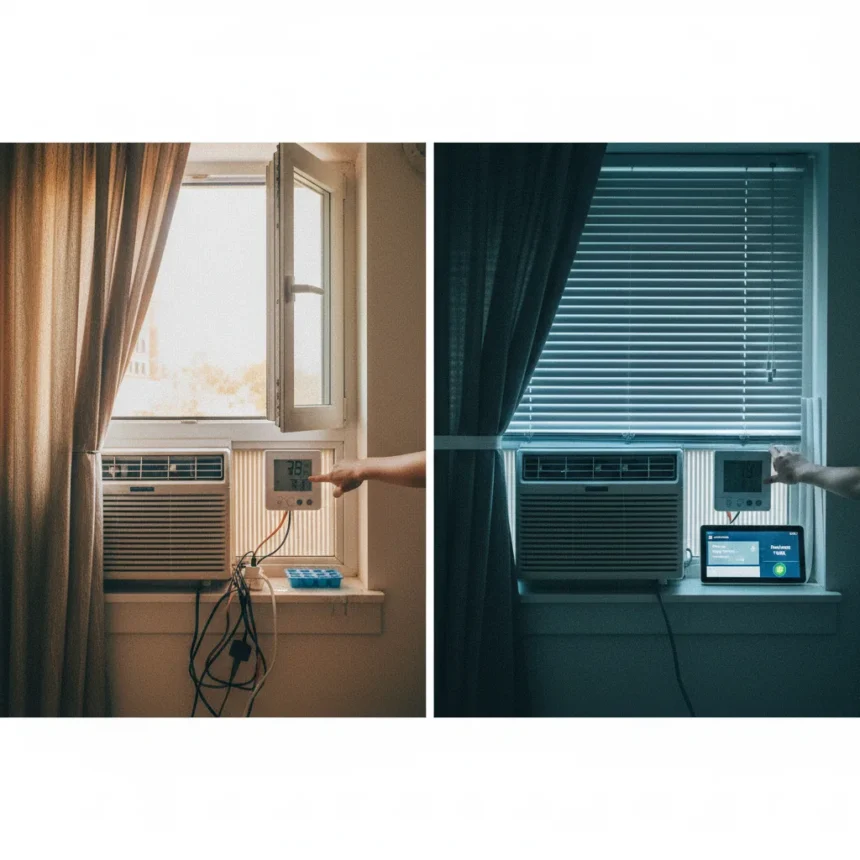
AC mistakes heatwave season exposes are costing homeowners thousands in repairs and energy bills. As unusual heat patterns bring summer temperatures to unexpected places—like early April heatwaves on the East Coast—your air conditioning system faces unprecedented stress. The difference between a system that survives the season and one that fails mid-heat often comes down to five specific habits you need to stop immediately.
Key Takeaways
- Stop using heat-generating appliances during peak heat hours to reduce AC workload
- Blocking airflow around your AC unit forces it to work harder and fail faster
- Five specific behavioral changes protect your AC during extreme temperatures
- Early heatwaves in spring make AC protection urgent before peak summer demand
- Avoiding these mistakes prevents breakdowns, lower energy bills, and extends system lifespan
Why AC mistakes heatwave season matters right now
Your air conditioning system is not designed to run continuously at maximum capacity. When you commit AC mistakes during heatwave conditions, you force the compressor and refrigerant lines to work beyond their intended limits, accelerating wear and increasing failure risk. The timing is critical: unexpected early heat waves mean cooling demand spikes before homeowners expect it, catching systems unprepared. Protecting your AC now prevents the nightmare of a breakdown during peak heat, when repair technicians are booked solid and replacement units cost thousands.
The five mistakes fall into one clear category: behaviors that increase heat load on your system or block the airflow it needs to function efficiently. Some are obvious. Others are habits so routine you have never considered their impact on your cooling.
Stop using heat-generating appliances during peak hours
Using your oven, dryer, or other heat-producing appliances during the hottest part of the day directly increases the temperature your AC must fight. Every degree of indoor heat your system removes is energy wasted and lifespan lost. This is not about minor efficiency losses—it is about forcing your compressor to cycle more frequently, generating heat inside the unit itself and accelerating component degradation. If you must use these appliances, run them early morning or late evening when outdoor temperatures are lower and your AC can operate more efficiently.


The same principle applies to incandescent lighting and unnecessary electronics. Heat from inside the home is heat your AC must actively remove. During extreme heat, every watt of internal heat generation matters.
Clear airflow around your outdoor unit immediately
Blocked airflow is one of the fastest ways to kill an air conditioning system. Your outdoor condenser unit needs unobstructed air circulation to release heat extracted from inside your home. Leaves, debris, plants, fences, or even parked cars positioned too close to the unit force it to work harder to expel that heat. A clogged condenser can cause refrigerant pressure to spike, potentially damaging the compressor. Check your outdoor unit now: clear a three-foot radius around all sides. Do not plant shrubs close to it or allow grass to grow against the fins.


Stop closing vents to save energy
Closing interior vents or blocking return air grilles seems logical—why cool rooms you are not using? In practice, it backfires. Your AC system is balanced to distribute airflow across all ducts. When you close vents, you increase pressure in the ductwork and force the system to work harder to maintain the same cooling effect. This pressure buildup can damage ductwork seals and strain the blower motor. Keep all vents open during a heatwave, even in unused rooms. If you want to reduce cooling in certain areas, use a smart thermostat or zone control system instead.
Avoid setting your thermostat too low
Setting your thermostat to 65°F when it is 100°F outside does not cool your home faster—it just makes your AC run continuously at maximum capacity until it reaches that temperature, then cycle constantly to maintain it. This accelerates compressor wear and drives energy bills through the roof. Instead, set your thermostat to a reasonable temperature (72-76°F) and give your system breathing room. You can always adjust down slightly if needed, but extreme temperature differentials are the enemy of AC longevity.
Stop neglecting filter changes
A clogged air filter is the simplest mistake that causes the most damage. When your filter is dirty, airflow restriction forces your blower to work harder, reducing cooling capacity and increasing energy consumption. During a heatwave, a clogged filter can be the difference between adequate cooling and system failure. Check your filter every month during summer and replace it if it looks dark or clogged. A clean filter costs nothing compared to a compressor replacement.
What alternatives exist if your AC fails?
If your system does break down during extreme heat, you have budget-friendly temporary solutions. A DIY air cooler using a frozen water bottle, damp cloth, and a standard fan costs nothing and can cool a room for 3-4 hours. Aluminum foil ($2 per roll) applied to south-facing windows reflects heat away from your home. Tower fans and misting fans like the Shark FlexBreeze HydroGo provide supplemental cooling when your main system is down. These are not replacements for AC, but they buy time until repairs are possible.



FAQ
How often should I clean my AC unit during a heatwave?
Check your outdoor condenser unit weekly during extreme heat for debris accumulation. Clear any leaves, dirt, or vegetation immediately. Check and replace your indoor air filter monthly, or more frequently if you have pets or live in a dusty area. A clogged filter during peak cooling season reduces efficiency dramatically.
Can closing vents really damage my air conditioning system?
Yes. Closing vents increases ductwork pressure and forces your system to work harder to maintain airflow balance. During a heatwave, this pressure buildup stresses the blower motor and can damage duct seals. Keep all vents open and use a thermostat adjustment instead if you want to reduce cooling in specific rooms.
What temperature should I set my thermostat during a heatwave?
Set your thermostat to 72-76°F during extreme heat. Pushing it lower (65°F or below) forces continuous maximum-capacity operation, accelerating compressor wear and driving energy costs up without proportional cooling benefit. A modest temperature differential between indoors and outdoors is more sustainable for your system.
Your air conditioning system is not a luxury—it is critical infrastructure during a heatwave. Stop these five mistakes now, and you protect not just your comfort, but your wallet and your system’s lifespan. The cost of prevention is zero. The cost of a compressor replacement is thousands.
Where to Buy
AmazonShark Chillpill, 3-In-1 Personal Cooling System With Fan$149.99shop now | AmazonDyson HushJet™ Mini Cool fan$99.99shop now | AmazonDreo Fan for Bedroom$109.99shop now | 14% OFFAmazonNinja Slushi With Rapidchill Technology$299.49$349.99shop now
Edited by the All Things Geek team.
Source: Tom's Guide