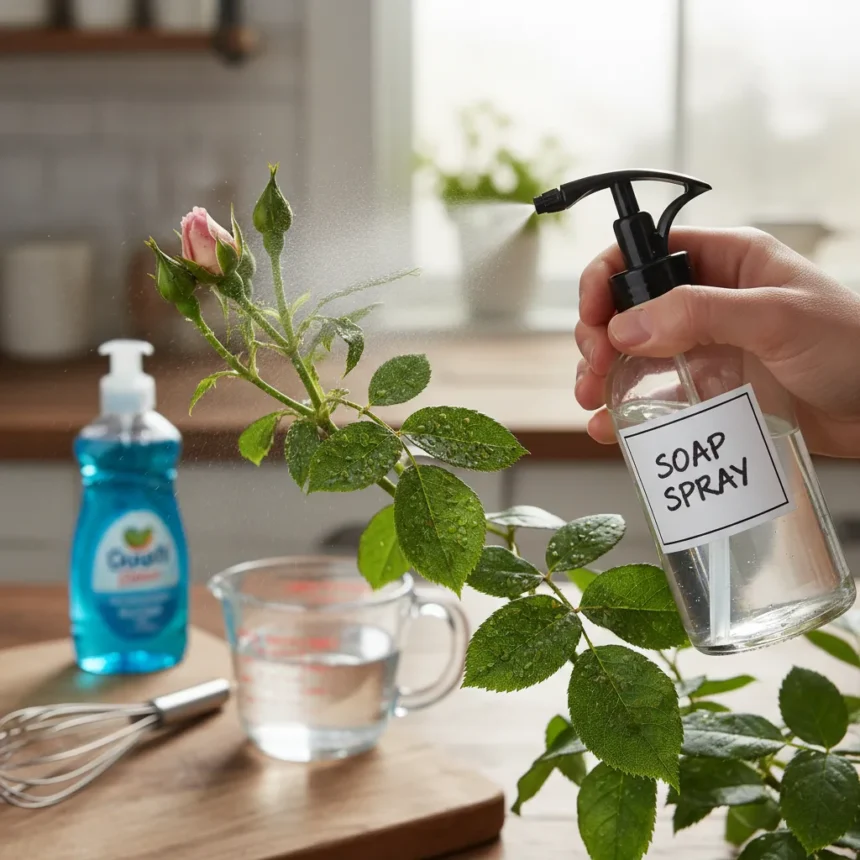
A DIY soap spray aphids solution made from two household ingredients—dish soap and water—can eliminate one of the most destructive pests threatening rose gardens. The spray works by suffocating aphids, with visible results appearing within one to two days of application. This approach offers home gardeners a non-toxic, cost-effective alternative to chemical pesticides, particularly useful during spring and summer when aphid populations surge.
Key Takeaways
- Mix 1 tablespoon mild dish soap with 1 quart of water in a spray bottle for the complete DIY soap spray aphids treatment.
- Aphids suffocate when the soap coating disrupts their respiratory system, with effectiveness visible in 1-2 days.
- Apply every 3-5 days or after rain; safe for humans, pets, and beneficial insects like ladybugs when used as directed.
- Spray early morning or evening to prevent sunburn damage; test on a small area first.
- Total cost is minimal—dish soap costs $2-4, water is free, and a reusable spray bottle runs $1-3.
What Is a DIY Soap Spray Aphids Treatment?
The DIY soap spray aphids method is a gardening technique using mild dish soap dissolved in water to control aphid infestations on roses and other plants. The soap disrupts the waxy coating on aphid bodies, causing them to dehydrate and suffocate within hours. A gardener who relies on this approach reports it is the primary method keeping aphids off her roses, highlighting its practical effectiveness for home cultivation.
Aphids themselves are small, pear-shaped insects that appear in green, black, or white varieties. They feed by piercing plant tissue and extracting sap, which causes leaves to curl, promotes sticky honeydew secretion, and eventually leads to sooty mold growth—a cascade of damage that weakens roses and diminishes their visual appeal. The DIY soap spray aphids solution targets this problem at its source without introducing synthetic chemicals into the garden ecosystem.
How to Mix and Apply DIY Soap Spray Aphids
The recipe for DIY soap spray aphids is straightforward: combine 1 tablespoon of mild dish soap (fragrance-free varieties like Dawn are preferred) with 1 quart of warm water in a spray bottle. Shake gently to mix, avoiding excessive bubbling, then proceed to application. Before treating the entire plant, spray one leaf or stem and wait 24 hours to check for adverse reactions like browning or wilting.


When applying the DIY soap spray aphids solution, spray directly onto affected areas, paying special attention to leaf undersides where aphids cluster. Cover the insects thoroughly so the soap can coat their bodies effectively. Apply during early morning or evening hours to avoid sun exposure, which can cause leaf damage. After one to two hours, once aphids have died, you may optionally rinse plants with plain water to remove residue. Repeat the treatment every three to five days, or immediately after heavy rain, monitoring continuously for new aphid activity.
Why DIY Soap Spray Aphids Works Better Than Alternatives
The DIY soap spray aphids approach offers advantages over several competing methods. Garlic spray, which relies on sulfur compounds to repel aphids, functions primarily as a preventative rather than a killing agent and requires planting garlic as a companion plant. Baking soda mixtures serve as a chemical-free repellent but lack the immediate knockdown power of soap. Commercial neem oil and insecticidal soaps deliver stronger results but risk harming beneficial insects like ladybugs, whereas the DIY soap spray aphids formula, when applied as directed, leaves beneficial populations intact.


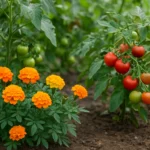
The DIY soap spray aphids method also avoids the complexity and expense of companion planting strategies. While marigolds, lavender, rosemary, and oregano deter aphids through their natural scents, establishing these plants requires time and garden space. The soap solution delivers immediate control without waiting for plants to mature or relying on their scent diffusion. For gardeners facing active infestations rather than preventative concerns, the DIY soap spray aphids approach provides faster, more reliable results.
Safety and Frequency of Use
The DIY soap spray aphids solution is non-toxic to humans and pets when used as directed. Repeated applications every three to five days pose no safety risk, making this method suitable for ongoing aphid management throughout the growing season. The formula’s safety profile extends to beneficial insects, including ladybugs and other natural aphid predators, preserving the garden’s ecological balance.
Before starting treatment, ensure you are using a mild dish soap; concentrated or heavily perfumed varieties may damage plant tissue. Always test the DIY soap spray aphids mixture on a small area first, waiting a full day before full application. This precaution prevents accidental damage to prized roses. If rain occurs shortly after application, plan to reapply, as moisture dilutes the soap coating and reduces effectiveness. Store the mixed solution in a cool location and shake before each use to maintain consistent concentration.
Cost Comparison: DIY Soap Spray Aphids vs. Commercial Options
The financial advantage of DIY soap spray aphids is substantial. A bottle of mild dish soap costs between $2 and $4 and lasts for dozens of applications. Water is free from any household tap. A reusable spray bottle, if you do not already own one, costs $1 to $3 and serves for years. Total startup cost rarely exceeds $8, and ongoing treatments cost pennies per application. Commercial insecticidal soaps and neem oils, by contrast, require purchasing specialized products that cost significantly more per ounce and may require multiple purchases throughout a season.


When to Apply DIY Soap Spray Aphids for Best Results
Timing matters for the DIY soap spray aphids strategy. Apply treatments during early morning or evening when temperatures are cooler and beneficial pollinators are less active. Avoid spraying during peak sunlight, as the combination of soap residue and direct sun can scorch leaves. Spring and early summer represent the critical window, as aphid populations explode during warm months when roses are actively blooming and most vulnerable to damage.
Monitor roses regularly for the first signs of aphid activity—curled leaves, sticky honeydew on stems, or clusters of small insects on new growth. Early intervention with DIY soap spray aphids prevents infestations from spiraling into severe damage. Once you establish a three-to-five-day spray schedule, maintain it consistently through the season. After heavy rain, inspect plants and reapply immediately, since rain washes away the protective soap coating.
Can I use any dish soap for the DIY soap spray aphids treatment?
Mild, fragrance-free dish soaps like Dawn work best for DIY soap spray aphids. Avoid concentrated formulas, antibacterial varieties, or heavily perfumed soaps, which can damage plant tissue. Test any new soap on a single leaf before full application to confirm compatibility with your roses.
How quickly does DIY soap spray aphids kill existing infestations?
The DIY soap spray aphids solution kills aphids by suffocation within hours of application. Visible results—dead insects and reduced damage—appear within one to two days. Repeat applications every three to five days eliminate new aphids and prevent re-infestation.
Is DIY soap spray aphids safe for all rose varieties?
The DIY soap spray aphids formula is safe for most rose varieties when applied correctly. Always test on a small area first and avoid spraying during peak sunlight. If a particular rose shows sensitivity after 24 hours, discontinue use on that plant and switch to an alternative method.
The DIY soap spray aphids approach represents a practical, affordable solution for gardeners who want to protect roses without relying on synthetic chemicals. By mixing two household ingredients and following a simple application schedule, you eliminate aphids before they cause lasting damage. For those serious about organic gardening, this method delivers results that match or exceed commercial alternatives at a fraction of the cost.
Where to Buy
AmazonBealee Spray Bottle for Plants, 2 Pack$8.57shop now | 17% OFFFelco F2 Pruning Shears$71$86shop now | Amazing StuffGarden Gloves$9.99shop now
Edited by the All Things Geek team.
Source: Tom's Guide