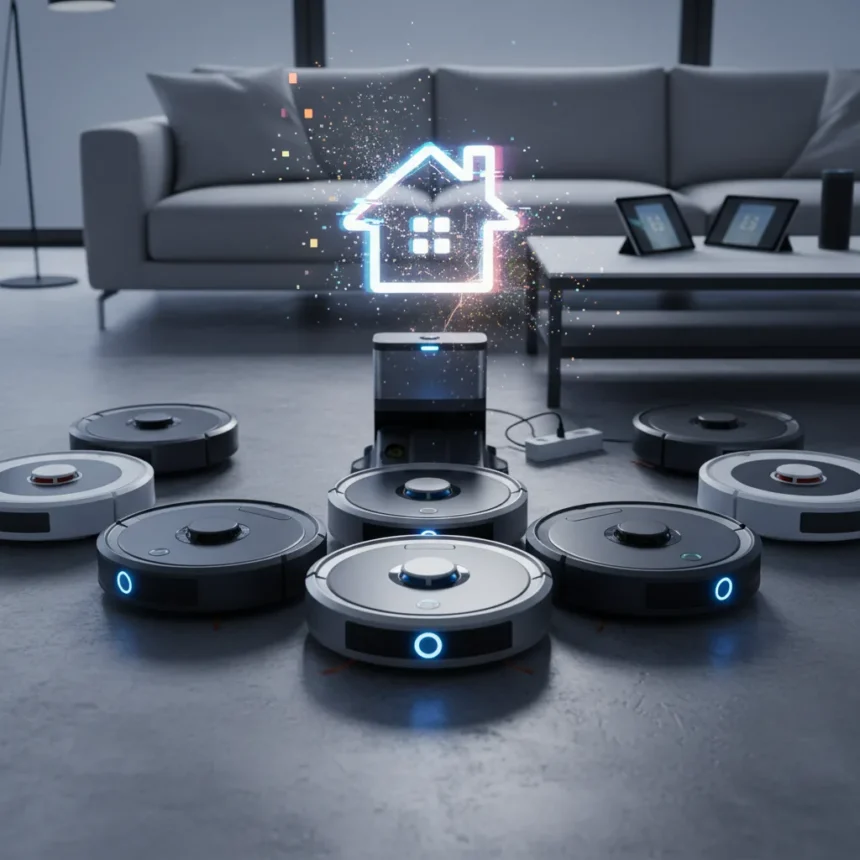
iRobot new Roomba models just hit the market, and the company is banking on a wave of excitement to recapture momentum in a category where competition has intensified dramatically. Yet after examining the full lineup, the most hyped entries feel more like iterative tweaks than genuine innovation. The vacuum market has moved fast—competitors have raised the bar on autonomous cleaning, obstacle avoidance, and integration with broader smart home ecosystems. iRobot’s new Roombas address some of these gaps, but not all of them, and not convincingly enough to justify the premium pricing these models command.
Key Takeaways
- iRobot new Roomba models introduce incremental improvements over predecessors rather than category-defining features.
- Competitor vacuum brands have advanced faster on autonomous navigation and smart home integration in recent years.
- The most anticipated new Roomba models lack features that buyers in the mid-to-premium segment now expect as standard.
- iRobot’s ecosystem positioning remains a strength, but it is not enough to offset the feature gaps in the new lineup.
- Early adopters may find value, but mainstream buyers should compare against Dyson and Eufy alternatives before committing.
What iRobot new Roomba models actually deliver
iRobot’s new Roomba models represent the company’s attempt to stay relevant in a market where robot vacuums have become genuinely intelligent appliances rather than simple floor-cleaning gadgets. The lineup includes several models across price points, each claiming improvements in navigation, suction power, and app integration. However, the improvements are largely incremental—better mapping algorithms, slightly more powerful motors, and refined dustbin capacity. None of these are bad things, but they are also not surprising or particularly differentiated in 2025.
The core issue is that iRobot new Roomba models do not address the biggest pain point that smart home buyers face: seamless integration with existing ecosystems. Competitors like Dyson and Eufy have invested heavily in multi-device coordination, air quality monitoring during cleaning, and voice assistant compatibility that feels native rather than bolted-on. iRobot’s new Roombas still feel like they are playing catch-up on this front, offering app control and basic scheduling but lacking the deeper ecosystem hooks that make a vacuum feel like part of your home rather than just a tool you own.
How iRobot new Roomba models compare to the competition
The robot vacuum market has evolved dramatically in the past two years. Dyson released air purifiers with clever features that appeal to the same buyers who want their vacuums to do more than vacuum. Eufy’s new Omni S2 robot vacuum leaves homes smelling like a spa thanks to built-in air fresheners—a feature that directly addresses the sensory experience of home cleaning, not just the mechanical outcome. These are not gimmicks; they are genuine value-adds that justify premium pricing because they solve real problems buyers did not know they had.


By contrast, iRobot new Roomba models stick to the traditional vacuum formula: navigate, clean, return to dock, empty. The company has optimized each of these steps, but it has not reimagined what a robot vacuum can be. Competitors have. That gap is not insurmountable, but it is significant enough that buyers in the premium segment should seriously evaluate alternatives before settling on a new Roomba. The question is not whether iRobot new Roomba models are good—they are—but whether they are good enough to justify their price when the market offers more innovative approaches to the same problem.
Which iRobot new Roomba models are worth your money
Not all of the new Roombas are created equal. Within the lineup, a few models stand out as more compelling than others, though even the best entries in the range feel like solid incremental upgrades rather than must-have purchases. If you are already committed to the iRobot ecosystem or you prioritize brand loyalty, certain models in the new Roomba range offer better value than their siblings. But if you are shopping for your first premium robot vacuum or you are open to switching brands, the case for iRobot new Roomba models becomes weaker. You are paying premium prices for products that offer mid-tier innovation relative to what Dyson and Eufy are shipping right now.

The real strength of iRobot new Roomba models lies in their reliability and the maturity of the ecosystem. If you already own other iRobot products or you value the peace of mind that comes from a brand with decades of vacuum expertise, there is a logical case for staying within the family. But that argument is emotional, not technical. Technically, iRobot new Roomba models do not lead the category anymore. They follow it.
Should you buy iRobot new Roomba models right now?
If you need a robot vacuum today and you are not concerned about latest features, iRobot new Roomba models are competent machines that will clean your floors reliably. If you are the type of buyer who gets excited about the latest smart home gadgets and you want your vacuum to do more than just vacuum, you should wait and see how competitors respond to this launch. iRobot new Roomba models are safe choices, not bold ones. In a market where bold choices are becoming the baseline, that is a problem.
Are iRobot new Roomba models worth upgrading from an older Roomba?
If you own a Roomba from the last two to three years, upgrading to iRobot new Roomba models is hard to justify. The improvements are real but modest—better mapping, slightly improved suction, refined app controls. None of these justify the cost of replacement unless your current vacuum is failing. Save your money or invest in a completely different brand to experience what genuine innovation in the category looks like.
Do iRobot new Roomba models work with Google Home and Alexa?
iRobot new Roomba models support voice control through Google Home and Alexa, but integration remains basic compared to what some competitors offer. You can start, stop, and schedule cleaning sessions via voice, but deeper ecosystem features—like triggering cleaning based on air quality sensors or coordinating with other smart appliances—are limited. The connectivity is there, but the intelligence is not.


iRobot new Roomba models are solid products that will serve their purpose well. But they are not the category leaders they once were, and the company’s new lineup does not change that trajectory. If you are shopping for a premium robot vacuum in 2025, treat this launch as one option among several, not as the default choice.
Edited by the All Things Geek team.
Source: Tom's Guide