





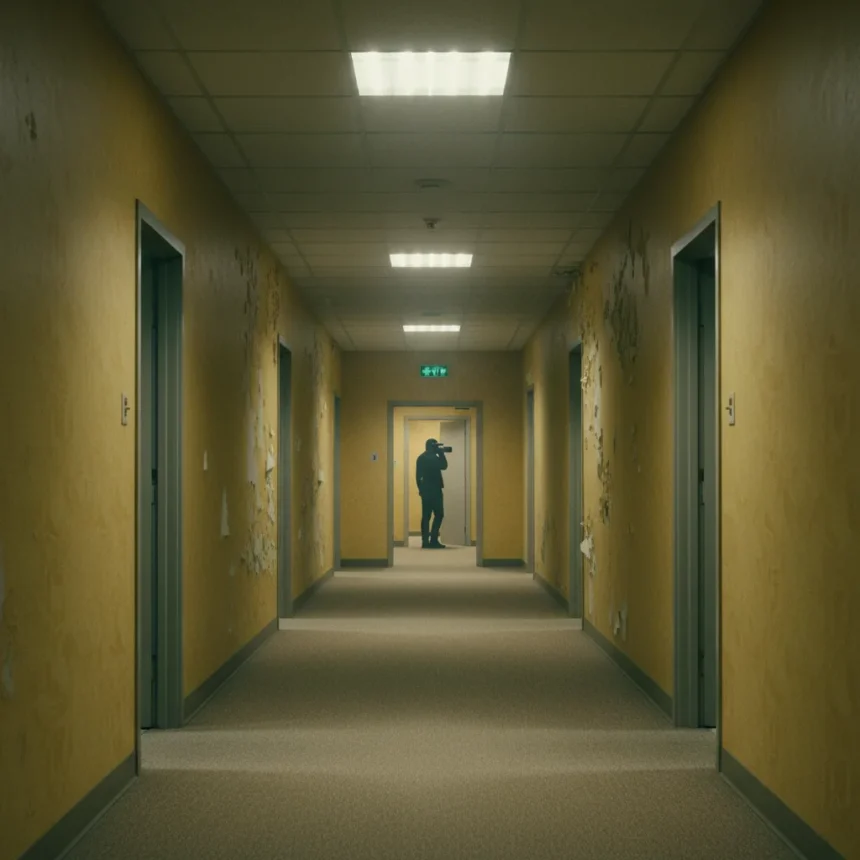
Backrooms is a gripping psychological YouTube horror movie that combines the raw found-footage dread of Blair Witch with the escalating tension of Cabin in the Woods, and it works in ways most theatrical horror films fail to achieve. The film positions itself as a serious horror experience rather than a niche web project, proving that YouTube can serve as a legitimate platform for genre cinema that makes audiences audibly gasp in the theater.
Key Takeaways
- Backrooms blends psychological horror with found-footage aesthetics for maximum dread
- The film delivers genuine scares that provoke visceral audience reactions
- YouTube horror proves it can compete with traditional theatrical releases
- Tonal comparisons to Blair Witch and Cabin in the Woods capture the film’s approach
- The movie succeeds by combining familiar horror influences in unexpected ways
Why Backrooms Works as Serious Horror Cinema
Most YouTube horror projects struggle to translate web-native storytelling into something that justifies a theatrical experience. Backrooms sidesteps this problem entirely by embracing psychological tension over spectacle. The film’s strength lies in its restraint—it trusts the audience to fill gaps with dread rather than overwhelming them with jump scares or CGI excess. This approach mirrors what made Blair Witch effective in 1999: the power of suggestion, the uncertainty of what lurks just outside the frame, and the slow erosion of safety as the narrative progresses.
The comparison to Cabin in the Woods adds another layer to understanding Backrooms’ appeal. Where Cabin in the Woods deconstructs horror tropes with meta-awareness, Backrooms appears to reconstruct them with genuine menace. The film respects the genre conventions it employs, using them not as scaffolding for irony but as tools for authentic fear. This tonal balance—honoring horror tradition while executing it with precision—is what elevates the film beyond typical YouTube fare.
The Backrooms YouTube Horror Movie Advantage
Releasing on YouTube rather than through traditional theatrical distribution creates an interesting paradox for Backrooms. The platform’s association with amateur content and short-form entertainment makes the film’s theatrical presentation feel transgressive. Audiences arriving at a cinema expecting polished studio product instead encounter something raw and unsettling, which amplifies the psychological impact. The YouTube origin story becomes part of the viewing experience rather than a liability.

This positioning also reflects a broader shift in how horror reaches audiences. The film proves that YouTube horror movies can demand serious critical attention and theatrical respect. Backrooms doesn’t apologize for its platform of origin—it weaponizes the audience’s preconceptions about what YouTube horror typically delivers, then subverts those expectations with craft and discipline.
What Makes Backrooms Different From Standard Horror
The film’s psychological focus distinguishes it from horror that relies on gore, creature design, or supernatural spectacle. By grounding the experience in human vulnerability and environmental dread, Backrooms creates a horror space that feels claustrophobic and inescapable. The found-footage aesthetic reinforces this: there is no camera operator to cut away, no director to provide relief. The viewer is trapped in the same space as the characters, forced to witness whatever unfolds without the comfort of cinematic distance.



The comparison framework—Blair Witch meets Cabin in the Woods—captures something essential about the film’s DNA. It suggests a project that understands found-footage tradition while also recognizing that modern audiences expect narrative complexity and thematic depth. Backrooms appears to deliver on both fronts, which is why it registers as a genuine achievement rather than a curiosity.
Does Backrooms Deliver on Its Horror Promise?
Yes. The film achieves what it sets out to do: provoke audible gasps and sustained unease. It respects the audience’s intelligence by refusing to explain everything, by maintaining ambiguity about what is happening and why, and by trusting that psychological horror—the kind that lives in the viewer’s mind after the credits roll—is more effective than any on-screen monster could be.
How does Backrooms compare to other YouTube horror projects?
Most YouTube horror content prioritizes shock value or novelty over sustained tension. Backrooms distinguishes itself through its commitment to psychological storytelling and its willingness to let scenes breathe rather than cutting constantly for impact. The film treats its premise with the seriousness of a theatrical release rather than optimizing for short attention spans.
Is Backrooms worth watching in a theater?
The theatrical experience is essential to Backrooms’ impact. The film is designed to work in a shared space where audience reactions amplify individual fear responses. Watching alone on a screen diminishes the communal dread that makes the experience effective. The theater transforms Backrooms from a YouTube curiosity into a genuine horror event.



Backrooms succeeds because it refuses to apologize for being a YouTube horror movie while simultaneously refusing to settle for the limitations that label typically implies. It delivers genuine scares, respects its audience, and proves that psychological horror—whether born on YouTube or in a studio lot—can still provoke real fear. For anyone seeking horror cinema that actually unsettles rather than simply entertains, Backrooms is worth the trip to the theater.
Edited by the All Things Geek team.
Source: Tom's Guide




