




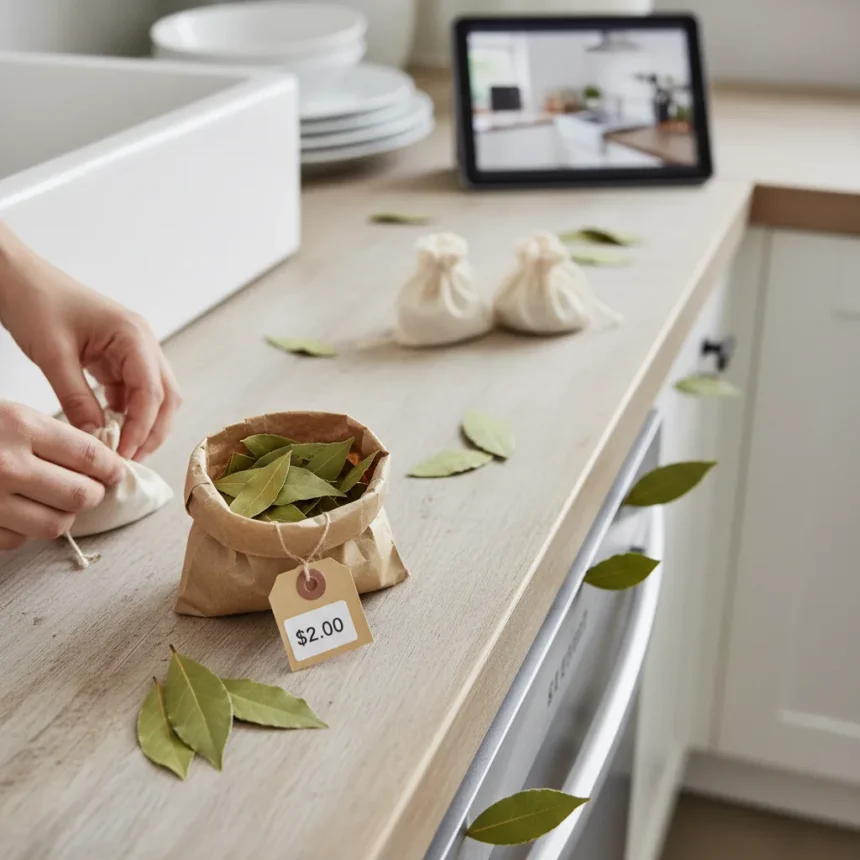
Bay leaves cockroach repellent is a cheap, natural solution that keeps roaches away without toxic chemicals. Fresh or dried bay leaves from the Laurus nobilis bay laurel tree produce a bitter aroma that cockroaches find irritating, causing them to avoid treated areas. At roughly $2 for a small packet at any grocery store, this approach costs far less than commercial pesticides and works through simple deterrence rather than killing.
Key Takeaways
- Bay leaves repel cockroaches through scent alone; they do not kill or eliminate infestations
- Cost is approximately $2 for a packet of dried leaves available year-round
- Fresh leaves have stronger aroma than dried; dry leaves retain fragrance for up to one year
- Placement in kitchens, under appliances, and near garbage is most effective
- Sanitation and food storage are essential—bay leaves deter but cannot substitute for cleanliness
How Bay Leaves Cockroach Repellent Works
The mechanism is straightforward: cockroaches dislike the scent of bay leaves and actively avoid spaces where they are present. Unlike chemical pesticides that poison or kill, bay leaves work purely through olfactory repulsion. Fresh bay leaves deliver a more potent, bitter aroma than dried varieties, though dried leaves maintain their fragrance for up to one year, making them practical for ongoing use. The leaves themselves do not crumble or degrade quickly, so they are easy to sweep up and replace when their scent fades.
This deterrent approach has a critical limitation: it prevents roaches from entering treated areas but will not eliminate an existing infestation. If your home already has a severe cockroach problem, bay leaves alone cannot solve it. They work best as a preventive measure in combination with rigorous sanitation.
Where to Place Bay Leaves in Your Home
Placement matters more than quantity. Focus on areas where cockroaches are most likely to forage or hide: kitchens, dining spaces, and areas near food storage. Scatter individual bay leaves in these zones, or fill shallow bowls or containers with them and position the containers strategically around your home. Under the kitchen sink, behind the refrigerator, inside cupboards, and beneath the stove are prime spots. Do not forget to place a few leaves under your garbage can, where roaches congregate to feed. For concentrated coverage, pulverize a handful of bay leaves into powder and sprinkle it around identified cockroach hotspots.



The goal is saturation of scent in vulnerable areas without overwhelming your living space with the smell. Bay leaves produce a pleasant, culinary aroma to humans, so moderate use will not make your home smell like a kitchen pantry.
Bay Leaves Cockroach Repellent vs. Other Natural Deterrents
Peppermint leaves are sometimes cited as an alternative roach deterrent, though results vary inconsistently. Catnip (Nepeta cataria) also repels cockroaches according to research, and catnip oil has been shown effective against mosquitoes, making it a dual-purpose option for some households. Bay leaves, however, remain the most accessible and cost-effective option, with consistent anecdotal evidence of success when used correctly. Other DIY approaches exist, but bay leaves stand out for their affordability, availability, and ease of deployment.


Chemical pesticides kill roaches but introduce toxins into your home, creating risks for pets and children. Bay leaves eliminate that concern entirely, though they sacrifice the killing power of conventional insecticides.
Growing Your Own Bay Laurel for Ongoing Supply
If you want a renewable source of fresh bay leaves, bay laurel trees can be grown indoors in USDA zones 8–11 or cultivated as houseplants in cooler climates. This approach requires patience—bay trees grow slowly—but provides a continuous supply of fresh leaves with stronger repellent properties than store-bought dried varieties. Seeds and small plants are widely available from garden centers and online retailers.
Why Sanitation Remains Non-Negotiable
Bay leaves deter roaches, but they do not address what attracts them in the first place: food residues, crumbs, and moisture. A kitchen with bay leaves scattered everywhere but dirty counters and open food will still draw cockroaches. Use bay leaves as part of a comprehensive approach: seal food in airtight containers, clean up spills immediately, take out garbage regularly, and fix any water leaks. Bay leaves are the deterrent layer; sanitation is the foundation.
Is bay leaves cockroach repellent safe for pets and children?
Yes. Bay leaves are food-grade and non-toxic. They pose no risk if a child or pet ingests them, though they are not palatable and unlikely to be eaten. Unlike chemical pesticides, there are no fume inhalation hazards or residue concerns.


How often should you replace bay leaves?
Fresh bay leaves lose potency within a few weeks as their aroma fades. Dried leaves retain fragrance for up to one year. Replace them when you notice the scent has diminished or at least every 3–4 months for consistent deterrence.
Can bay leaves eliminate a cockroach infestation?
No. Bay leaves repel roaches from treated areas but cannot kill them or eliminate an existing population. If you have an active infestation, bay leaves should complement professional pest control or stronger interventions, not replace them.
Bay leaves cockroach repellent offers an affordable, non-toxic entry point for roach prevention. At $2 per packet, the financial risk is minimal, and the environmental benefit is real. For households seeking to keep roaches at bay without chemicals, bay leaves deserve a place in your pest management toolkit—provided you pair them with the sanitation habits that truly keep pests away.
Edited by the All Things Geek team.
Source: Tom's Guide