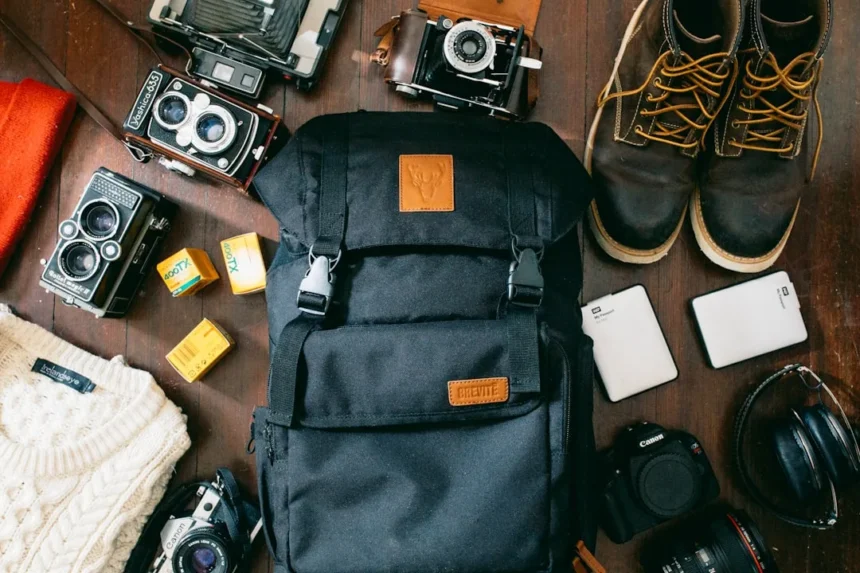
Peak Design’s 2-in-1 backpack and camera bag represents a shift in how travel photographers approach packing for expeditions. The bag merges traditional backpack versatility with dedicated camera storage, eliminating the need for separate gear solutions on the road. This hybrid design emerged as part of Peak Design’s broader four-bag product launch, which generated $2.4 million in crowdfunding support on Kickstarter.
Key Takeaways
- Peak Design launched four new camera bags with $2.4 million in Kickstarter backing
- The 2-in-1 design combines backpack and camera bag functionality in one piece
- Aimed specifically at travel photographers who need flexible storage solutions
- Part of Peak Design’s expanded outdoor and camera gear lineup
- Hybrid design eliminates the need to carry separate camera and travel bags
Why the 2-in-1 backpack and camera bag matters for travel photographers
Travel photographers face a persistent problem: balancing camera protection with everyday practicality. Most solutions force a choice between a dedicated camera bag that feels out of place during sightseeing, or a generic backpack that leaves lenses vulnerable. Peak Design’s 2-in-1 backpack and camera bag sidesteps this trade-off entirely. The bag’s dual-purpose design means photographers can move between shooting sessions and exploring without swapping gear, streamlining workflow and reducing fatigue from carrying multiple bags across airports, hiking trails, or city streets.
The $2.4 million Kickstarter campaign that funded this product wave reflects genuine demand. Peak Design identified a gap between competitors who optimize purely for camera storage or purely for travel comfort, but rarely nail both simultaneously. By engineering a single bag that performs both roles, the company positioned itself to capture photographers who prioritize flexibility over single-purpose specialization.
How the 2-in-1 design compares to traditional camera bag approaches
Traditional camera bags come in two flavors: sling bags and shoulder bags optimized for rapid lens access, or travel backpacks with modest camera compartments that sacrifice protection for capacity. Neither fully satisfies the travel photographer’s needs. A dedicated camera sling works brilliantly on a photo walk but becomes cumbersome when you need to carry water, snacks, and extra layers during a full day of exploration. Conversely, a travel backpack with a camera insert protects gear but forces you to unpack and repack constantly when switching between shooting and non-shooting activities.

Peak Design’s 2-in-1 backpack and camera bag bridges this gap by engineering modular camera storage within a full-featured travel backpack. Photographers get rapid access to camera gear without sacrificing the capacity, comfort, and organizational features that make extended trips manageable. This architectural approach differs fundamentally from competitors who treat camera functionality as an afterthought bolted onto a generic pack.
The broader Peak Design product ecosystem and launch context
The 2-in-1 backpack and camera bag exists within a larger strategy. Peak Design released four new camera bags simultaneously, each targeting different use cases and photographer profiles. The collective $2.4 million in Kickstarter funding signals that the company has built sufficient brand trust and product vision to command attention across multiple categories at once. This kind of coordinated, multi-product launch is rare in the camera accessories space, where most brands release individual items sporadically.



For travel photographers specifically, the timing aligns with a broader industry shift toward hybrid gear. Photographers increasingly demand equipment that adapts to multiple scenarios rather than forcing them into a single-use mindset. Peak Design’s lineup reflects this reality, offering options for different travel styles, trip lengths, and photography priorities within a cohesive ecosystem.
Who should consider the 2-in-1 backpack and camera bag
The 2-in-1 backpack and camera bag targets photographers who spend significant time traveling—whether on assignment, personal projects, or extended expeditions. It suits anyone frustrated by the constant switching between a camera bag and a regular backpack, or photographers who have invested in multiple bags trying to find the perfect compromise. Solo travelers, freelance photographers, and content creators who move between locations regularly will likely find the hybrid approach eliminates daily friction.
It is less ideal for studio-based photographers or those who rarely move their gear, where a dedicated camera bag’s specialized features justify the added weight and bulk. Similarly, photographers who prefer ultra-lightweight minimalist setups might find any backpack-camera bag hybrid too compromise-heavy.
Is Peak Design’s 2-in-1 backpack and camera bag worth the investment?
The decision hinges on travel frequency and current gear satisfaction. If you own both a camera bag and a travel backpack and regularly switch between them, consolidating into a single hybrid solution reduces friction and simplifies packing. The $2.4 million Kickstarter backing suggests Peak Design engineered this product with genuine understanding of travel photographer pain points rather than chasing a trend. That level of funding and community confidence is a meaningful signal, though it does not guarantee the final product will suit every user’s specific needs.



When will Peak Design’s 2-in-1 backpack and camera bag ship?
The research brief does not specify exact delivery timelines for the 2-in-1 backpack and camera bag or the broader four-bag lineup. Kickstarter-funded products typically ship months after the campaign closes, though Peak Design’s track record suggests reasonable fulfillment speed. Interested photographers should check Peak Design’s official channels or the Kickstarter campaign page for the most current shipping estimates.
How does the 2-in-1 backpack and camera bag fit into Peak Design’s existing lineup?
Peak Design has built reputation on thoughtful camera bag design, and the 2-in-1 backpack and camera bag extends that philosophy into the travel segment. Rather than replacing existing products, it carves out a new category for photographers who prioritize mobility and versatility. The four-bag campaign suggests Peak Design is expanding horizontally—offering more options for different user profiles—rather than consolidating around fewer, more generic solutions.
Peak Design’s 2-in-1 backpack and camera bag succeeds because it solves a real problem that travel photographers face daily: the friction of managing multiple bags. For anyone tired of the compromise between dedicated camera protection and practical travel functionality, this hybrid approach warrants serious consideration. The substantial Kickstarter support and strategic positioning within a broader product ecosystem suggest Peak Design has identified a durable market need, not a fleeting trend.
Edited by the All Things Geek team.
Source: TechRadar