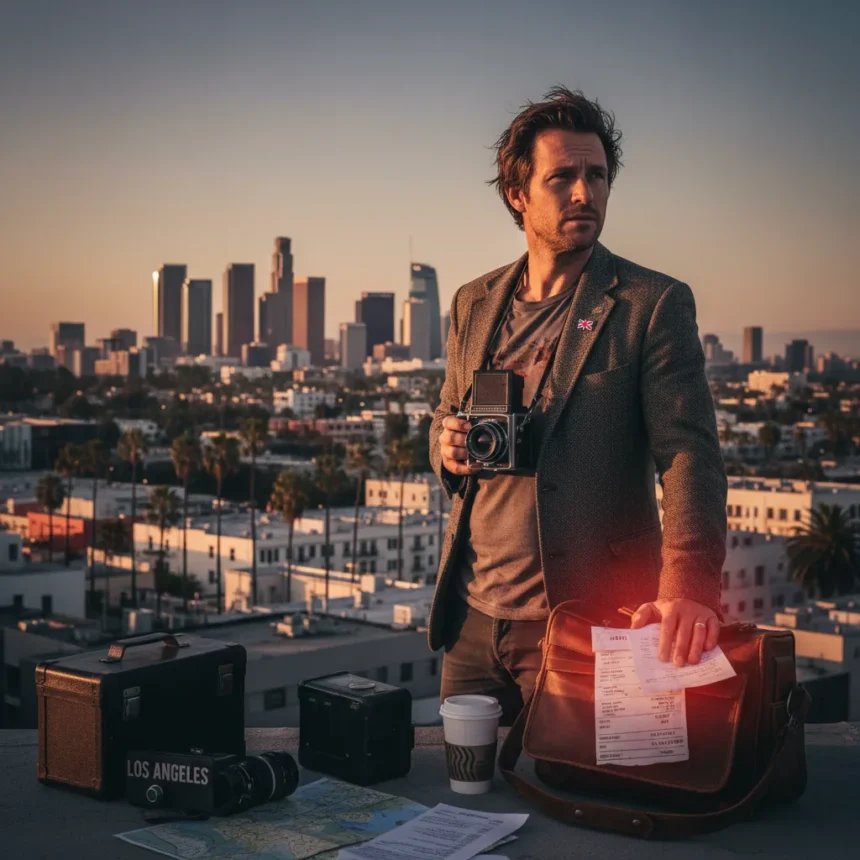
A photographer career breakthrough rarely happens overnight, and one British photographer’s experience in Los Angeles proves just how much is really at stake when an artist bets everything on making it in a competitive market.
Key Takeaways
- A British photographer relocated to LA with a three-year deadline to establish a sustainable career.
- The photographer’s story reveals the financial pressures and emotional toll of pursuing creative work in expensive markets.
- Success in photography requires not just technical skill but business acumen, networking, and persistence through lean periods.
- Geographic relocation for creative careers involves significant risk, with no guarantee of return on investment.
- The photographer’s experience illustrates why many creatives struggle with the business side of their craft.
The Three-Year Gamble: Setting a Deadline for Success
A photographer career breakthrough often depends less on talent than on timing, location, and sheer determination. This British photographer made a deliberate choice to relocate to Los Angeles with a specific constraint: three years to build a viable, income-generating photography practice or pivot to something else. That deadline was not arbitrary. It reflected a hard financial reality—the cost of living in LA, combined with the unpredictable income of freelance creative work, meant that an open-ended move was unsustainable. The photographer needed a concrete measure of progress or a clear exit point.
The decision to set a three-year window reveals something crucial about photographer career breakthrough attempts: they are not romantic pursuits divorced from economics. Every month in LA without sufficient income is a month of depleting savings, accumulating rent, and watching opportunities slip away. This photographer understood that ambiguity kills momentum. A deadline forces decisions, accelerates networking, and prevents the slow drift that derails so many creative relocations.
What Makes a Photographer Career Breakthrough Actually Happen
Technical skill alone does not guarantee a photographer career breakthrough in a market like Los Angeles. The city is saturated with talented photographers. What separates those who build sustainable practices from those who burn out is usually a combination of factors that rarely get discussed in photography education: client acquisition, pricing strategy, business infrastructure, and the ability to withstand rejection and financial uncertainty.

For this British photographer, the breakthrough required hustling in ways that photography school never taught. That meant cold outreach to potential clients, building a portfolio that resonated with LA’s specific market demands, understanding how to price work competitively without undervaluing it, and networking relentlessly. A photographer career breakthrough is as much about selling as it is about shooting. Many photographers resist this reality, viewing business development as somehow less pure than the creative work itself. That mindset is a liability.
The three-year timeline also forced strategic decisions about which types of photography to pursue. Rather than trying to be everything—wedding photographer, commercial photographer, fine art photographer, influencer content creator—this photographer likely had to narrow focus and become exceptional in a specific niche. Specialization is what turns a photographer career breakthrough from a distant possibility into a tangible goal.



The Real Cost of Pursuing a Photographer Career Breakthrough
Relocating to LA for a photographer career breakthrough is not just a financial decision—it is an emotional and social one. The photographer left behind a support network in Britain, traded familiar professional connections for the uncertainty of starting over, and bet on a city where success is visible but not guaranteed. That visibility cuts both ways. Seeing other photographers succeed can be motivating, but it can also be demoralizing if your own progress stalls.
The three-year window also reflects the psychological toll of creative careers. Without a deadline, the grind becomes endless. With one, there is at least a point at which you can evaluate whether the sacrifice is worth it. This photographer’s experience suggests that many creatives need permission to quit—or permission to commit fully. The middle ground of indefinite struggle is unsustainable.
Why Geographic Relocation Remains Essential for Some Creatives
Despite the risks, some photographer career breakthrough opportunities genuinely require being in specific cities. Los Angeles, New York, London, and a handful of other creative hubs concentrate clients, collaborators, and opportunities in ways that remote work or smaller markets cannot replicate. For commercial photography, advertising work, and entertainment industry connections, geography still matters enormously. This British photographer’s choice to move to LA rather than attempt a photographer career breakthrough from London or a smaller UK city reflects this reality.
However, the calculation has changed since the pandemic. Remote collaboration is now normal. Digital portfolios reach global audiences. Some photographers have built successful practices without ever relocating. This British photographer’s three-year gamble was a bet that LA-based connections and in-person networking would accelerate the photographer career breakthrough enough to justify the cost and risk. Whether that bet paid off is less important than understanding why it seemed necessary in the first place.



What This Story Reveals About Creative Career Planning
The most instructive part of this photographer’s story is not the outcome but the approach. By setting a three-year deadline, the photographer imposed clarity on an inherently uncertain situation. Most creative careers lack this kind of strategic planning. Photographers often drift, hoping that talent will eventually attract clients and opportunities. This photographer’s deliberate timeline suggests a more businesslike approach to creative work—one that treats a photography practice as a startup that needs to reach sustainability within a defined period.
That mindset is rare among creatives. Most photographers are drawn to the art, not the business. But a photographer career breakthrough requires both. The technical skills, the artistic vision, and the business discipline all have to align. Miss any one element, and the timeline collapses.
Is relocating to LA necessary for a photography career breakthrough?
Not universally, but for certain types of photography—commercial, advertising, entertainment—geography still matters. A photographer career breakthrough in these fields is significantly easier in LA, New York, or London than in smaller markets. However, fine art, editorial, and niche commercial photography can succeed remotely with strong digital presence and networking.
How long does a photographer career breakthrough typically take?
There is no universal timeline, but this photographer’s three-year window reflects a realistic assessment for someone relocating to a new market. Building a client base, establishing reputation, and reaching sustainable income usually requires a minimum of 18-24 months, often longer depending on the niche and market conditions.
What separates photographers who achieve a career breakthrough from those who don’t?
Persistence, strategic focus, business acumen, and willingness to hustle beyond the camera. Technical skill is table stakes. The photographer career breakthrough belongs to those who also excel at client acquisition, pricing strategy, and networking while maintaining the discipline to evaluate progress against clear metrics.
This British photographer’s three-year gamble illustrates a truth that applies to all creative careers: ambition without structure is just expensive hope. The photographer career breakthrough requires both the talent to create exceptional work and the discipline to build a sustainable business around it. That combination is rarer than raw artistic ability, which is why so many talented creatives never achieve the breakthrough they deserve.
Edited by the All Things Geek team.
Source: Creativebloq