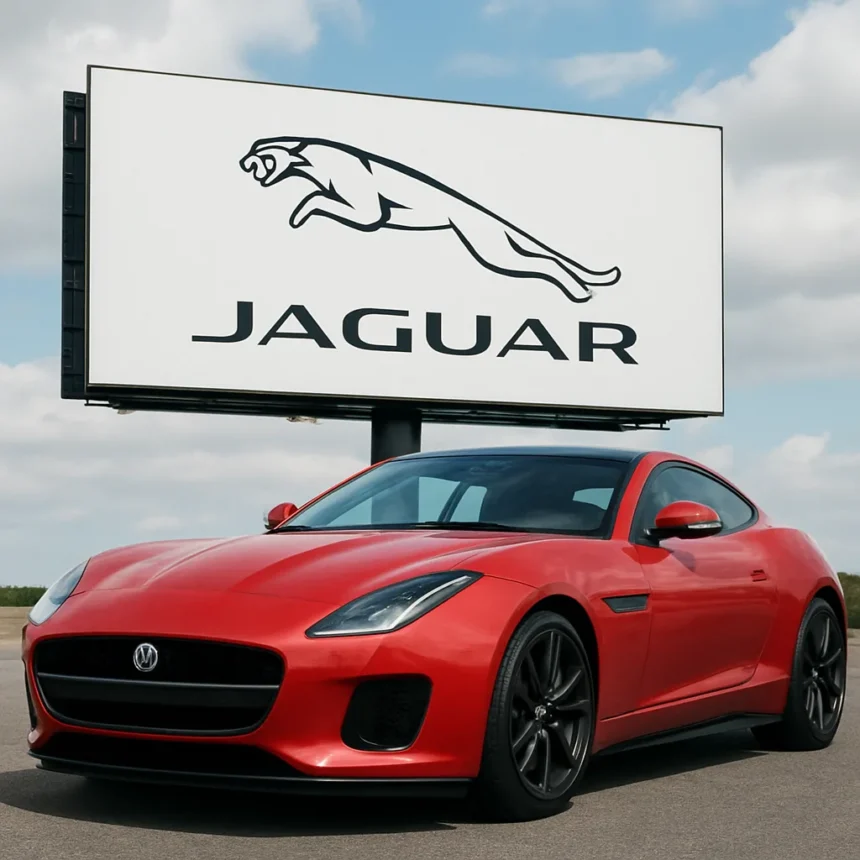
Failed brand rebrands refer to identity overhauls that alienate existing customers without successfully attracting new ones. Jaguar’s 2024 rebrand has become one of the most discussed cases of this phenomenon, drawing widespread criticism for abandoning the brand’s core automotive identity in favour of abstract, fashion-forward imagery that left loyal customers bewildered.
TL;DR: Jaguar’s rebrand is a textbook example of what happens when a company discards its heritage without a credible replacement. The core question — should brands double down on a failed rebrand or reverse course — has no universal answer, but the Jaguar case offers some hard lessons about what happens when you alienate your base without winning a new one.
What Makes Failed Brand Rebrands So Costly
Failed brand rebrands are costly not just financially but strategically, because they create a trust vacuum. When a brand’s new identity fails to resonate, it doesn’t simply return to neutral — it actively damages the equity built over decades. Jaguar’s rebrand erased the brand’s association with powerful, heritage-rich British motoring and replaced it with imagery that many observers described as disconnected from any product reality.
The Jaguar case is instructive precisely because the rebrand wasn’t subtle. The brand dropped its leaping cat logo in favour of a new visual identity and launched a campaign featuring no cars whatsoever — just abstract visuals and a new typeface. The internet’s reaction was swift and largely merciless. Critics pointed out that Jaguar had alienated its existing customer base while offering nothing concrete to attract a new one. A rebrand without a product story is just a logo change, and logo changes alone don’t move markets.

What separates a bold rebrand from a reckless one is usually sequencing. Successful identity shifts — think of how legacy brands have pivoted into new categories — tend to bring customers along by anchoring the new vision to something tangible: a new product, a new market position, a demonstrable shift in what the company actually does. Jaguar showed the new face before showing the new car, and that sequencing error compounded every other problem.
Should Brands Commit to Failed Brand Rebrands or Reverse Course?
The honest answer is that committing to a failed rebrand is only viable if the underlying strategy is sound and the execution — not the direction — was the problem. If the core repositioning makes genuine market sense, a brand can survive a rocky launch by following up with strong product or service delivery. If the strategy itself is flawed, doubling down accelerates the damage rather than containing it.



Jaguar’s situation is complicated by the fact that the brand is also transitioning to electric vehicles, which means the rebrand isn’t purely cosmetic — it’s meant to signal a fundamental shift in the company’s future. That context matters. A brand repositioning ahead of a genuine product transformation has more justification for disruption than one that changes aesthetics for their own sake. The problem is that Jaguar communicated the aesthetic change loudly while the product transformation remained largely invisible to consumers at launch.
History offers cautionary examples on both sides. Some brands that reversed high-profile rebrands — retreating to familiar logos and messaging — saw immediate goodwill recovery. Others that held their nerve through initial backlash eventually found their new identity accepted as the product range caught up. The difference almost always comes down to whether the new identity had a genuine product or service foundation underneath it.
Why Jaguar’s Rebrand Became a Case Study in Audience Alienation
Jaguar’s rebrand alienated its core audience by offering no continuity with the values — performance, heritage, British craftsmanship — that made the brand aspirational in the first place. The new visual language read as luxury fashion rather than automotive excellence, and for a brand whose buyers skew older and heritage-conscious, that disconnect was jarring rather than exciting.
The deeper issue is one of brand trust. Jaguar’s existing customers hadn’t asked for a reinvention — they’d asked for better reliability and competitive electric options. A rebrand that ignores those specific concerns in favour of abstract repositioning signals to loyal customers that the brand is no longer speaking to them. That’s a dangerous position for any company, but especially for a premium automotive brand where purchase decisions are deeply emotional and long-term relationships matter.



Analysts who examined the campaign noted that the absence of any car in the launch materials was a strategic miscalculation that no amount of creative ambition could justify. A car brand that launches a campaign without a car is betting entirely on intrigue — and intrigue has a very short shelf life when it isn’t followed immediately by something worth being intrigued about.
Is Jaguar’s rebrand a complete failure?
It’s too early to call it a complete failure, since Jaguar’s electric vehicle lineup hasn’t fully launched yet. The rebrand’s success will ultimately be judged by whether the new products justify the new identity. If the cars are genuinely exceptional, the controversy may fade. If they underwhelm, the rebrand will be remembered as the moment Jaguar lost its way.
What should brands do when a rebrand gets a bad reception?
Brands facing a poor rebrand reception should first diagnose whether the problem is strategic or executional. If the underlying repositioning is sound, staying the course while improving communication is often the right call. If the strategy itself is misaligned with what customers actually value, a faster course correction limits the long-term damage. Waiting too long to acknowledge a strategic mistake is usually more costly than admitting it early.
How can a brand rebrand without alienating loyal customers?
Successful rebrands typically anchor new visual identities to tangible product or service changes, communicate the reason for change clearly, and sequence the rollout so that existing customers feel included rather than discarded. Showing customers what’s new before explaining why it’s better is almost always a mistake — the product story should lead, with the identity refresh following as confirmation.
Failed brand rebrands don’t have to be permanent failures, but they do require honest diagnosis. Jaguar’s situation will play out over the next few years as its electric vehicles reach market — and that’s the real test. A great car can redeem a clumsy campaign. A weak one can’t be saved by even the most confident brand pivot. The lesson isn’t that rebrands are dangerous; it’s that rebrands without product substance are just expensive noise.
Edited by the All Things Geek team.
Source: Creativebloq