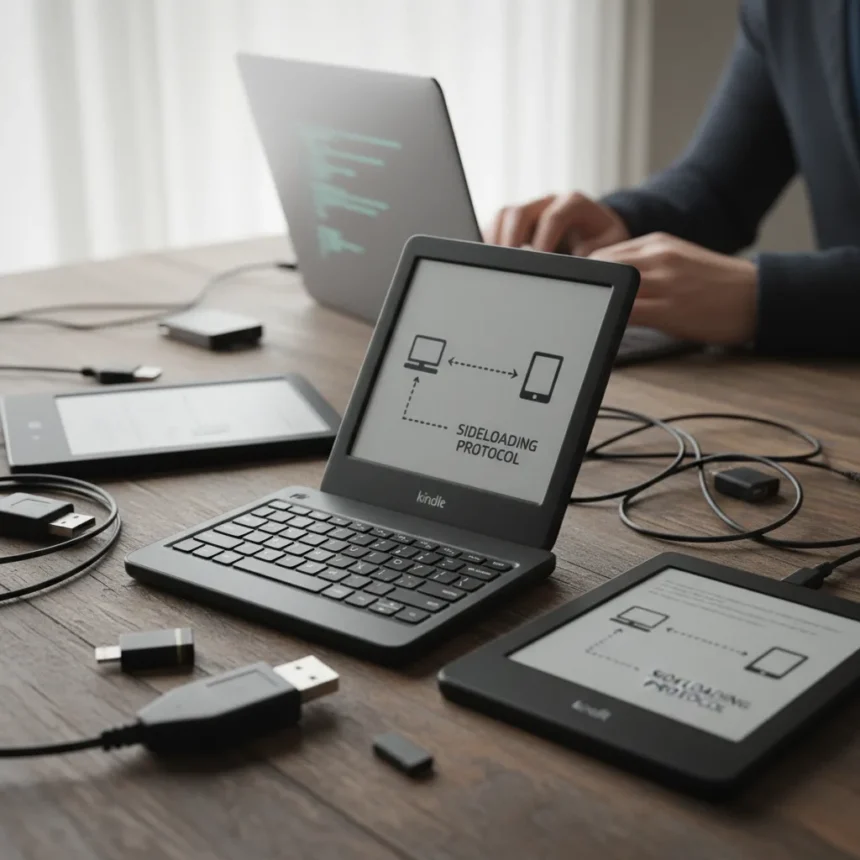
Kindle device discontinuation is hitting older e-reader owners hard. Amazon officially announced it will end support for Kindle devices manufactured before 2012 on May 20, 2026, cutting off access to new e-book purchases and cloud synchronization for millions of users with still-functional hardware. The decision has sparked frustration across tech communities, but it has not stopped determined readers from keeping their devices alive through alternative methods.
Key Takeaways
- Amazon ends support for all pre-2012 Kindle models on May 20, 2026
- Affected devices lose access to new e-book purchases and cloud sync features
- Users are bypassing restrictions through sideloading e-books directly onto devices
- Community forums and tech sites are sharing workarounds for legacy Kindle hardware
- Owners argue functional devices should not be forced into obsolescence
Why Amazon is discontinuing support for older Kindle devices
Amazon has not provided a detailed public explanation for the sunset date, but the company typically phases out older hardware to focus engineering resources on current models and push users toward newer devices with updated features. Legacy Kindle devices rely on outdated software architectures and security protocols that become increasingly difficult to maintain as cloud infrastructure evolves. The May 20, 2026 cutoff gives owners roughly 18 months to transition, though many see this as insufficient notice for devices that have remained reliable for over a decade.
The discontinuation affects a broad range of older models, and users are expressing frustration on multiple platforms about being locked out of content they legally purchased. Some owners have owned their Kindles for more than ten years and see no reason to replace hardware that still powers on and displays text. The core tension is simple: Amazon is treating functional devices as obsolete, not because they are broken, but because they no longer fit the company’s business model.
Sideloading emerges as the primary workaround
Rather than accept the cutoff, tech-savvy Kindle owners are turning to sideloading—transferring e-books directly onto devices without using Amazon’s cloud infrastructure. This method bypasses the May 2026 deadline entirely, allowing users to continue reading on their existing hardware indefinitely. Community forums and tech discussion sites have become hubs for sharing sideloading techniques, with experienced users documenting step-by-step processes for others.

Sideloading works because older Kindle devices still function as basic e-readers; they can display files transferred via USB connection. Users download e-books in compatible formats (typically MOBI or AZW) from sources like Project Gutenberg or their own digital libraries, then copy them directly to the device’s storage. The process requires minimal technical knowledge but does eliminate the convenience of wireless delivery and cloud synchronization that made Kindles attractive in the first place.
Amazon’s own support forums have seen threads where users ask about content purchased before 2012 no longer being available for sync. The company has not blocked sideloading on these devices, likely because doing so would require firmware updates that are no longer being issued. This unintended loophole has become the lifeline for owners unwilling to upgrade.



Community resistance and the broader device obsolescence problem
The Kindle discontinuation has ignited broader conversations about electronic waste and planned obsolescence in consumer tech. Owners point out that e-readers are among the longest-lasting consumer devices—many pre-2012 Kindles have outlasted multiple smartphone generations and remain fully functional. Forcing these devices into retirement when they still work contradicts environmental sustainability messaging that tech companies increasingly promote.
Tech communities are rallying around sideloading not just as a technical solution, but as a statement. Users see it as reclaiming ownership of hardware they purchased outright. The fact that sideloading remains viable demonstrates that the devices themselves are not the problem; Amazon’s decision to cut off cloud services is what makes them appear obsolete. This distinction matters to owners who feel they are being punished for holding onto reliable technology.
What this means for Kindle owners with pre-2012 devices
Owners of affected Kindle models face a choice: upgrade to a current device, accept the loss of wireless delivery and cloud sync, or learn sideloading. For casual readers, the sideloading route is straightforward. For heavy Amazon ecosystem users who rely on Whispersync and wireless purchases, the transition is more disruptive. Some owners are exploring alternative e-readers entirely, viewing Amazon’s discontinuation as a reason to diversify away from a single vendor.
The May 20, 2026 date is not a hard shutdown—devices will not suddenly stop working. Instead, they will lose the ability to purchase new content through Amazon and sync across devices. Existing libraries already on the device will remain readable. This distinction is important: owners are not facing bricked hardware, but rather a loss of services that made the devices convenient.



Does sideloading work on all pre-2012 Kindle models?
Sideloading works on most pre-2012 Kindles, though compatibility depends on the specific model and its file system. First-generation and second-generation Kindles, as well as Kindle DX and Kindle Keyboard models, generally support USB file transfer. Older Kindle devices have simpler operating systems that do not restrict file transfers the way newer models do, making them ideal candidates for sideloading workarounds.
Can I still read books I already purchased after May 2026?
Books already downloaded to your device will remain readable indefinitely after May 20, 2026. The cutoff affects new purchases and cloud synchronization, not content already stored locally on the e-reader. However, you will not be able to access your Amazon library remotely or download new titles wirelessly, making sideloading the primary method for adding new content to the device.
Are there legal alternatives to sideloading?
Yes. Users can purchase DRM-free e-books from retailers like Tor.com, Smashwords, or Project Gutenberg, which can be sideloaded legally without restriction. Many independent publishers and authors distribute DRM-free titles specifically to avoid vendor lock-in. Additionally, owners can convert their own e-books to compatible formats using free tools, though this is more technical than simple sideloading.
Amazon’s decision to discontinue support for pre-2012 Kindle devices reveals the tension between corporate service models and consumer ownership rights. While the company has every right to sunset old infrastructure, owners are proving that functional hardware should not be treated as waste. Sideloading may not be the convenient solution Amazon intended, but it is a powerful reminder that determined users will find ways to keep devices alive rather than accept planned obsolescence.
Edited by the All Things Geek team.
Source: TechRadar