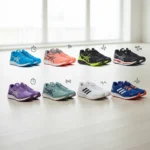
The best running shoes for beginners balance comfort, support, and affordability—three elements that make the difference between sticking with a new routine and abandoning it after two weeks. Whether you’re motivated by summer weather or finally ready to build a consistent running habit, the right footwear prevents common beginner pitfalls like blisters, poor arch support, and the discouragement that comes from an uncomfortable fit.
Key Takeaways
- Eight capable, affordable running shoes designed specifically for beginner runners entering their first season.
- Shoes selected for comfort, support, and summer breathability to help new runners build consistency.
- Emphasis on accessible entry-level models that avoid common beginner mistakes like inadequate cushioning or poor fit.
- All recommendations focus on versatility for mixed-terrain running and varied fitness levels.
- Affordable pricing makes these options ideal for testing your commitment before investing in premium gear.
Why beginners need shoes built for their stage
New runners often make the mistake of buying whatever looks good or copying a friend’s choice. The best running shoes for beginners, by contrast, are designed around the specific stresses and learning curves that entry-level athletes face. Beginners typically strike the ground harder than experienced runners, need more cushioning to absorb impact, and benefit from shoes with forgiving geometry that accommodates imperfect form.
Shoes marketed as all-rounders for beginners prioritize these features over speed or racing performance. They offer enough support to prevent injury during the critical first months when your body is adapting to the impact of running. Summer running adds another consideration: breathability matters when you’re building endurance in warm weather and dealing with moisture from sweat and humidity.
What makes these 8 shoes stand out for summer starters
The eight running shoes recommended for beginners share core characteristics that distinguish them from generic athletic footwear. Each model emphasizes comfort over minimalism, provides reliable arch support without excessive structure, and uses breathable materials suitable for warm-weather running. These shoes are described as capable all-rounders—meaning they perform adequately on pavement, light trails, and varied surfaces without specializing in any single terrain.

Affordability is the other defining trait. These models represent entry points into quality running footwear without the premium pricing of brand flagships or specialized racing shoes. For someone starting out, an affordable shoe reduces the psychological pressure to justify the investment through consistent use, making it easier to build the habit first and upgrade later.
The selection avoids shoes that require a break-in period or demand perfect form to feel comfortable. Beginners need gear that works immediately, not equipment that punishes learning curves. Shoes with generous toe boxes, soft cushioning, and forgiving midsoles suit the beginner’s need for tolerance and confidence during those early runs.



Building your beginner running routine with the right shoes
Starting a running habit requires removing friction from the process. Uncomfortable shoes create friction—they give you a reason to skip a run, to choose a different activity, or to quit altogether. The best running shoes for beginners eliminate that excuse by delivering comfort on day one and maintaining it through weeks of increasing mileage.
Consistency matters more than speed or distance when you’re new to running. A shoe that feels good for three miles straight will keep you motivated to run three times a week. Over eight weeks, that consistency builds aerobic fitness, strengthens your legs and joints, and creates a genuine habit. Premium shoes optimized for speed won’t help if they sit unused because they hurt your feet.
Summer timing adds urgency. Warmer weather naturally motivates outdoor activity, and the longer daylight hours make it easier to fit runs into your schedule. Starting now means you’ll hit peak fitness by autumn, when cooler temperatures make longer distances feel easier. The shoes you choose now become the foundation of that momentum.
How these shoes compare to generic athletic footwear
Generic athletic shoes—the kind sold at mass-market retailers without running-specific engineering—typically lack the cushioning and support that running demands. They’re built for walking, casual wear, and light activity, not the repetitive impact of running. A beginner wearing generic shoes experiences more foot fatigue, higher blister risk, and greater joint stress.



Running-specific shoes, even affordable ones, incorporate technology that generic footwear skips: midsole materials engineered to absorb impact, outsole patterns designed for running gait, and upper designs that accommodate the foot’s natural motion during running. These features cost more to engineer, but the best running shoes for beginners deliver them at accessible price points by eliminating unnecessary features that only appeal to advanced runners.
Frequently asked questions
What should I look for when buying running shoes as a beginner?
Prioritize comfort and fit over brand or appearance. Your shoe should feel good immediately—no painful break-in period. Look for adequate cushioning in the heel and midfoot, a supportive arch, and a toe box with enough room to wiggle your toes. Visit a running specialty store if possible; staff can observe your gait and recommend shoes suited to your running style.
How often should beginners replace running shoes?
Most running shoes last between 300 and 500 miles before the cushioning degrades enough to affect comfort and injury risk. For a beginner running three times per week at three to five miles per session, that typically means replacing shoes every four to six months. Track your mileage and replace them when you notice reduced cushioning or increased foot soreness.
Can I use the same shoes for running and everyday wear?
Running shoes can work for casual daily wear, but doing so accelerates wear and reduces their lifespan. If you want your shoes to last through 400+ miles of running, reserve them for that purpose. Wearing them only for running extends their life and ensures the cushioning remains fresh when you need it most.
Starting a running routine this summer is achievable with the right foundation. The best running shoes for beginners remove barriers to consistency, protect your body during the adaptation phase, and prove that quality gear doesn’t require a premium investment. Pick a shoe that feels comfortable, commit to three runs per week, and let the habit build from there. By autumn, you’ll wonder why you waited so long to start.
Where to Buy
SauconyRide 19$144.95shop now | 20% OFFReebokNano X5 $119.95$150shop now
Edited by the All Things Geek team.
Source: TechRadar